How Packaging Buyers Avoid Excess Packaging Inventory
Most packaging discussions focus on shortages. Not having enough packaging is an obvious problem. However, carrying too much packaging can create challenges as well. We've worked with companies that experienced: warehouses filled with unused packaging, obsolete seasonal materials, outdated branded packaging, and excess inventory tied up in discontinued products. Interestingly, excess inventory often develops gradually. A few extra orders each year may not seem significant. Over time, however, those decisions can create expensive inventory management problems.
TL;DR
Most packaging discussions focus on shortages. Not having enough packaging is an obvious problem.
Why Excess Packaging Inventory Happens
In most cases, excess inventory isn't caused by poor purchasing decisions. It is caused by uncertainty. Buyers often order extra packaging because they want to avoid shortages. This is understandable.
Running out of packaging can disrupt operations. The challenge is finding the right balance between protection and efficiency.
A Common Scenario
A company launches a new product line. Demand forecasts are optimistic. To avoid supply risks, extra packaging inventory is purchased. Sales perform reasonably well, but not as expected.
Months later, the company still holds a large amount of unused packaging stock. The problem wasn't production. The problem was that packaging purchases were based on assumptions that never fully materialized.
Why Custom Packaging Creates Additional Risks
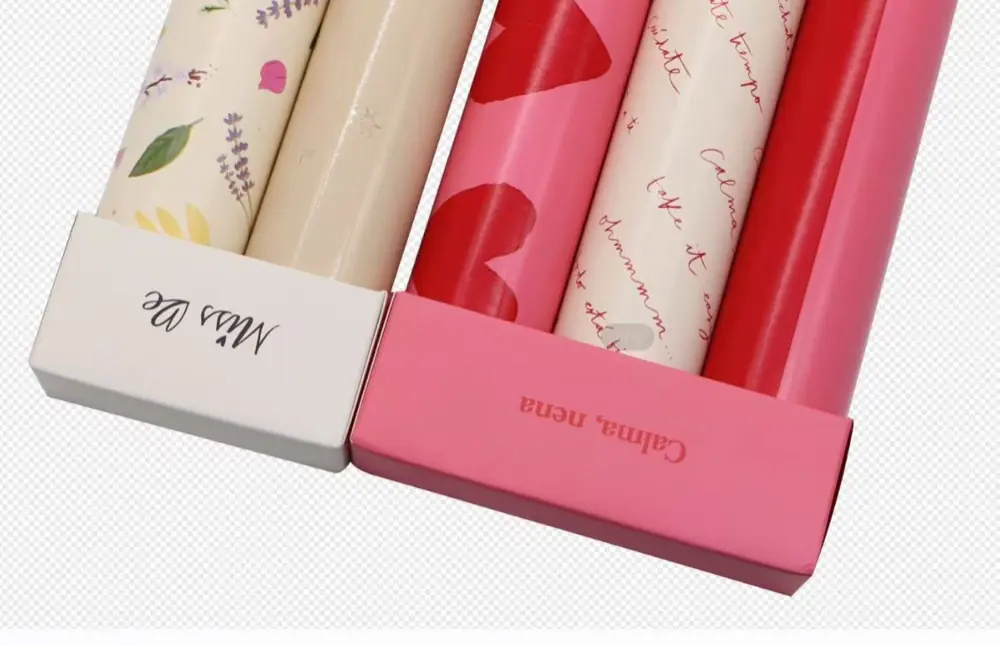
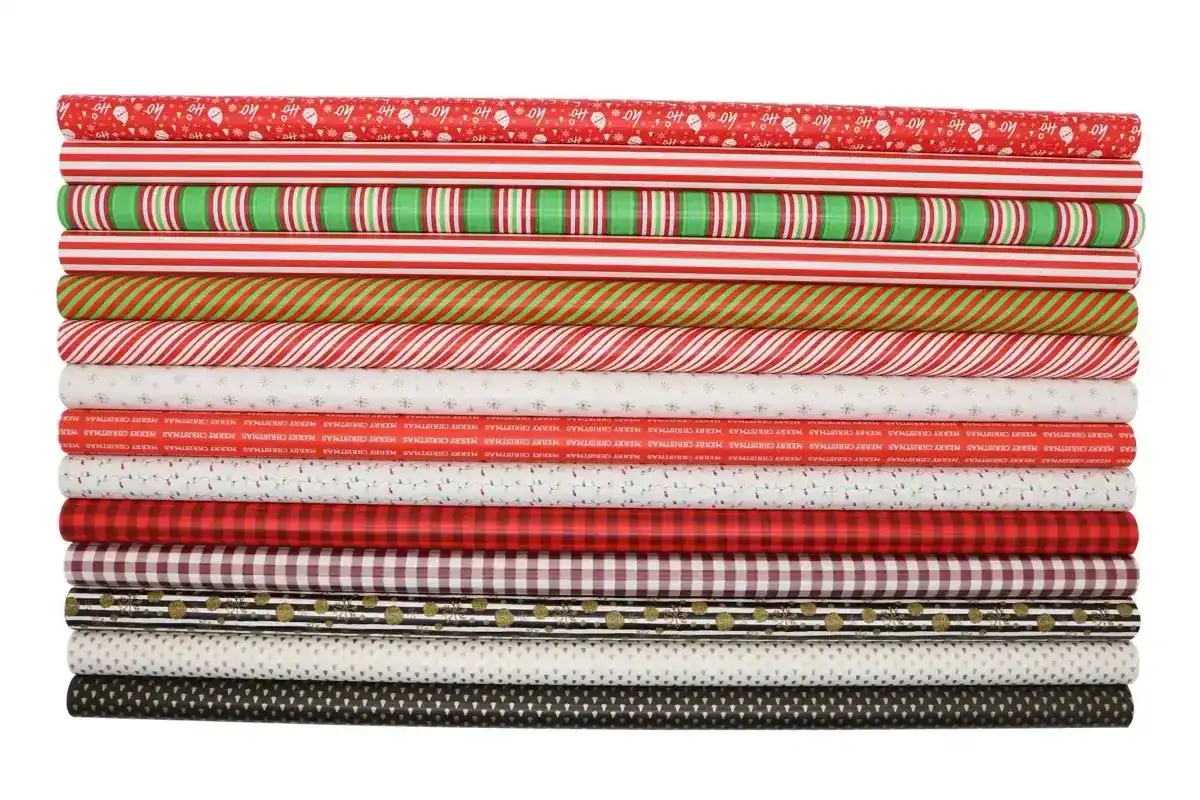
Custom packaging paper often carries more inventory risk than standard materials. Examples include printed wrapping paper, branded tissue paper, seasonal packaging, and campaign-specific designs. The more specialized the packaging becomes, the harder it may be to use inventory elsewhere. This is one reason inventory planning is especially important for custom packaging programs.
Product Changes Can Create Obsolete Packaging
One challenge many businesses face is change. Over time, companies may update logos, brand colors, packaging designs, and product lines. When these changes occur, existing packaging inventory may no longer align with current branding. The larger the inventory position, the greater the potential impact.
This is why long-term packaging planning often includes discussions about future design changes.
Why Forecasting Matters
The most effective way to reduce excess inventory is improving visibility into future demand. Questions worth reviewing include: Are sales growing or slowing? Are product changes planned? Are new packaging designs being developed?
Are seasonal programs expected? Better forecasts do not eliminate uncertainty, but they often reduce it significantly.
Inventory Reviews Should Happen Regularly
Some companies review packaging inventory only when problems appear. Successful buyers usually review inventory much more frequently. Typical questions include: Which materials move quickly? Which items have not been used recently?
Which products have excessive stock levels? Which packaging specifications may become obsolete? Regular reviews help identify trends before inventory becomes difficult to manage.
The Benefits Of Packaging Standardization
One trend we've discussed with many customers is packaging standardization. When appropriate, standardization may help reduce SKU counts, improve inventory flexibility, simplify forecasting, and reduce storage requirements. This does not mean eliminating all packaging variations. It simply means reducing unnecessary complexity where possible.
Why Marketing And Procurement Should Communicate
Excess packaging inventory often results from disconnected planning. For example: marketing develops a new campaign. Procurement purchases packaging based on an older forecast. Sales expectations change.
Inventory levels no longer align with actual demand. The most effective packaging programs typically involve communication between marketing teams, procurement teams, operations teams, and suppliers.
What Experienced Buyers Usually Monitor
Many experienced packaging buyers track: inventory age — how long has the packaging been in storage? Usage rates — how quickly is inventory being consumed? Future launch plans — will packaging remain relevant? Stock coverage — how many months of packaging inventory are currently available?
These metrics provide valuable visibility for decision-making.
Common Inventory Management Mistakes
In working with buyers, we've observed several recurring inventory management mistakes.
Purchasing Too Far Ahead - Long-term inventory positions increase risk when demand changes.
Keeping Low-Usage SKUs Forever - Some packaging variations may no longer justify ongoing inventory.
Reviewing Inventory Too Infrequently - Delayed visibility often leads to delayed action.
What We Have Learned From Packaging Projects
One lesson appears repeatedly. The companies with the healthiest packaging inventory are not necessarily the companies with the smallest inventories. They are the companies with the best visibility. They understand what they have, what they use, and what they will likely need next.
That visibility supports more effective purchasing decisions.
Our Approach At Wise Packaging
At Wise Packaging, inventory discussions often go beyond the current order. We frequently discuss forecast demand, packaging life cycles, product launch schedules, and future packaging changes — because inventory decisions today can affect packaging flexibility for months or even years. In our experience, the best inventory strategies balance supply security with operational flexibility. As a Packaging Paper Supplier, we help buyers optimize their inventory levels.
Conclusion
Avoiding excess packaging inventory is about more than buying less. It requires better forecasting, clearer communication, regular inventory reviews, and an understanding of future business plans. The most successful buyers do not focus solely on preventing shortages. They also focus on preventing unnecessary stock accumulation.
When inventory remains aligned with actual demand, packaging programs become easier to manage and more efficient over the long term.
Frequently Asked Questions
Why do companies end up with excess packaging inventory?
Common causes include inaccurate forecasts, changing demand, product updates, and over-ordering to avoid shortages.
How can businesses reduce excess packaging stock?
Improve forecasting, review inventory regularly, and align purchasing decisions with future business plans.
Does custom packaging increase inventory risk?
Yes. Specialized packaging is often more difficult to repurpose if demand changes.
How often should packaging inventory be reviewed?
Many buyers monitor inventory regularly rather than waiting until a problem develops.
Can packaging standardization help reduce inventory?
Yes. Standardization may improve flexibility and simplify inventory management.
What is the biggest inventory management mistake?
Purchasing packaging based on outdated assumptions without reviewing current demand and future plans.
Need help sourcing the right paper?
Reviewing your packaging inventory levels? Contact us to discuss better planning strategies.
Sales Manager at WiseInco · 15+ years in packaging paper industry
Helping global brands source FSC-certified gift wrapping, tissue, kraft, and greaseproof paper from our 50,000 m² factory in Dongguan, China. 5,000+ containers exported to 30+ countries annually.