Why Minimalist Gift Wrapping Paper Designs Are Becoming More Popular
Several years ago, many custom gift wrapping paper projects focused on making the design stand out as much as possible. Customers often requested large graphics, multiple colors, detailed illustrations, and complex patterns. Today, we are seeing something different. Many brands are moving toward simpler wrapping paper designs. Instead of asking how much can be added to the design, they are asking: How much can we remove while still maintaining a strong brand identity? From a manufacturer's perspective, this shift has become increasingly noticeable across retail packaging, luxury packaging, e-commerce packaging, and corporate gifting projects.
TL;DR
Several years ago, many custom gift wrapping paper projects focused on making the design stand out as much as possible. Customers often requested large graphics, multiple colors, detailed illustrations, and complex patterns.
Minimalist Does Not Mean Plain
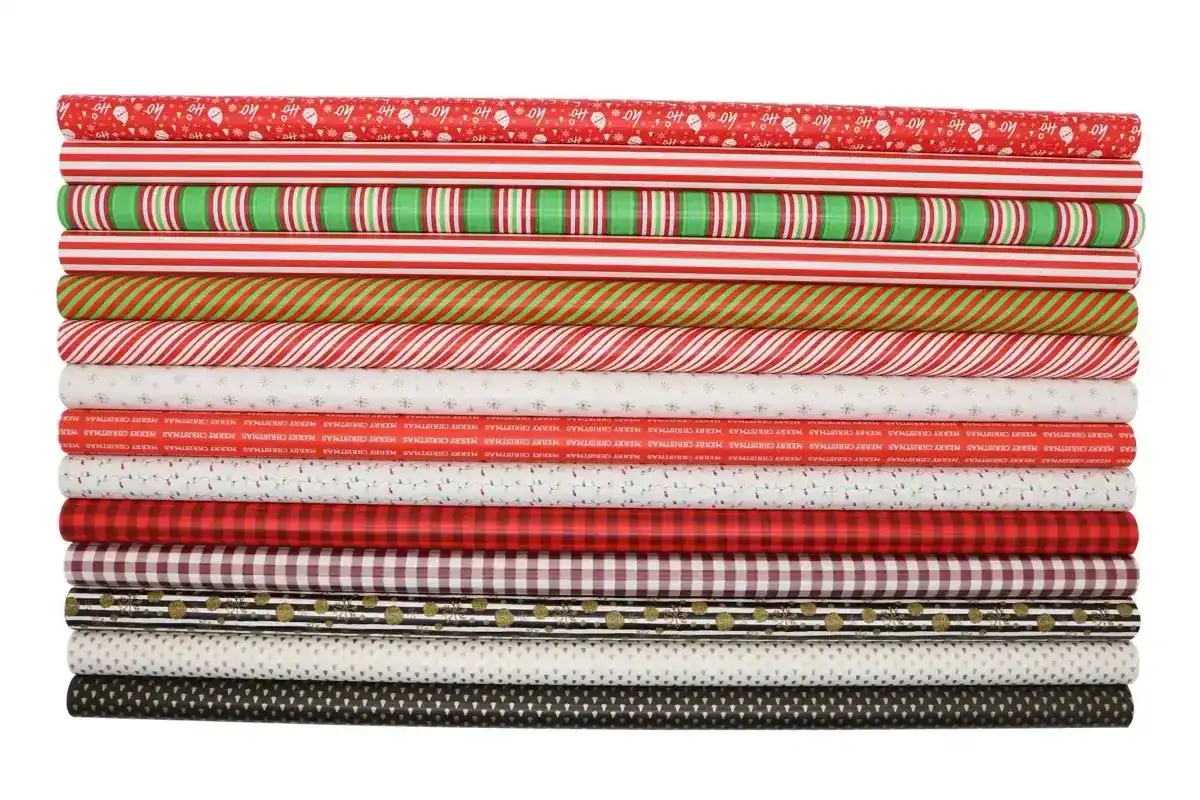
One misconception is that minimalist packaging means boring packaging. In reality, many minimalist designs still have strong visual impact. The difference is that the focus is often placed on brand colors, typography, logo placement, and pattern consistency rather than decorative complexity. The packaging remains recognizable without relying on large amounts of artwork.
Why Brands Are Choosing Simpler Designs
When we discuss wrapping paper with customers, several reasons appear repeatedly. Better brand recognition — a simple design is often easier to recognize. Customers may remember a specific logo pattern, a signature color, or a consistent wrapping style more easily than a highly detailed illustration. Greater flexibility — many companies use the same wrapping paper across multiple product categories, different seasons, and various marketing campaigns.
Simpler designs tend to adapt more easily. Longer design lifespan — complex campaign-driven artwork can feel outdated quickly. Minimalist wrapping paper often remains relevant for much longer.
A Project Pattern We See Frequently
A customer develops several wrapping paper concepts. The initial favorites are usually the most visually impressive. They contain large illustrations, seasonal themes, and detailed graphics. The simpler concepts often receive less attention.
Several months later, after reviewing actual packaging applications, the customer frequently chooses the simpler version. Why? Because it works across a wider range of products and packaging formats. The design may attract less attention during a presentation, but it performs better in everyday use.
Why Luxury Brands Often Prefer Minimalism
Luxury packaging has influenced wrapping paper trends significantly. Many premium brands focus on consistency, restraint, and simplicity. Instead of relying on busy graphics, they often emphasize high-quality materials, color consistency, clean layouts, and subtle branding. This approach helps create a sophisticated appearance without overwhelming the product itself.
Repeating Logo Patterns Remain Popular
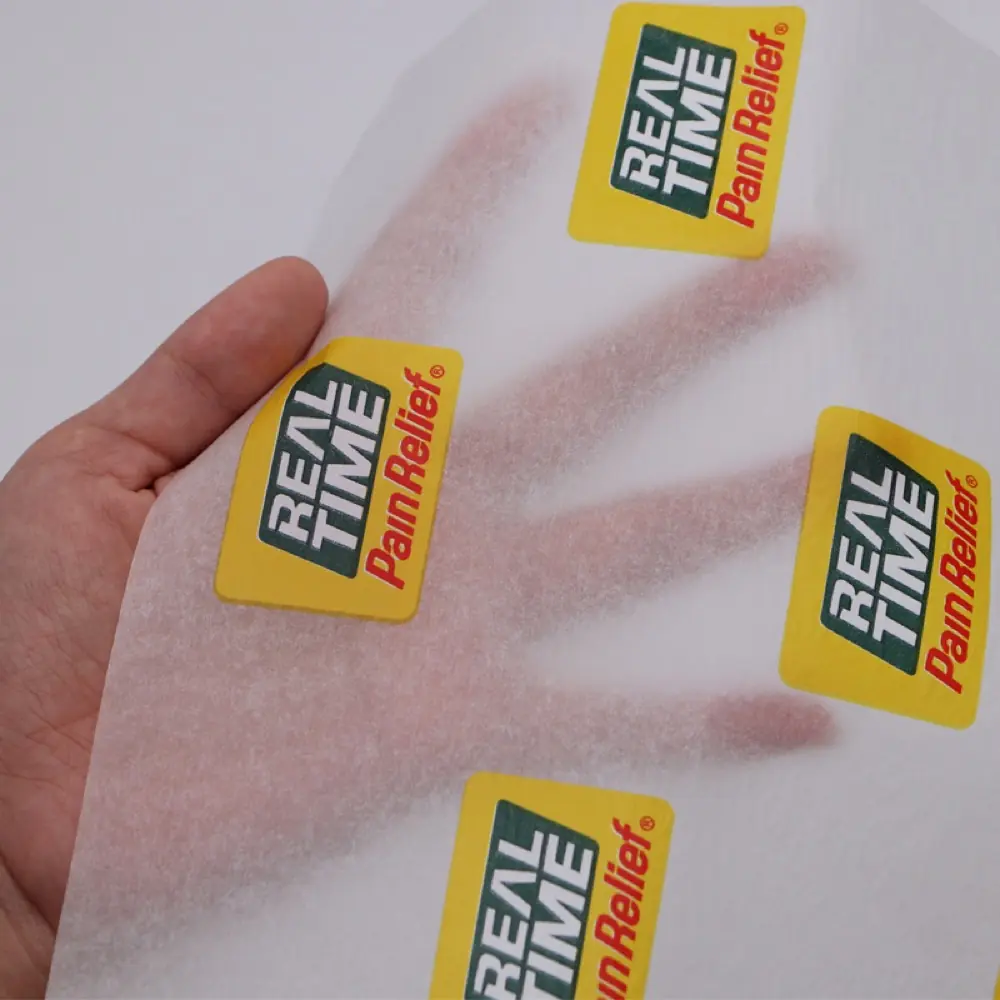
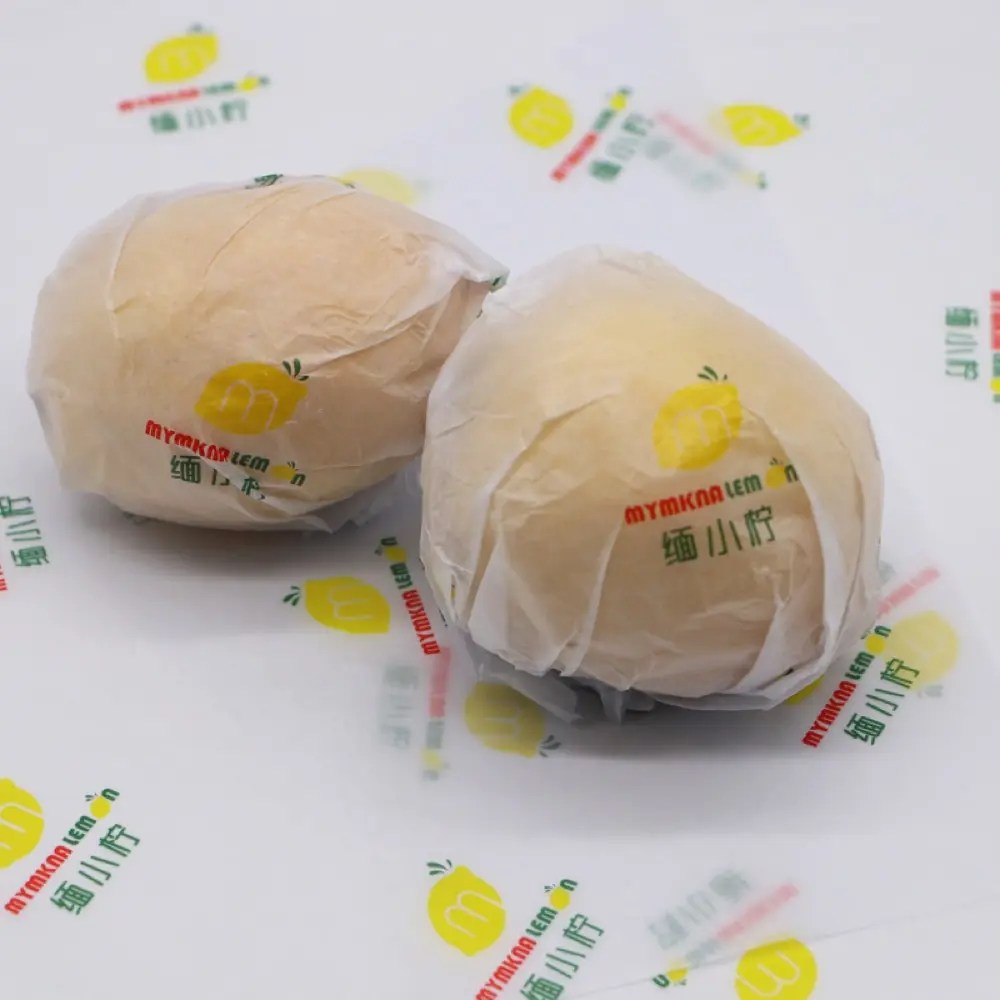
One of the most common minimalist approaches is the repeating logo pattern. We've produced many wrapping paper programs using small logo repeats, tonal patterns, and simple geometric designs. The reason is straightforward. These patterns often provide brand visibility — customers recognize the brand immediately.
Packaging flexibility — the paper works across different product categories. Consistent presentation — the appearance remains recognizable even when wrapped in different ways.
The Influence Of Social Media
Social media has changed how packaging is viewed. Today, packaging is often photographed and shared online. Interestingly, simple wrapping paper designs frequently perform well in these situations. They help highlight the product, the brand logo, and the overall presentation without competing for attention.
Many brands have become more conscious of how packaging appears in customer-generated content.
Why Minimalist Designs Are Easier To Maintain
From a production perspective, simpler designs often support better long-term consistency. For example: fewer colors may simplify color management. Simpler layouts may reduce artwork revisions. Consistent branding elements are easier to reproduce over time.
This helps support repeat orders and long-term packaging programs.
Common Mistakes When Creating Minimalist Wrapping Paper
In working with brands, we've observed several recurring mistakes.
Removing Too Much - A design still needs a recognizable identity.
Ignoring Brand Elements - Simple packaging still requires strong branding.
Following Trends Without Strategy - Minimalism works best when it aligns with the overall brand image.
Forgetting Real-World Use - Wrapping paper needs to look good when folded, cut, and wrapped around products.
What We Have Learned From Wrapping Paper Projects
After producing many custom gift wrapping paper orders, one observation appears frequently. The most successful designs are not always the most complicated. In fact, many of the designs that continue generating repeat orders year after year are surprisingly simple. They focus on a few core visual elements and use them consistently.
That consistency often creates stronger brand recognition than complexity.
Our Approach At Wise Packaging
At Wise Packaging, wrapping paper discussions often begin with artwork but quickly move toward functionality. We usually ask: How long will this design be used? Will it support multiple product lines? Is it seasonal or evergreen?
What should customers remember about the brand? The answers often help determine whether a minimalist approach makes sense for the project. In many cases, the strongest packaging solution is not the most elaborate one. It is the one that remains effective year after year.
Minimalist gift wrapping paper designs are becoming more popular because they offer something many brands value: consistency. By focusing on simplicity, flexibility, and recognizable branding, these designs often remain effective across multiple products and multiple years. From what we've seen in packaging projects, minimalist wrapping paper is not a passing trend. For many brands, it has become a practical long-term packaging strategy.
Frequently Asked Questions
What is minimalist gift wrapping paper?
Minimalist gift wrapping paper typically uses simple patterns, limited colors, and clean branding elements instead of complex graphics.
Why are brands using simpler wrapping paper designs?
Many brands value better recognition, greater flexibility, and longer design lifespans.
Are minimalist wrapping paper designs suitable for luxury brands?
Yes. Many premium brands use minimalist designs to create a clean and sophisticated presentation.
What is the most common minimalist wrapping paper style?
Sales Manager at WiseInco · 15+ years in packaging paper industry
Helping global brands source FSC-certified gift wrapping, tissue, kraft, and greaseproof paper from our 50,000 m² factory in Dongguan, China. 5,000+ containers exported to 30+ countries annually.