How Custom Printed Paper Is Made: A Manufacturer's Guide to Quality Packaging Solutions
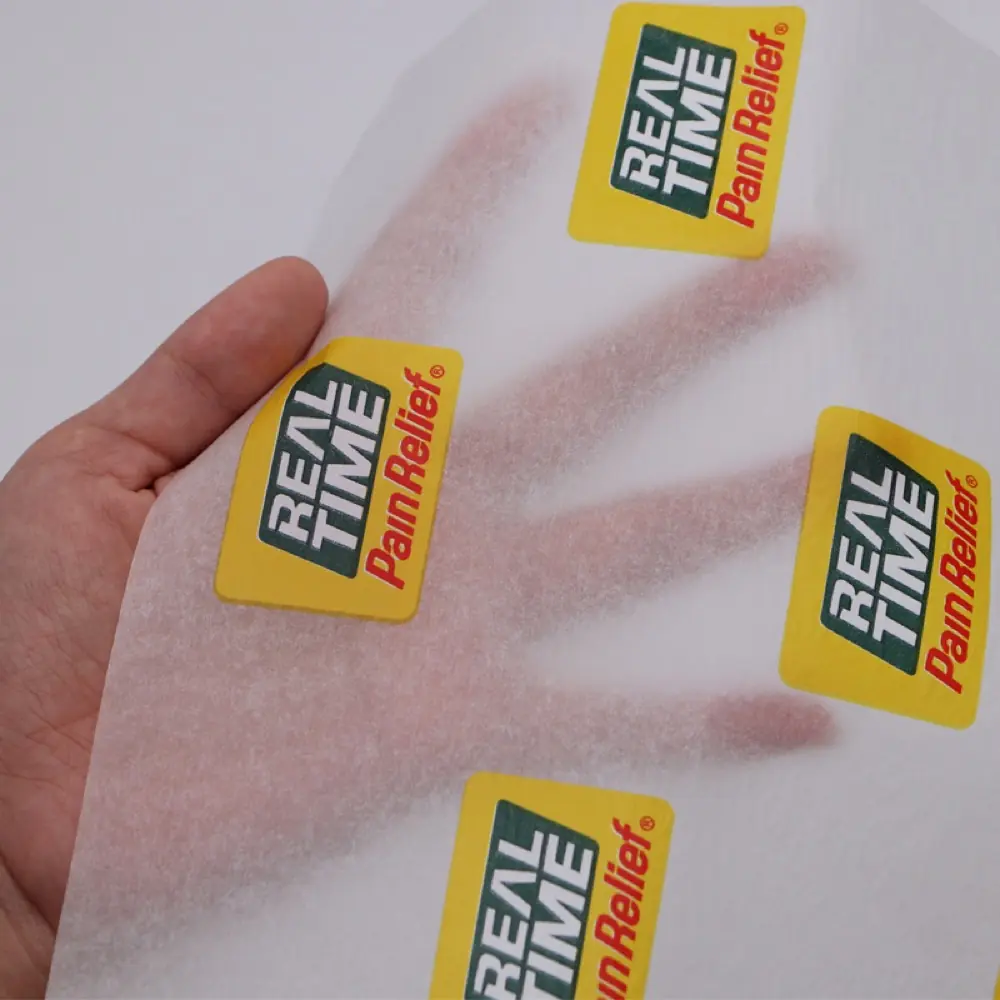
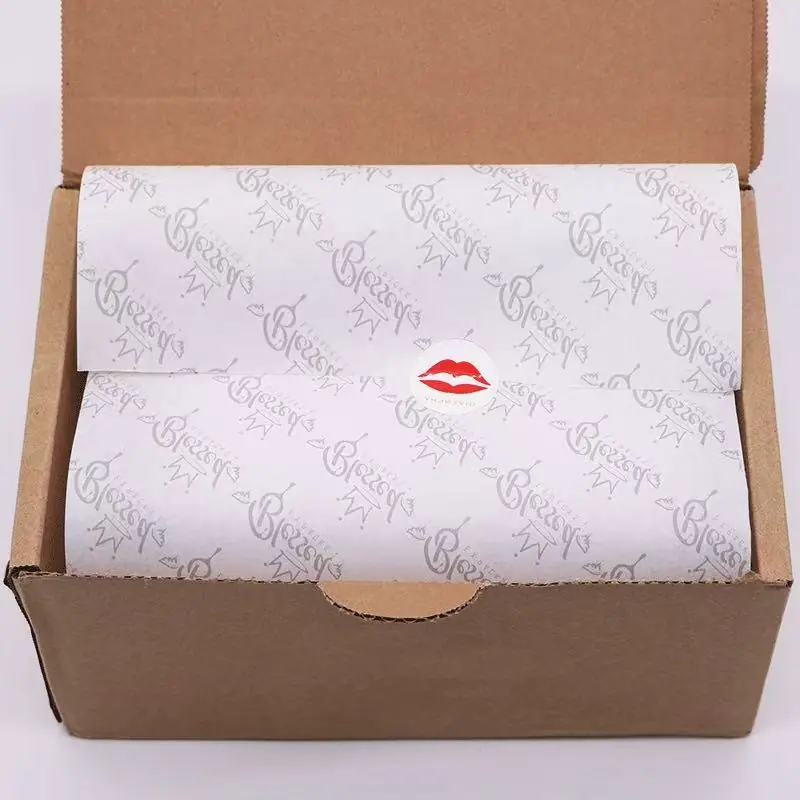
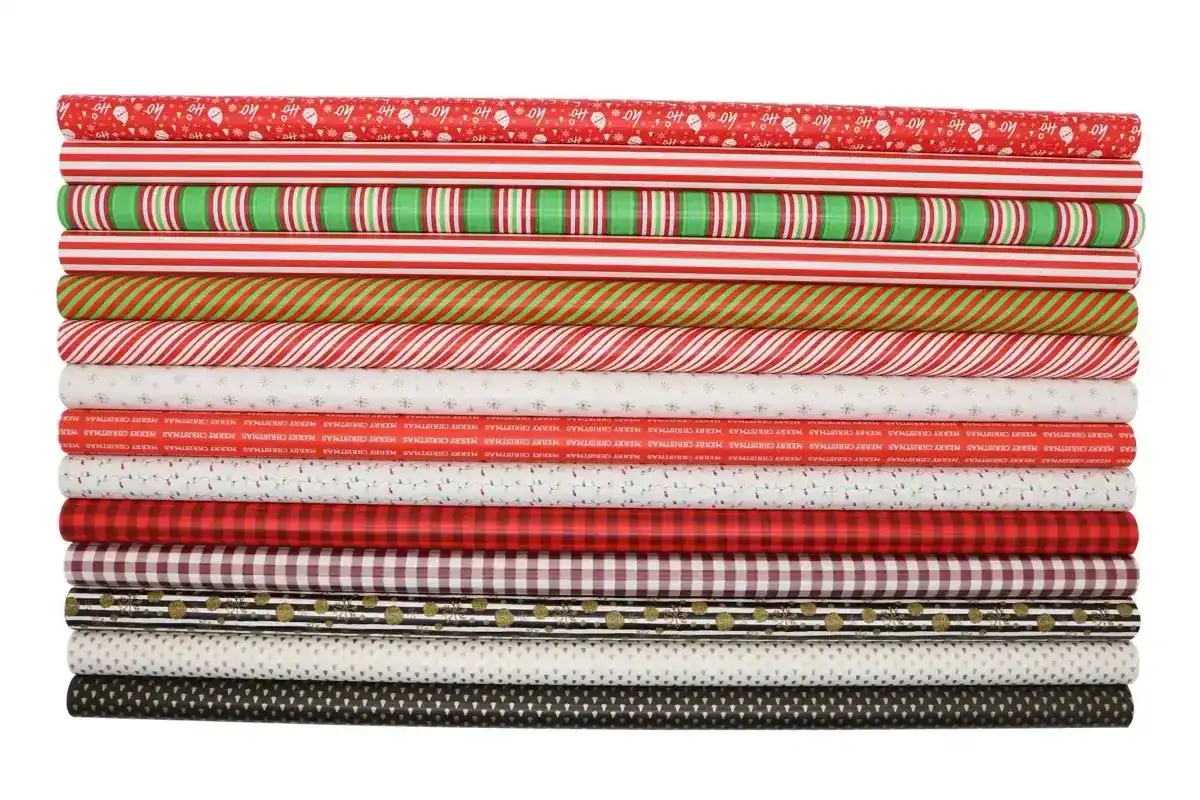
Custom printed paper has become a key important branding tools in modern packaging. Whether used for gift wrapping, luxury retail, e-commerce, or seasonal promotions, customized paper helps businesses create memorable customer experiences while reinforcing brand identity. From a manufacturer's perspective, successful custom paper production involves much more than printing a logo onto paper — material selection, printing technology, color management, quality control, and finishing all contribute to the final result. Last year, our Dongguan factory fulfilled over 2,000 custom printing orders for clients across 30+ countries, from 500-ream boutique runs to million-sheet bulk productions. In this guide, we'll walk through each stage of production and explain what businesses should know before placing an order.
TL;DR
Custom printed paper has become a key important branding tools in modern packaging. Whether used for gift wrapping, luxury retail, e-commerce, or seasonal promotions, customized paper helps businesses create memorable customer experiences while reinforcing brand identity.
Why Custom Printed Paper Has Become a Powerful Branding Tool
Today's consumers interact with thousands of products and marketing messages every day. As competition increases, brands are looking for ways to stand out without dramatically increasing marketing budgets. Custom printed paper strengthens brand recognition, creates premium presentation, enhances the customer experience, supports seasonal campaigns, and improves unboxing experiences. Unlike traditional advertising, packaging is viewed directly by customers at the moment they receive a product — making it an effective branding touchpoint available.
From our factory floor: We recently ran a 50,000-sheet order for a German cosmetics brand that required five Pantone matches across two paper substrates. The gravure cylinder engraving alone took 36 hours — but the client approved the first proof with zero revisions. That's the kind of precision you get when the printing team has 15+ years running the same presses.
Step 1: Defining the Packaging Objective
Every successful custom paper project begins with a clear objective. Before production starts, manufacturers typically work with customers to determine the product application: is the paper being used for gift wrapping, tissue paper, retail packaging, e-commerce packaging, or luxury products? Different applications require different paper specifications. The intended market and brand positioning influence every production decision — we've seen the same design perform brilliantly on coated paper and look dull on uncoated stock, simply because the material wasn't matched to the application.
Step 2: Selecting the Appropriate Paper Material
A critical stage is material selection. The choice of paper affects appearance, print quality, durability, sustainability, and cost. Coated paper offers excellent print clarity, bright color reproduction, and a smooth surface texture — it is commonly used for premium gift wrapping paper. Kraft paper remains a top choice for environmentally conscious brands, with natural appearance, recyclability, and strong durability.
We produce FSC-certified kraft from 50 to 120 gsm in our Dongguan facility, currently our fastest-growing category. Premium projects sometimes require specialty options like textured paper, pearl paper, or embossed paper for distinctive packaging experiences.
Step 3: Creating the Artwork and Print Design
After material selection, the design phase begins. Packaging buyers generally provide logos, brand colors, patterns, and marketing graphics. Professional manufacturers review artwork before production to ensure accurate color reproduction, proper resolution, and print compatibility. Many production issues originate during the artwork stage — a logo sized at 72 DPI that looked fine on screen will appear pixelated at full printing scale.
We provide free design review for every order and flag issues before a single sheet hits the press.
Step 4: Color Matching and Proofing
One of the biggest challenges in custom printing is color consistency. Brands invest significant resources in creating visual identities, making color accuracy critical. At our factory, we use Pantone color systems with spectrophotometer verification, maintaining a Delta E below 2.0 across production batches. The workflow is: digital proof → client approval → physical press sample → final confirmation → bulk production.
This process becomes particularly important for global brands that require consistent packaging across multiple markets — one fashion client we serve distributes identical packaging in 12 countries, and color deviation across batches would be immediately noticeable to their customers.
Step 5: Printing the Paper
Printing technology plays a major role in production quality, and different projects require different methods. Gravure printing is commonly used for large production runs, high-quality image reproduction, and consistent color performance — this remains our go-to for large-scale gift wrapping paper production. Flexographic printing offers cost efficiency, fast production speeds, and reliable performance for large quantities. Offset printing is often selected for detailed graphics, high-resolution images, and premium visual presentation.
The best method depends on volume, design complexity, and budget requirements — we typically recommend gravure for orders above 5,000 sheets and flexo for solid-color repeating patterns.
Step 6: Quality Control During Production
Professional manufacturers implement quality control procedures throughout production. At our facility, every production run passes through three inspection gates: pre-press artwork verification, mid-run random sampling (every 50 sheets checked for registration and color consistency), and final roll inspection before packing. Key inspection points include print consistency (ensuring uniform colors across the production run), registration accuracy (confirming design elements align correctly), surface quality (checking for defects, scratches, or contamination), and paper performance (testing durability, thickness, and appearance). Maintaining strict quality standards reduces waste while ensuring customer satisfaction — our defect rate across all custom orders stays under 0.3%.
Step 7: Finishing and Converting
After printing, additional finishing processes may be applied. Depending on customer requirements, we provide sheet cutting (converting large paper rolls into finished sheet sizes), roll packaging (preparing wrapping paper rolls for retail distribution), and protective packaging (ensuring products arrive safely during transit). We can cut to any standard sheet size from A4 up to 700 × 1000 mm, and our export packing includes moisture-proof wrapping, corner protectors, and pallet strapping for ocean freight.
Sustainability Considerations in Modern Paper Manufacturing
Environmental responsibility is becoming increasingly important throughout the packaging industry. Many packaging buyers now prioritize recyclable materials, FSC-certified paper, reduced waste production, and eco-friendly inks. As a result, manufacturers are investing in sustainable material options while maintaining high print quality and visual appeal. At Wise Packaging, we offer water-based inks across all printing lines, FSC chain-of-custody certification, and recycled kraft options — all produced in a facility that has reduced water consumption by 30% over the past 5 years through closed-loop treatment systems.
Why Businesses Work Directly with a Packaging Paper Manufacturer
Many buyers choose to work directly with manufacturers rather than intermediaries. At Wise Packaging's 50,000 m² Dongguan facility, clients can visit production lines, review print samples on-site during factory tours, and receive direct pricing without distributor markups — typically saving 15-25% compared to sourcing through trading companies. Direct manufacturer relationships also provide better cost control, greater customization flexibility, faster problem resolution, and production transparency. These benefits become increasingly important for companies with large or recurring packaging requirements.
What Packaging Buyers Should Ask Before Ordering
Before selecting a supplier, businesses should ask: What materials are available? Which printing methods are recommended for my design? What are the minimum order quantities? (At our factory, custom printing starts from 500 sheets for flexo and 3,000 for gravure.) How is quality controlled throughout production?
What sustainability options and certifications are available? Understanding these factors helps buyers make informed decisions and avoid surprises during production.
Why More Global Brands Work with Experienced Manufacturers
As packaging becomes more important to branding and customer experience, businesses increasingly seek partners that offer both manufacturing expertise and customization capabilities. Wise Packaging provides custom printed wrapping paper, tissue paper, and packaging paper solutions tailored to the needs of retailers, distributors, and brand owners around the world. This approach helps ensure that packaging not only protects products but also strengthens brand identity.
Frequently Asked Questions
How long does it take to make custom printed wrapping paper?
2-4 weeks from artwork approval to FOB shipment. The timeline includes engraving (1-2 days), printing (10–15 days), finishing, and QC.
What file formats do you accept for artwork?
AI, PDF, PSD, and EPS vector files are preferred. We can work with JPEG/PNG but vector files produce sharper results.
Can you match specific Pantone colors?
Yes. Our lab uses spectrophotometers to match Pantone colors to Delta E < 2.0 before production begins.
What printing methods do you use?
Gravure for high-volume, photo-quality prints; flexographic for cost-effective medium runs; offset for specialty applications.
Do you provide a sample before full production?
Yes. A pre-production sample is standard for all custom orders, allowing you to verify color, texture, and print quality.
Want custom-printed paper?
Share your artwork, size, and volume — we’ll handle printing, finishing, and delivery.
Sales Manager at WiseInco · 15+ years in packaging paper industry
Helping global brands source FSC-certified gift wrapping, tissue, kraft, and greaseproof paper from our 50,000 m² factory in Dongguan, China. 5,000+ containers exported to 30+ countries annually.