Is Wrapping Paper Recyclable? A Manufacturer's Perspective on Sustainable Packaging Solutions
"Is wrapping paper recyclable?" It sounds like a simple question, but the answer depends on what the paper is made of — and most people get it wrong. The answer is not always straightforward. From a manufacturer's perspective, recyclability depends on paper composition, coatings, printing methods, adhesives, and decorative finishes. As sustainability continues to influence purchasing decisions worldwide, we are seeing a significant increase in demand for recyclable wrapping paper. In 2025 alone, our Dongguan factory produced over 800 containers of FSC-certified recyclable wrapping paper for European and North American clients — and that volume is growing every quarter.
TL;DR
"Is wrapping paper recyclable?" It sounds like a simple question, but the answer depends on what the paper is made of — and most people get it wrong. The answer is not always straightforward.
Why Recyclability Matters in Modern Packaging
The global packaging industry is undergoing major changes. Consumers increasingly prefer brands that demonstrate environmental responsibility. For packaging buyers, recyclable wrapping paper can help improve brand image, meet sustainability goals, support ESG initiatives, reduce environmental impact, and align with changing regulations. Packaging is no longer viewed purely as a protective material — it has become an important part of a company's sustainability strategy.
As manufacturers, we frequently receive inquiries from customers looking to replace traditional decorative papers with recyclable alternatives.
The Short Answer: Some Wrapping Paper Is Recyclable, Some Is Not
Many people assume all paper products can be recycled. Unfortunately, this is not always true. The recyclability of wrapping paper depends largely on its material structure. Generally speaking, wrapping paper is recyclable when it contains paper fibers, water-based printing inks, no plastic lamination, no metallic foil layers, and no glitter coatings.
However, wrapping paper becomes difficult to recycle when additional decorative elements are introduced. In our factory, we classify every SKU by recyclability tier so buyers know exactly what they're getting before placing an order.
What Types of Wrapping Paper Are Usually Recyclable?
Standard Printed Paper
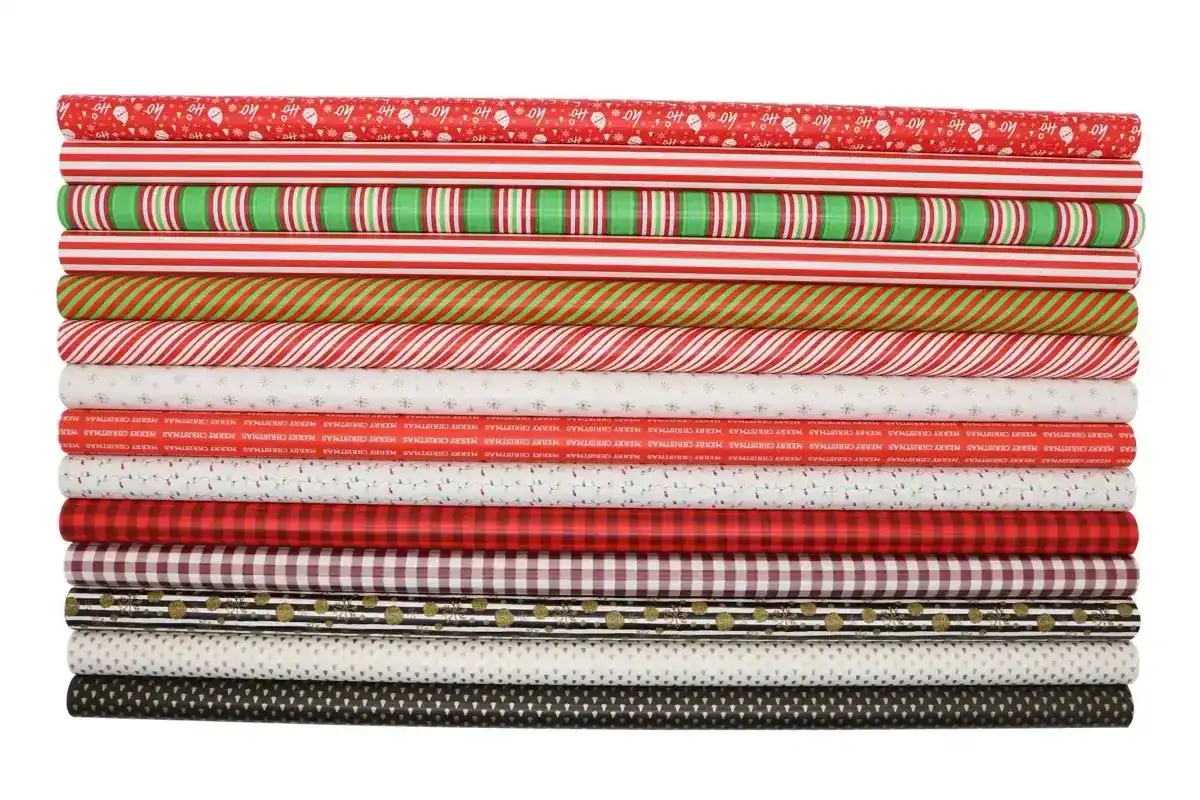
Most standard printed wrapping paper can enter normal paper recycling streams. These papers typically contain virgin pulp fibers, recycled fibers, and standard printing inks. They are often accepted by recycling facilities without special handling requirements.
Kraft Wrapping Paper
Kraft paper is widely considered an environmentally friendly options available. Natural fiber composition, high recyclability, biodegradability, and strong durability make it a preferred solution for sustainable packaging. We produce FSC-certified kraft wrapping paper from 50 to 120 gsm — it's consistently our fastest-growing product category, with year-over-year order volume up 35%.
FSC-Certified Gift Paper
FSC certification does not automatically guarantee recyclability, but it does help ensure responsible sourcing practices. Many brands choose FSC-certified papers because they support both environmental responsibility and premium packaging applications. Our FSC certification covers the full chain of custody from raw material to finished roll — some suppliers claim FSC status for their base paper only, which tells half the story.
According to the Forest Stewardship Council (FSC), responsible paper sourcing can reduce carbon footprints by up to 30% compared to non-certified sources. This aligns with the EPA's Sustainable Materials Management guidelines for packaging procurement.
What Types of Wrapping Paper May Not Be Recyclable?
From a manufacturing standpoint, several decorative treatments can complicate recycling. Foil stamped paper contains metallic foil layers that often interfere with standard recycling processes. Glitter wrapping paper frequently contains plastic particles that reduce recyclability. Laminated wrapping paper uses plastic-coated surfaces that improve durability but make recycling difficult.
Some premium gift papers combine multiple materials, creating challenges during fiber recovery. At Wise Packaging, we've eliminated all plastic-based glitter from our standard product catalog and now offer mineral-based biodegradable alternatives that achieve the same visual effect.
How Manufacturers Are Responding to Sustainability Demands
Over the last several years, packaging manufacturers have invested heavily in sustainable materials and production methods. At our 50,000 m² Dongguan facility, we've transitioned over 70% of our coating lines to water-based inks and eliminated single-use plastic from our packing workflow. The industry is shifting toward recyclable paper structures, water-based inks, plastic-free packaging, renewable raw materials, and lightweight paper solutions. Today's buyers increasingly evaluate material sourcing, carbon footprint, recyclability, and waste reduction — trends expected to continue as sustainability becomes a purchasing priority across industries.
How Brands Can Choose More Sustainable Wrapping Paper
When sourcing gift wrapping paper, businesses should ask suppliers several important questions: Is the paper recyclable? Request detailed material specifications. What printing inks are used? Water-based printing systems often provide environmental advantages.
Does the paper contain plastic coatings? Plastic layers may affect recyclability. Is the material responsibly sourced? Look for recognized certifications where appropriate.
A Manufacturer's Recommendations for Retailers and Brand Owners
Based on 15+ years of industry experience, the most practical approach to sustainable gift packaging balances three factors: sustainability (select recyclable materials whenever possible), brand presentation (packaging should still communicate quality and professionalism), and cost efficiency (the ideal solution delivers both environmental and commercial value). We recently helped a US subscription box company switch from laminated metallic paper to our FSC-certified kraft with water-based printing — their customers praised the eco-friendly shift, and the paper actually cost 8% less than their previous material. Many businesses mistakenly assume sustainable packaging means compromising on appearance. Modern paper manufacturing technologies now allow brands to achieve both premium aesthetics and improved environmental performance.
Why More Brands Are Moving Toward Recyclable Custom Wrapping Paper
Custom printed wrapping paper remains a valuable branding tool. Today's sustainable options allow businesses to combine brand visibility, packaging quality, and environmental responsibility. Wise Packaging is seeing increasing demand for recyclable custom wrapping paper from retail brands, e-commerce companies, luxury packaging buyers, and corporate gifting programs. This type of custom sustainable packaging allows companies to strengthen their branding efforts while supporting long-term environmental goals.
Future Trends in Sustainable Gift Wrapping Paper
Looking ahead, several trends are likely to shape the packaging industry. More brands are reducing plastic content and adopting plastic-free packaging. Water-based and low-impact inks continue gaining popularity for eco-friendly printing. Circular packaging systems designed for recovery and reuse are receiving greater attention.
Businesses increasingly want environmentally responsible solutions without sacrificing quality — and manufacturers that can deliver both sustainability and visual appeal are likely to gain competitive advantages.
EU PPWR Update: Where Recyclable Wrapping Paper Fits
The EU Packaging and Packaging Waste Regulation (PPWR), which began applying in 2025 with packaging-specific obligations phasing in through 2026-2027, puts recyclability and waste reduction at the center of compliance for EU-bound packaging. For buyers sourcing wrapping and decorative papers, it reinforces a direction the industry was already moving toward: prefer single-material, genuinely recyclable substrates over multi-material laminates that are difficult to sort.
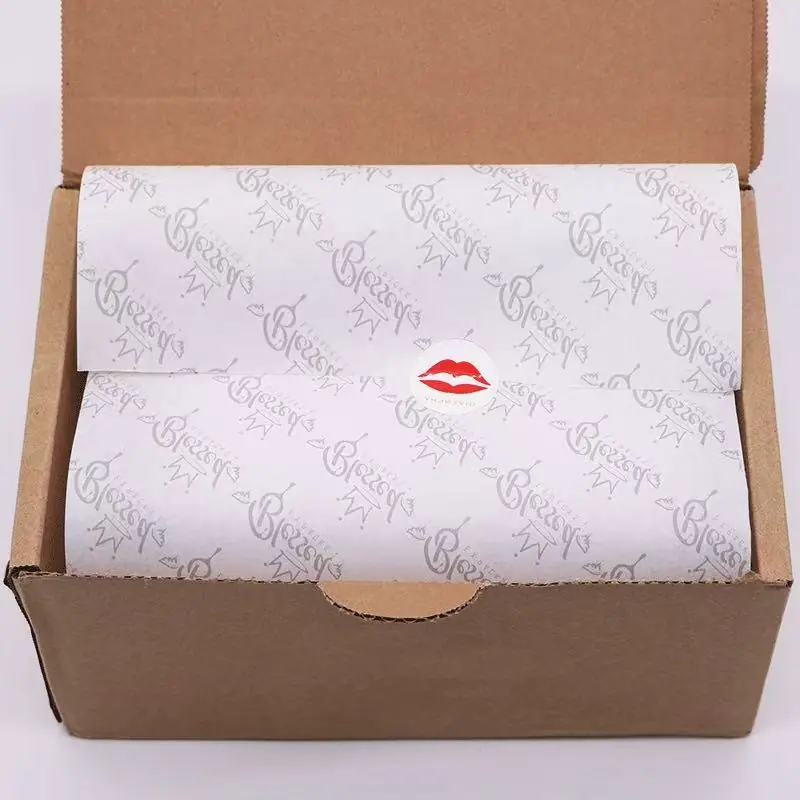
Plain paper grades - unlaminated kraft, tissue, and most uncoated wrapping papers - sit on the favorable side of that line because they are already accepted in mainstream paper recycling streams in most markets. The sheets that need closer scrutiny are those with metallic or foil treatments, heavy plastic lamination, or glitter, since those additions can pull a product out of the recyclable category.
In practice, when you request wrapping paper, ask the supplier for the material composition and confirm the sheet is single-material. If you need a decorative effect, ask whether a printed or embossed finish can replace a foil lamination. We provide material-composition details on request so you can confirm recyclability under your own market's rules - see our certifications and compliance documentation for the test reports and standards we can supply.
Frequently Asked Questions
Can all wrapping paper be recycled?
No. Coated, foil, glitter, and laminated papers cannot be recycled. Plain kraft, tissue, and uncoated printed papers can.
What certifications show a paper is eco-friendly?
FSC, SFI, and PEFC certifications verify responsible forest sourcing. ISO 14001 covers environmental management in manufacturing.
Is custom printed reusable paper available?
Yes. We produce custom printed paper on recyclable and FSC-certified stock using water-based inks.
Do eco-friendly papers look less premium?
Not necessarily. Modern recyclable papers can be produced with vibrant colors, smooth finishes, and custom prints.
What should I ask my supplier about sustainability?
Ask about FSC certification, ink type (water-based preferred), recyclability of their papers, and whether they offer plastic-free packaging.
Need custom gift wrapping paper?
Compare finishes, weights, and printing options across our full gift wrap range.
Sales Manager at WiseInco · 15+ years in packaging paper industry
Helping global brands source FSC-certified gift wrapping, tissue, kraft, and greaseproof paper from our 50,000 m² factory in Dongguan, China. 5,000+ containers exported to 30+ countries annually.