What Is Tissue Paper Used For? A Complete Guide for Retail, Gift, and Packaging Businesses
Tissue paper may appear to be one of the simplest materials in the packaging industry, but its impact on product presentation, customer experience, and brand perception is much greater than many businesses realize. From luxury fashion brands and jewelry retailers to subscription box companies and gift shops, tissue paper has become an essential packaging component — serving both practical and promotional purposes. In this guide, we'll explore what tissue paper is used for, why it remains important in modern packaging, and how businesses can use custom printed tissue paper to strengthen their brand image.
TL;DR
Tissue paper does four jobs: gift packaging and presentation, product protection, luxury retail wrapping, and e-commerce unboxing. The weight follows the job, with roughly 17 to 20 GSM for stuffing and light wrapping, 25 to 30 GSM for garment interleaving and shoe boxes, and 35 to 40 GSM for food wrapping and heavier use. Choose the application first, then the GSM.
What Is Tissue Paper?
Tissue paper is a lightweight paper product manufactured from paper pulp. It is typically soft, flexible, and available in various thicknesses, colors, and finishes. Unlike kraft paper or cardboard packaging, tissue paper is primarily designed for product presentation, surface protection, decorative packaging, and brand enhancement. Its lightweight nature makes it suitable for a wide range of industries without significantly increasing packaging costs.
1. Gift Packaging
A common use of tissue paper is gift wrapping. Gift shops and retailers often place tissue paper inside gift bags or boxes to create a premium appearance, conceal products elegantly, add color and visual appeal, and enhance the gifting experience. When customers receive beautifully wrapped products, they often associate the packaging quality with the quality of the product itself — a psychological effect that keeps tissue paper widely used in retail packaging worldwide.
2. Product Protection
Although tissue paper is lightweight, it helps protect products during storage and transportation. It is commonly used to wrap clothing, shoes, jewelry, watches, cosmetics, and glassware. Tissue paper helps prevent surface scratches, dust accumulation, minor abrasions, and fingerprints. For premium products, maintaining a pristine appearance is essential, making tissue paper an affordable protective solution.
3. Luxury Retail Packaging
Luxury brands understand that every detail contributes to customer perception. A branded tissue paper insert can significantly elevate the perceived value of products. Luxury packaging often combines custom tissue paper with rigid gift boxes, satin ribbons, and premium printing to create an experience that feels exclusive and memorable.
4. E-commerce Packaging
The growth of online shopping has transformed packaging requirements. Customers no longer interact with products in physical stores — their first physical brand experience often occurs when opening a delivered package. Custom tissue paper helps online brands create professional presentations, increase brand recognition, improve customer satisfaction, and encourage social media sharing. Many successful e-commerce brands use printed tissue paper to replace expensive packaging upgrades while still maintaining a premium image.
Why Custom Tissue Paper Is Becoming More Popular
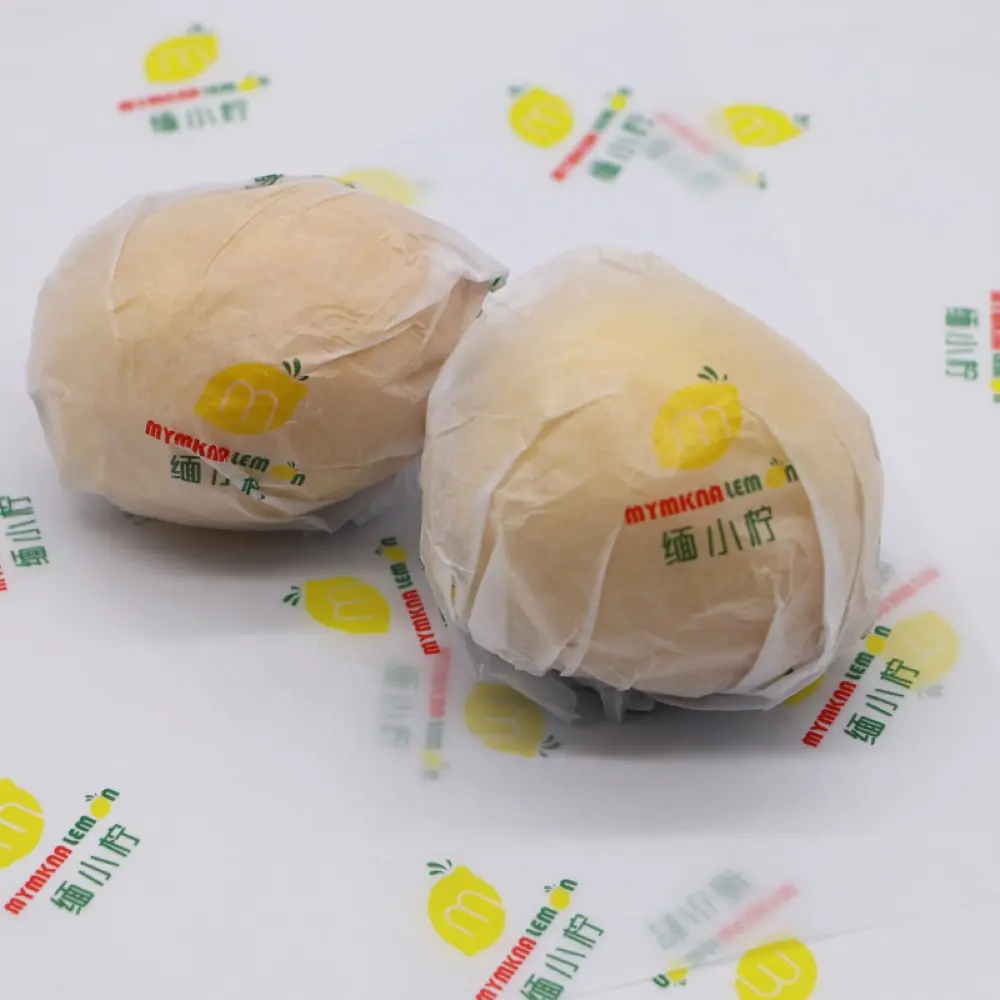
Today's consumers interact with hundreds of brands each day. Standing out requires more than simply delivering products safely — custom tissue paper allows businesses to create a recognizable visual identity. Common customization options include company logos, repeating brand patterns, promotional messages, seasonal graphics, and custom colors. Even a simple logo printed repeatedly across tissue paper can leave a lasting impression.
This is why branded tissue paper has become increasingly common among fashion brands, jewelry companies, cosmetics businesses, subscription boxes, and corporate gift suppliers.
How Tissue Paper Supports Branding
Packaging is often an overlooked form of marketing. Unlike digital advertising, packaging reaches customers at a highly emotional moment — the moment they receive their purchase. Custom tissue paper supports branding through consistency (using consistent colors and designs strengthens brand recognition), professionalism (well-designed packaging signals quality and attention to detail), and customer loyalty (premium packaging experiences create positive emotions that encourage repeat purchases). Attractive packaging is also more likely to appear in unboxing videos, Instagram posts, TikTok content, and customer reviews — generating additional organic exposure without increasing advertising costs.
Sustainability and Tissue Paper
Environmental concerns have become an important consideration for both consumers and businesses. Modern tissue paper can be manufactured using recycled fibers, FSC-certified materials, biodegradable paper pulp, and environmentally friendly inks. As sustainable packaging becomes increasingly important, businesses are seeking suppliers that can provide eco-friendly tissue paper solutions without sacrificing print quality or appearance. Companies such as Wise Packaging support global brands with customizable tissue paper products that combine functionality, visual appeal, and sustainability.
How to Choose the Right Tissue Paper Supplier
When selecting a supplier, businesses should evaluate several factors: quality consistency (color variation or printing defects can negatively affect branding), custom printing capability (look for suppliers that support advanced printing options and precise color matching), material options (a reliable supplier should offer standard, recycled, and FSC-certified tissue paper with custom colors), production capacity (growing businesses need suppliers capable of handling larger orders), and international shipping experience (for global brands, export expertise is often critical).
Future Trends in Tissue Paper Packaging
Several trends are shaping the future of tissue paper products. Demand for eco-friendly packaging continues to grow. Many brands are moving toward minimalist branding with simple and elegant packaging designs. Personalized packaging experiences are becoming increasingly important, and businesses continue investing in packaging elements that create memorable customer interactions.
These trends suggest that tissue paper will remain a valuable packaging component for years to come.
Frequently Asked Questions
What GSM tissue paper do I need?
17 to 20 gsm for stuffing and light wrapping where the product is pale; 22 to 30 gsm for garment interleaving and shoe boxes, which is the general-purpose band; 35 to 40 gsm where the sheet has to stay opaque over something dark, or where it wraps food. The failure at the light end is always show-through, never tearing.
Is tissue paper food-safe?
Only when it is made as a food-contact grade from virgin pulp and comes with a declaration of conformity: in the EU under Regulation (EC) 1935/2004, in the US under 21 CFR 176.180. Recycled-content tissue must not be used as the contact layer. Printing adds a second question, so specify low-migration ink and which face touches the food.
Can tissue paper be custom printed?
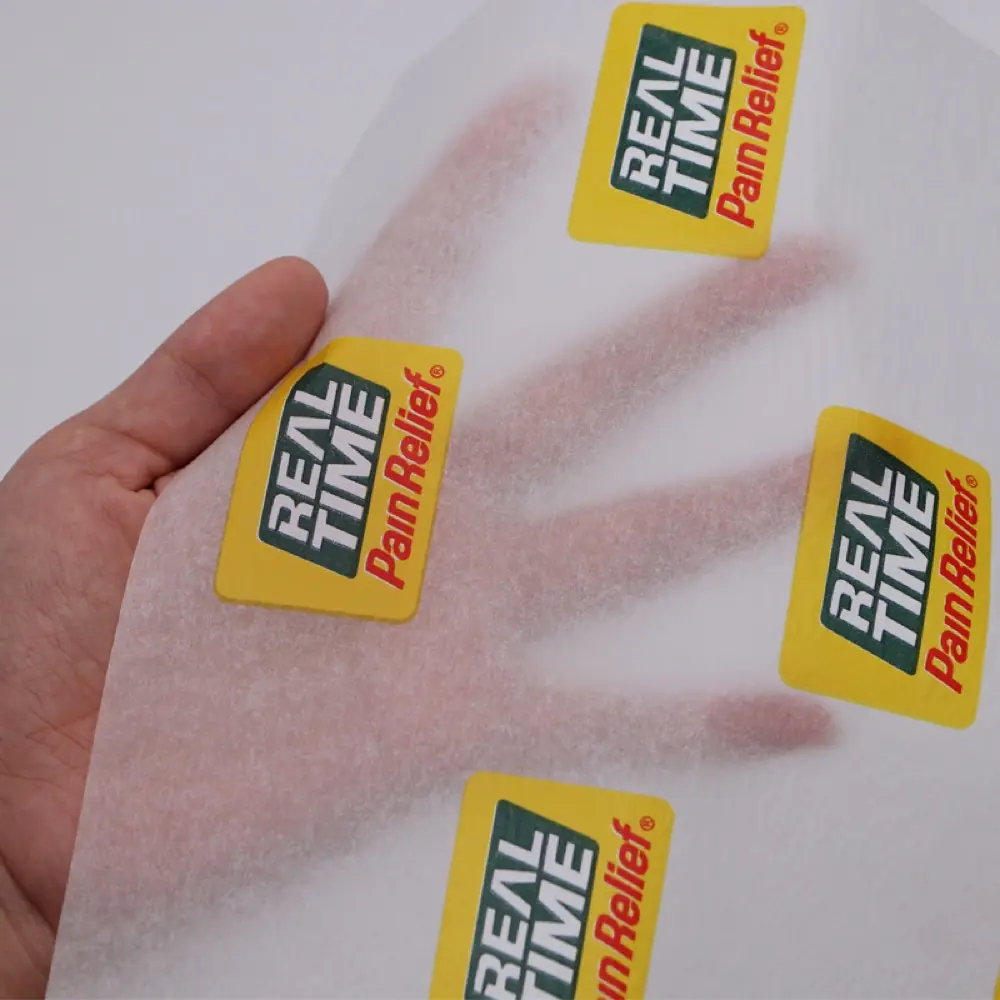
Yes, flexographically in one to six colours. The minimum follows colour count and sheet size rather than a flat figure: standard white and coloured tissue starts at 1 tonne, and a printed run is priced once GSM, sheet size and colour count are known. Fine hairlines and small reversed-out type tend to fill in on 17 to 22 gsm stock.
What's the difference between tissue paper and gift wrapping paper?
Grammage and job. Tissue runs 17 to 40 gsm and has to drape, cushion and stay opaque over the product; wrap runs 25 to 80 gsm and has to hold a crease at a box corner. Neither substitutes for the other: tissue tears at a sharp fold, and wrap looks stiff inside a box. Most programmes buy both, for different layers.
How should I store tissue paper?
Cool, dry and out of sunlight: 18 to 25 degrees at 45 to 55 per cent relative humidity is the working target. Tissue picks up moisture from the air and cockles, and light fades dyed stock faster than printed stock. Keep reams in their original wrap on a pallet rather than on a concrete floor, and use the oldest stock first.
Is acid-free tissue necessary for garments?
For anything stored longer than a season, yes. Standard tissue is slightly acidic, and the acid migrates into the textile over time, showing up as yellowing along fold lines and, in silk and wool, as fibre weakening. Acid-free stock is buffered toward a neutral pH. For a parcel opened within days the difference is negligible; for archival or long-term storage it is not.
Need custom tissue paper?
From acid-free archival to printed unboxing tissue — tell us your use case and we’ll match a grade.
Sales Manager at WiseInco · 15+ years in packaging paper industry
Helping global brands source FSC-certified gift wrapping, tissue, kraft, and greaseproof paper from our 50,000 m² factory in Dongguan, China. 5,000+ containers exported to 30+ countries annually.
Learn what FSC certification means for paper products, how FSC-certified paper is sourced, the different FSC labels, and what buyers should verify when…
8 packaging mistakes we see from first-time custom wrapping paper buyers — incomplete specs, screen vs print color, ignoring storage, late planning. Learn.