A Beginner's Guide to Packaging Paper: Types, Uses, and Industry Insights
Kraft, tissue, greaseproof, gift wrap — the world of packaging paper can feel overwhelming when you're just getting started. Each type has a specific job, and picking the wrong one costs time and money. Here's what you actually need to know.
TL;DR
Packaging paper splits into a few practical families: kraft for strength and uncoated print, coated grades for sharp colour, tissue for protection and presentation, and greaseproof for food contact. The right choice follows the job, meaning barrier, weight, finish and print requirements, rather than the price list. Matching paper to application first prevents most specification mistakes.
Common Types of Packaging Paper
The packaging paper market offers several distinct categories, each designed for specific applications. Understanding the differences helps buyers make informed decisions that balance cost, performance, and brand presentation. The four main types cover most commercial packaging needs, from heavy-duty shipping to luxury retail displays.
The core families are wrapping paper, tissue paper, kraft paper, and specialty grades such as greaseproof and coated papers. Each serves a different function, from presentation to protection to food safety.
Kraft Paper — Durable, tear-resistant, and eco-friendly. Made from wood pulp through the kraft process, it has a natural brown appearance that signals sustainability. Widely used for wrapping, void fill, and e-commerce packaging.
Coated Paper — Features a surface treatment (clay or polymer coating) that creates a smooth, printable surface. Ideal for high-quality printing with vibrant colors and sharp details. Common in retail gift wrap and branded packaging.
Tissue Paper — Lightweight, soft, and decorative. Available in solid colors and custom prints. Primarily used for bag stuffing, box lining, and adding elegance to gift and apparel packaging.
Specialty Paper — Engineered for premium applications with unique textures, metallic finishes, embossing, or foil stamping. Used by luxury brands, cosmetics companies, and high-end retailers.
Applications Across Industries
Different industries have distinct packaging paper requirements based on their products, brand positioning, and distribution channels. Understanding industry-specific needs helps buyers select the most appropriate paper type and avoid costly mismatches.
Retail and gifting lean on wrapping and tissue for presentation; logistics and industrial use lean on kraft for strength; food service relies on greaseproof and certified grades for safety and compliance.
Retail packaging — Coated and specialty papers for store displays and gift wrapping.
Cosmetic packaging — Soft-touch and specialty papers that convey luxury and quality.
E-commerce shipping — Kraft paper for durability and eco-friendly brand messaging.
Luxury goods — Premium specialty papers with embossing, foil, and custom textures.
Custom Printed Solutions
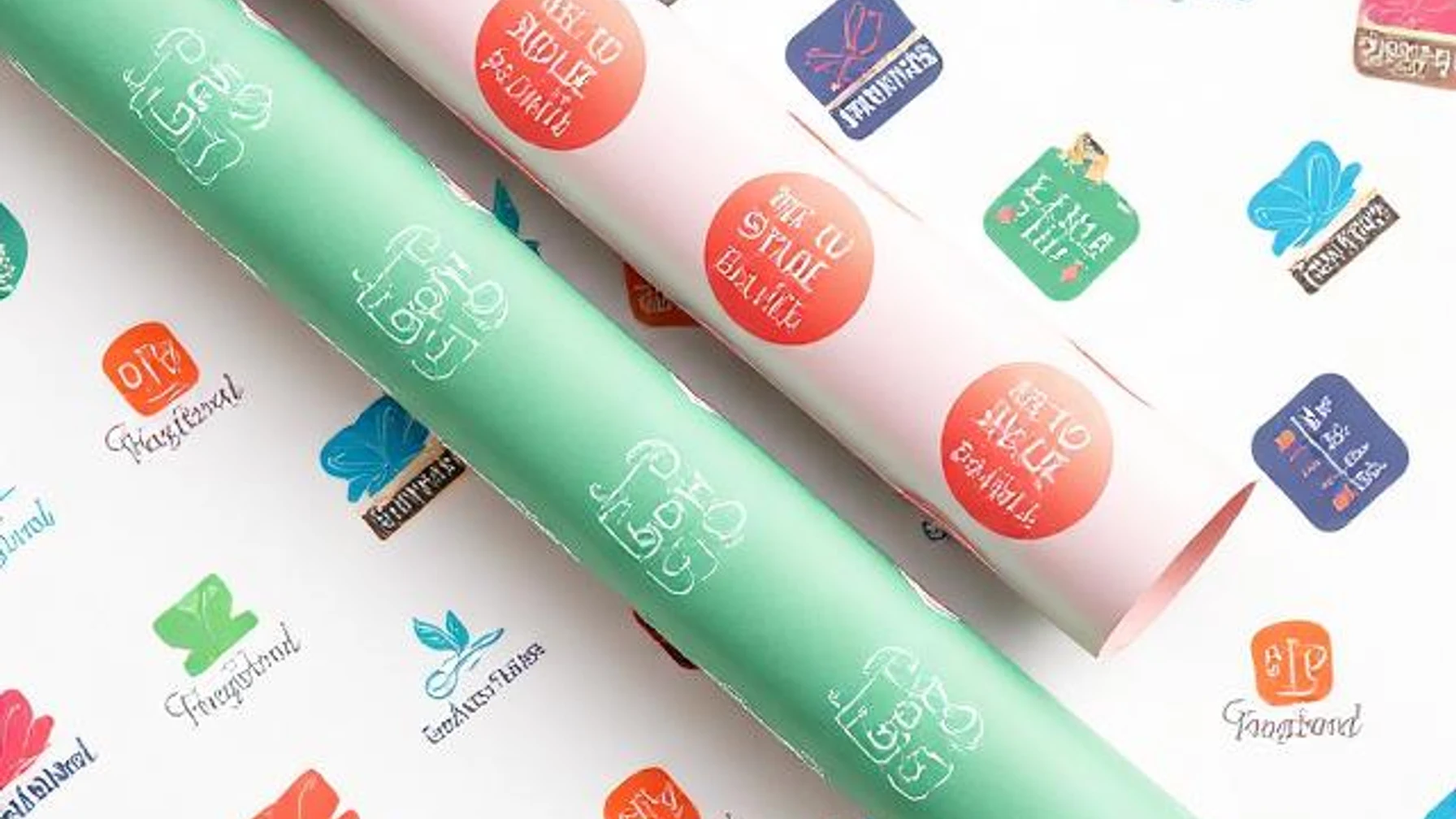
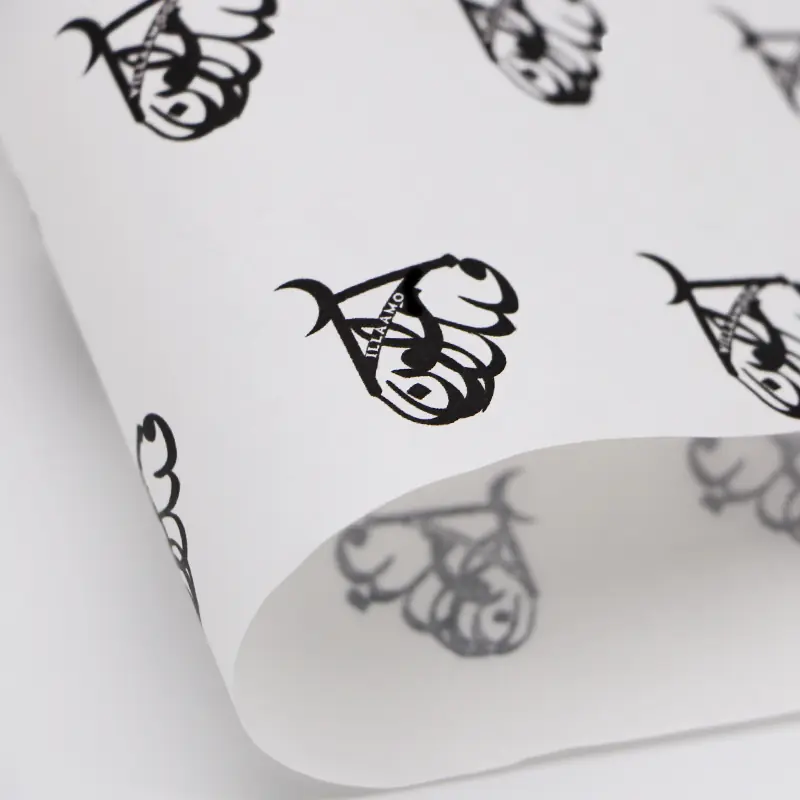
Custom packaging paper enables brands to create unique visual identities that customers recognize instantly. From logo-printed kraft paper to full-color tissue wraps, customization transforms basic packaging into a powerful marketing tool. Leading suppliers such as Wise Packaging offer tailored services for businesses of all sizes, from small boutiques to multinational retail chains.
Most paper types can be custom printed, which lets a single functional material also carry brand identity. The constraint is usually the print method suited to the substrate and the order volume.
How to Select the Right Paper
Choosing the right packaging paper requires balancing several factors. The decision should be driven by your specific product needs and brand strategy rather than following generic recommendations. Taking time to evaluate these factors upfront helps avoid costly mistakes and ensures your packaging performs as expected.
Selection starts with function: what must the paper do, in what environment, at what volume? Only after function is clear should appearance and cost enter the decision.
Product type — Heavy items need stronger paper (kraft, high-GSM coated); lightweight items work with tissue or standard wraps.
Brand positioning — Luxury brands invest in specialty papers; eco-brands prioritize kraft and recycled materials.
Budget — Balance material cost with perceived value. Tissue is economical; specialty papers command premium pricing.
Sustainability goals — FSC certification, recycled content, and biodegradable options align with environmental commitments.
Industry Insight
The global packaging industry continues to expand, driven by three major forces. E-commerce growth has created unprecedented demand for packaging materials that protect products during shipping while maintaining brand presentation. Brand differentiation needs push companies toward custom printed solutions that stand out in crowded markets. Increasing sustainability awareness drives innovation in recyclable, compostable, and responsibly sourced materials.
Experienced buyers specify paper by performance requirement, not by catalog name. This prevents over-specifying (wasted cost) or under-specifying (failure in the field).
Final Thoughts
Understanding packaging paper is essential for building a strong brand presence. The right paper choice communicates your values, protects your products, and creates memorable customer experiences. Whether you are launching a new brand or optimizing existing packaging, investing time in material selection pays dividends in customer satisfaction and brand perception. Explore more packaging paper solutions and expert guidance at Wise Packaging.
Understanding paper types is the foundation of good packaging decisions. Once the families and their strengths are clear, choosing and customizing becomes a matter of matching specification to need.
From Our Factory Floor
A Quick Reference by Use Case
For gift presentation choose wrapping or tissue; for rugged transit choose kraft; for food contact choose greaseproof or certified food-safe grades; for a premium feel choose a coated or foil-finished wrap. Keeping this map handy prevents the most common mismatch we see: a beautiful paper that fails its functional job.
We hand this reference to new buyers during onboarding, because it shortens the path from confusion to a specification that actually performs.
Where White Kraft and Greaseproof Fit
White kraft paper offers a clean, strong, printable surface that bridges presentation and durability, while greaseproof paper provides the barrier properties food packaging requires.
Both are workhorses we produce in volume for export buyers who need reliability as well as appearance, and both accept custom printing without sacrificing their core function.
Frequently Asked Questions
Frequently Asked Questions
What is the difference between kraft paper and coated paper?
Kraft paper is uncoated, durable, and has a natural brown appearance—ideal for eco-friendly and heavy-duty packaging. Coated paper has a smooth surface treatment that enables high-quality printing with vibrant colors, making it suitable for retail gift wrap and branded packaging.
Which packaging paper is best for e-commerce businesses?
Kraft paper is often the best choice for e-commerce due to its durability and eco-friendly appeal. For inner packaging, custom printed tissue paper adds brand value. The combination of kraft outer wrap and printed tissue inside creates a balanced packaging experience.
Need food-safe greaseproof paper?
Tell us your use case and volume — we’ll recommend the right coating (silicone or PE) and confirm MOQ.
Sales Manager at WiseInco · 15+ years in packaging paper industry
Helping global brands source FSC-certified gift wrapping, tissue, kraft, and greaseproof paper from our 50,000 m² factory in Dongguan, China. 5,000+ containers exported to 30+ countries annually.