How Simplifying a Packaging Structure Helped Improve Efficiency: A Packaging Paper Case Study
When people talk about improving packaging, the conversation usually focuses on materials. In many packaging reviews we have participated in, the biggest improvements came from simplifying the structure itself. This case study covers a project where the goal was not to redesign packaging completely, but to make it more efficient without losing the brand experience customers expected.
TL;DR
When people talk about improving packaging, the conversation usually focuses on materials. In many packaging reviews we have participated in, the biggest improvements came from simplifying the structure itself.
The Original Packaging Setup
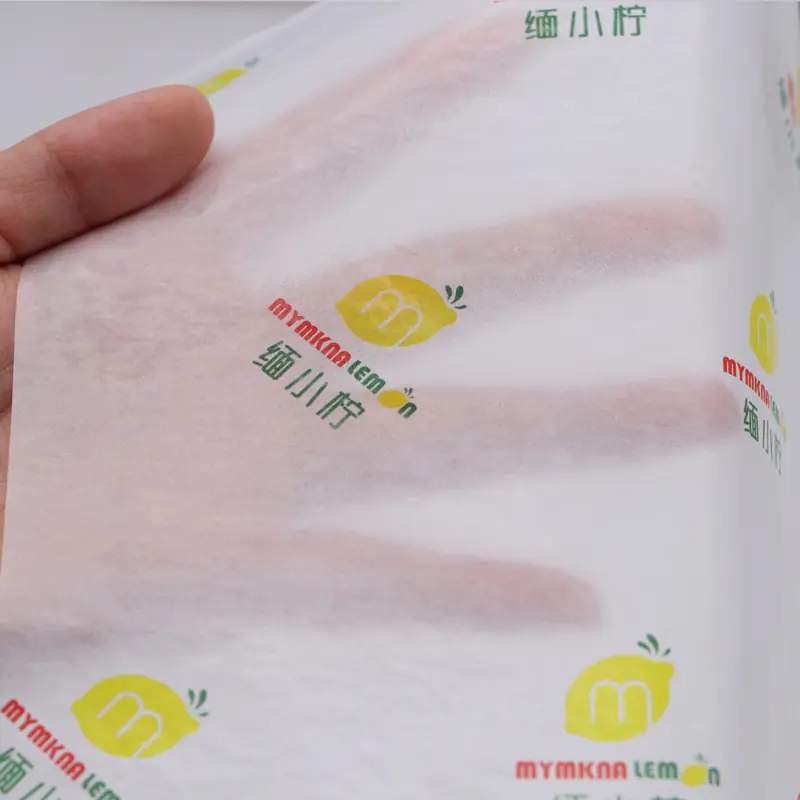
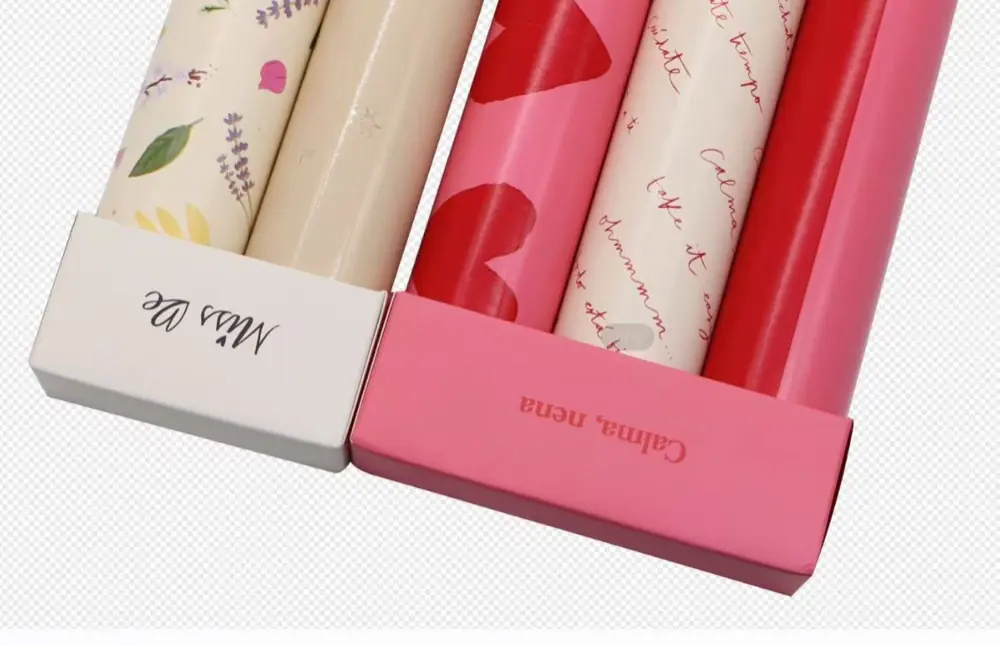
The customer sold gift-oriented products through retail and e-commerce. Over time, the packaging system evolved gradually. New components were added whenever a new requirement appeared. The final structure included custom printed tissue, gift wrapping paper, product inserts, decorative labels, and additional internal wrapping layers.
Individually none seemed unnecessary. The challenge only became obvious when viewed as a single system.
The client's product shipped in a printed carton with an inner tray, a sheet of tissue, and a branded sticker seal. Each component was sourced separately and assembled by hand. Individually, none of the pieces was expensive or obviously excessive.
The Problem Was Not the Paper
The customer expected material costs needed reducing. Before discussing alternatives, we reviewed how packaging was actually used. The biggest issue was not paper quality or printing. It was complexity.
The packing team needed extra time to assemble each package because multiple components had to be applied in sequence.
The natural instinct was to question paper grade or print method. Those were not the issue. The issue was structural: four components meant four purchase orders, four inventory locations, and four chances for a step to be missed.
What Changed
We consolidated functions -- a printed component was redesigned to perform both branding and presentation functions simultaneously. We reduced redundant layers that provided minimal value after assembly. We standardized materials to reduce variation between packaging formats. The result: the packaging still looked familiar.
Customers did not perceive it as lower quality. The visual identity remained consistent. What changed was the process behind the packaging.
We consolidated the inner tray and tissue into a single custom-printed wrap that performed both functions, and moved the brand seal into the print so the sticker could be removed. The carton stayed, and the paper grade stayed.
What We Learned
Customers often assume sustainability, efficiency, branding, and operational simplicity are separate objectives. In reality they often support each other. A structure that uses fewer components can be easier to manage, more consistent, simpler to scale, and easier for customers to understand.
At Wise Packaging, packaging optimization starts with understanding how packaging is actually used. We review packing processes, brand requirements, product presentation, material selection, and customer expectations before recommending changes. The most valuable improvements often come from simplifying the structure rather than changing the paper itself.
Simplification is not sacrifice. By keeping the elements that carried real value and removing those that only added steps, we improved consistency while cutting cost. The brand's customers noticed nothing different, which was the goal.
How to Identify Simplification Candidates
Look for components that exist to compensate for other components, steps that only a veteran packer remembers, and inventory SKUs whose purpose nobody can state in one sentence. These are the fingerprints of structural redundancy.
A useful exercise is to build one unit slowly while listing every action. The list itself usually reveals at least one step that adds labor without adding customer value.
Measuring Success After Simplification
Track the same metrics before and after: pack-out time, defect rate, components per unit, and total cost per shipped unit. Improvement across all four confirms the change was real and not just cosmetic.
At Wise Packaging we document these comparisons so the brand has evidence the simplification worked, which makes it far easier to approve the next one with confidence.
How to Apply Simplification to Your Own Line
Simplification works when you remove redundancy without removing protection. The method is repeatable across product lines.
Use the steps below to model it on your own packaging before changing anything.
Identify redundant layers: components that do the same job twice.
Test an equivalent spec: can a lower GSM or fewer plies hold the same result?
Measure success by two numbers: unit cost and damage or reject rate.
Involve production early: the people running the line spot the real constraints.
Keep a before-and-after record so the improvement is auditable.
Conclusion
One of the biggest misconceptions in packaging development is that improvement always requires adding something new. Some of the most successful optimization projects come from simplifying existing structures, removing unnecessary complexity, and ensuring every component serves a clear purpose.
The client's per-unit packaging cost fell, damage claims dropped, and pack-out became trainable in minutes rather than days. None of that required a new paper grade, only a clearer view of what each component was actually for.
Frequently Asked Questions
What is packaging structure optimization?
Reviewing packaging components, materials, and processes to improve efficiency while maintaining brand presentation.
Does simplifying packaging mean reducing quality?
Not necessarily. Simplification removes unnecessary elements while preserving the customer experience.
How do I know if my structure is too complex?
If multiple layers serve similar purposes or add little visible value, it may be worth reviewing.
Can simplification support sustainability?
Often yes. Reducing unnecessary components improves overall packaging efficiency.
What is the first step in a packaging review?
Evaluate the purpose of every component and whether it still supports the current strategy.
How can a manufacturer help?
By reviewing materials, workflow, branding requirements, and operational processes to identify opportunities.
Need help sourcing the right paper?
Reviewing your packaging structure? Let us look at the full system -- sometimes the best improvement is what you remove, not what you add.
Sales Manager at WiseInco · 15+ years in packaging paper industry
Helping global brands source FSC-certified gift wrapping, tissue, kraft, and greaseproof paper from our 50,000 m² factory in Dongguan, China. 5,000+ containers exported to 30+ countries annually.