How Packaging Standardization Improves Efficiency as Businesses Scale
How Packaging Standardization Improves Efficiency as Businesses Scale Learn how packaging standardization helps growing brands improve efficiency, reduce complexity, and maintain a consistent customer experience.
TL;DR
How Packaging Standardization Improves Efficiency as Businesses Scale Learn how packaging standardization helps growing brands improve efficiency, reduce
Introduction
How Packaging Standardization Improves Efficiency as Businesses Scale Learn how packaging standardization helps growing brands improve efficiency, reduce complexity, and maintain a consistent customer experience. How Packaging Standardization Improves Efficiency as Businesses Scale
A Common Situation We See
As businesses grow, packaging often becomes more complicated. A company that once sold a few products may eventually manage: Multiple product lines Different sales channels Seasonal promotions Corporate gifting programs International customers Without a clear packaging strategy, complexity can increase quickly. Many growing brands discover that packaging standardization is one of the most effective ways to maintain consistency while improving operational efficiency. From our experience, standardization is less about limiting creativity and more about creating systems that support sustainable growth.
What Is Packaging Standardization? Packaging standardization means creating consistent rules for packaging materials and presentation. This might include: Standard wrapping paper designs Consistent brand colors Unified logo usage Standard paper sizes Common packaging specifications The objective is creating a packaging system that can be used across multiple products and channels. Why Complexity Increases As Brands Grow Growth often introduces new packaging requirements.
For example: New Product Categories Different teams may choose different packaging styles. New Markets Regional preferences can create additional variations. Seasonal Programs Temporary packaging designs may multiply over time. Multiple Sales Channels Retail, e-commerce, and gifting programs may develop independently.
While each decision may seem reasonable, the combined effect can make packaging management increasingly complicated.
Common Mistakes Brands Make
A business begins with one wrapping paper design. As the brand expands, additional designs are created for: New product ranges Holiday campaigns Special promotions Different regions A few years later, the company is managing dozens of packaging variations. At this stage, many brands begin reviewing which elements can be standardized. The goal is reducing unnecessary complexity while maintaining a strong customer experience.
Standardization Supports Brand Consistency One of the biggest advantages of packaging standardization is stronger brand recognition. Customers repeatedly see: The same colors Similar patterns Consistent branding across products and channels. This creates a more unified experience. Over time, customers associate these visual elements with the brand itself.
Why Standardization Improves Operational Efficiency Beyond branding, standardization often simplifies day-to-day operations. Benefits may include: Easier Inventory Management Fewer packaging variations are easier to track. Streamlined Procurement Purchasing becomes more predictable. Simplified Training Teams work with familiar packaging systems.
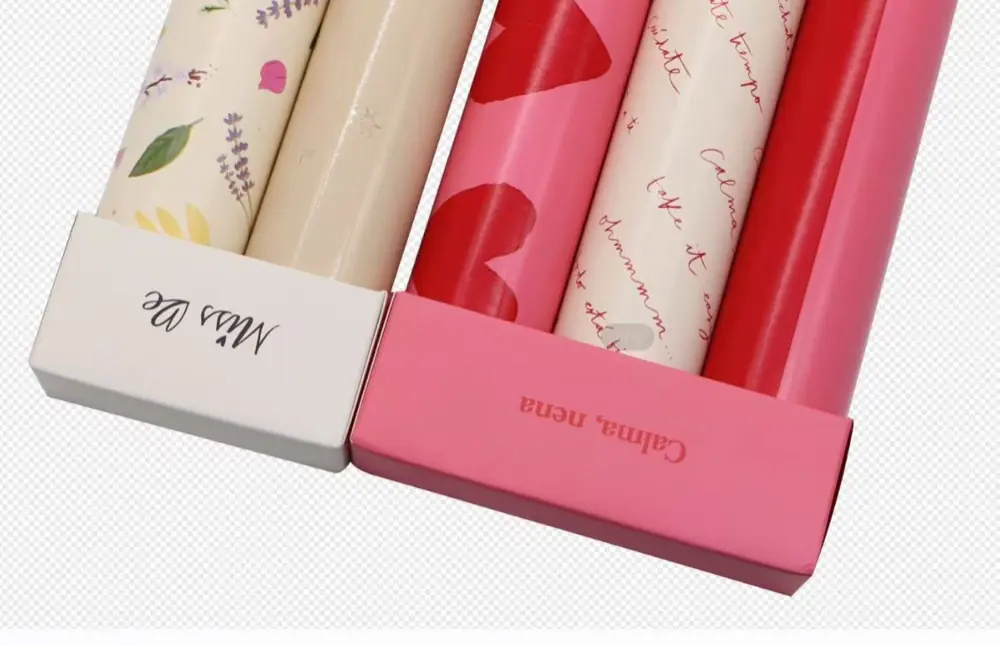
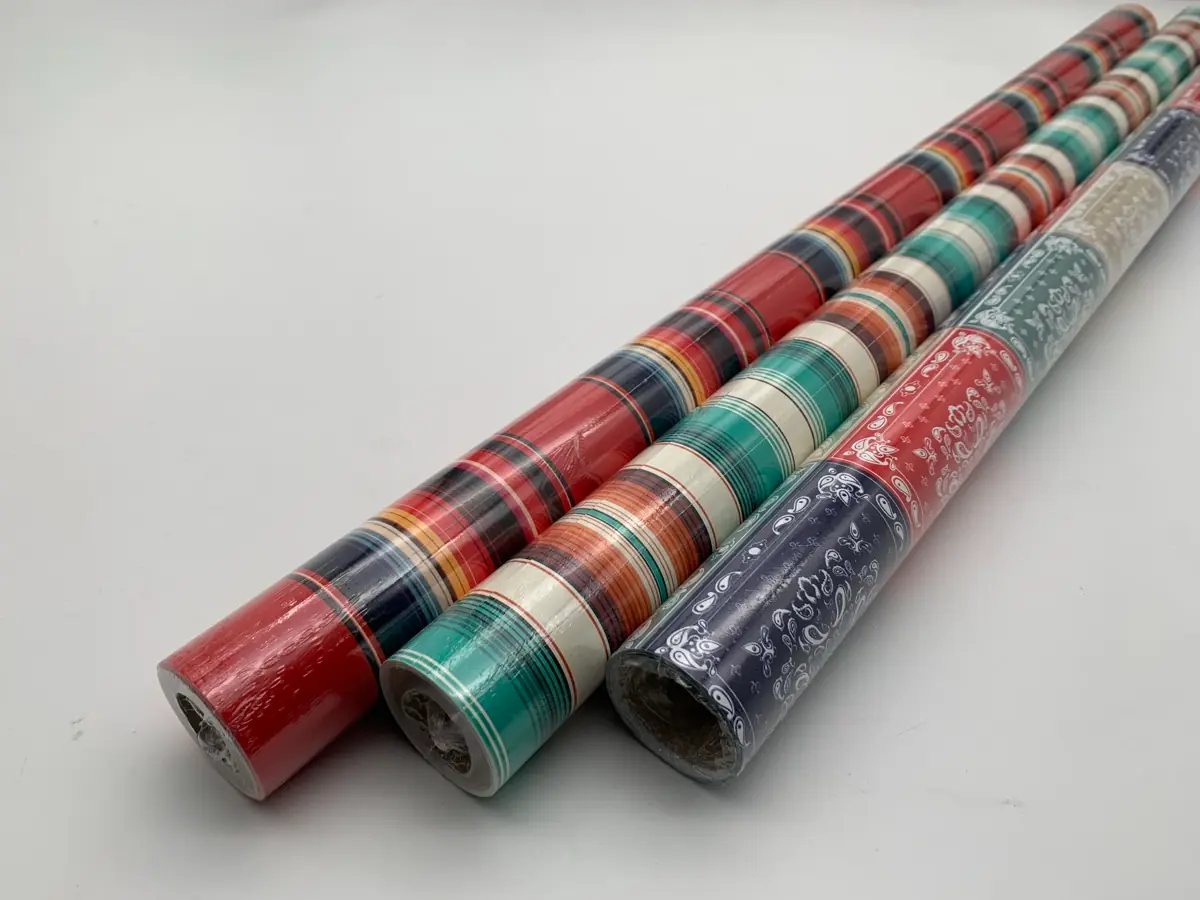
Improved Forecasting Demand planning becomes easier when packaging options are standardized. These operational improvements become increasingly valuable as businesses scale. Custom Gift Wrapping Paper Works Well In Standardized Systems Many successful packaging programs use a single custom wrapping paper design across multiple applications. The same wrapping paper may support: Retail purchases Online orders Gift packaging Seasonal promotions This approach allows brands to maintain consistency while reducing complexity.
Standardization Does Not Mean Uniformity A common misconception is that standardized packaging must look exactly the same everywhere. In practice, many brands combine: Core Brand Elements Logo patterns, colors, and visual identity remain consistent. Flexible Applications Seasonal accents and campaign-specific details are added when appropriate. This creates a balance between consistency and creativity.
Why Growing Brands Eventually Standardize As order volumes increase, packaging systems come under more pressure. Companies often face questions such as: How many packaging variations should we maintain? Which designs are still useful? Can inventory be simplified?
Are all packaging options necessary? Standardization often emerges as a practical solution to these challenges.
What We Have Learned
Creating Too Many Packaging Variations Complex systems can become difficult to manage. Allowing Different Teams To Develop Separate Standards This often leads to inconsistent customer experiences. Prioritizing Short-Term Packaging Needs Long-term efficiency is equally important. Ignoring Operational Impact Packaging decisions affect inventory, procurement, and fulfillment processes.
Our Approach
Across many wrapping paper projects, one lesson appears repeatedly. The brands that scale most efficiently typically have the clearest packaging systems. Their packaging is: Consistent Recognizable Easy to manage Flexible enough to support growth Standardization helps make this possible.
Conclusion
At Wise Packaging, we often discuss packaging from both a branding and operational perspective. We review: Product portfolios Packaging variations Customer experience goals Long-term growth plans because effective packaging systems should support marketing objectives while remaining practical to manage as a business expands. Custom Gift Wrapping Paper Manufacturer
Conclusion
Packaging standardization helps growing brands balance consistency, efficiency, and scalability. By reducing unnecessary complexity and maintaining a clear visual identity, companies can create stronger customer experiences while simplifying operations. From our experience, the most successful packaging systems are not the most complicated. They are the ones that remain effective as the business continues to grow.
Frequently Asked Questions
What is packaging standardization?
Packaging standardization is the process of using consistent packaging materials, designs, and specifications across products and channels.
How does standardization improve efficiency?
It simplifies inventory management, procurement, forecasting, and packaging operations.
Does packaging standardization reduce creativity?
Not necessarily. Many brands maintain core standards while allowing flexibility for seasonal campaigns and promotions.
Why is standardization important for growing brands?
As businesses expand, standardized packaging helps maintain consistency and reduce operational complexity.
Can custom gift wrapping paper support packaging standardization?
Yes. Many brands use a consistent wrapping paper design across multiple products and sales channels.
What is the biggest benefit of packaging standardization?
A stronger balance between brand consistency, operational efficiency, and long-term scalability.
Need help sourcing the right paper?
Considering packaging standardization? Get in touch and let's find the right solution.
Sales Manager at WiseInco · 15+ years in packaging paper industry
Helping global brands source FSC-certified gift wrapping, tissue, kraft, and greaseproof paper from our 50,000 m² factory in Dongguan, China. 5,000+ containers exported to 30+ countries annually.