You see it every holiday season, every birthday party, every wedding — but have you stopped to think about what actually goes into gift wrapping paper? From the base material to the finish, there's more to it than meets the eye.
TL;DR
You see it every holiday season, every birthday party, every wedding — but have you stopped to think about what actually goes into gift wrapping paper? From the base material to the finish, there's more to it than meets the eye.
Main Types of Gift Wrapping Paper
Different products and brand positions call for different wrapping materials. Understanding the main types helps buyers choose a substrate that balances cost, performance, and visual impact.
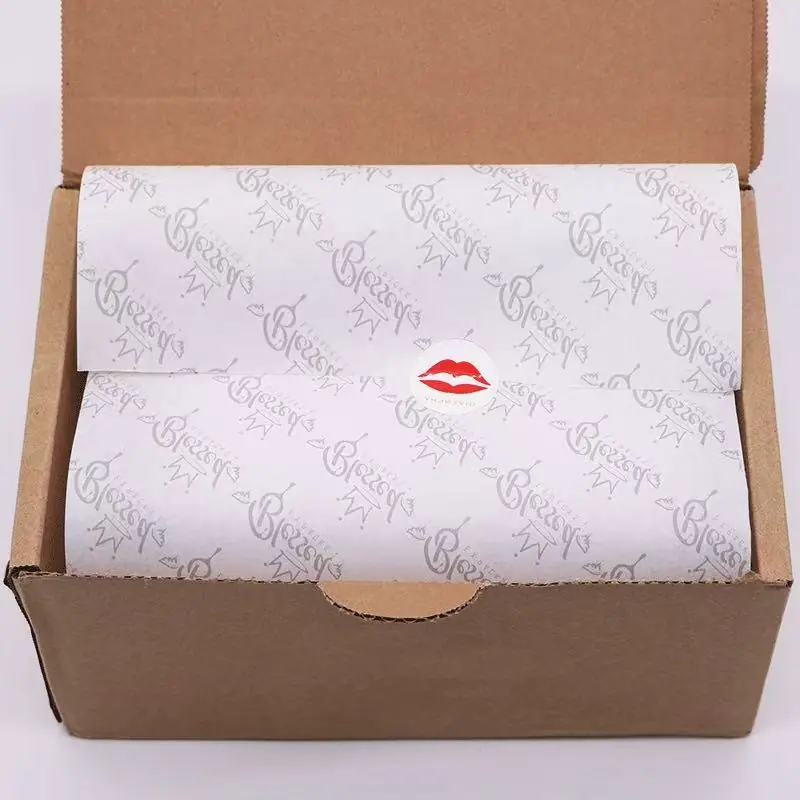
Tissue Gift Wrap (Solid Color) — Lightweight and soft, often used inside boxes or bags.
Kraft-Based Gift Wrap — Stronger and more sustainable, popular for eco-conscious brands.
Metallic & Foil Gift Wrap — Shiny, reflective finishes for luxury and holiday packaging.
Custom Printed Gift Paper — Branded with logos, patterns, or seasonal artwork.
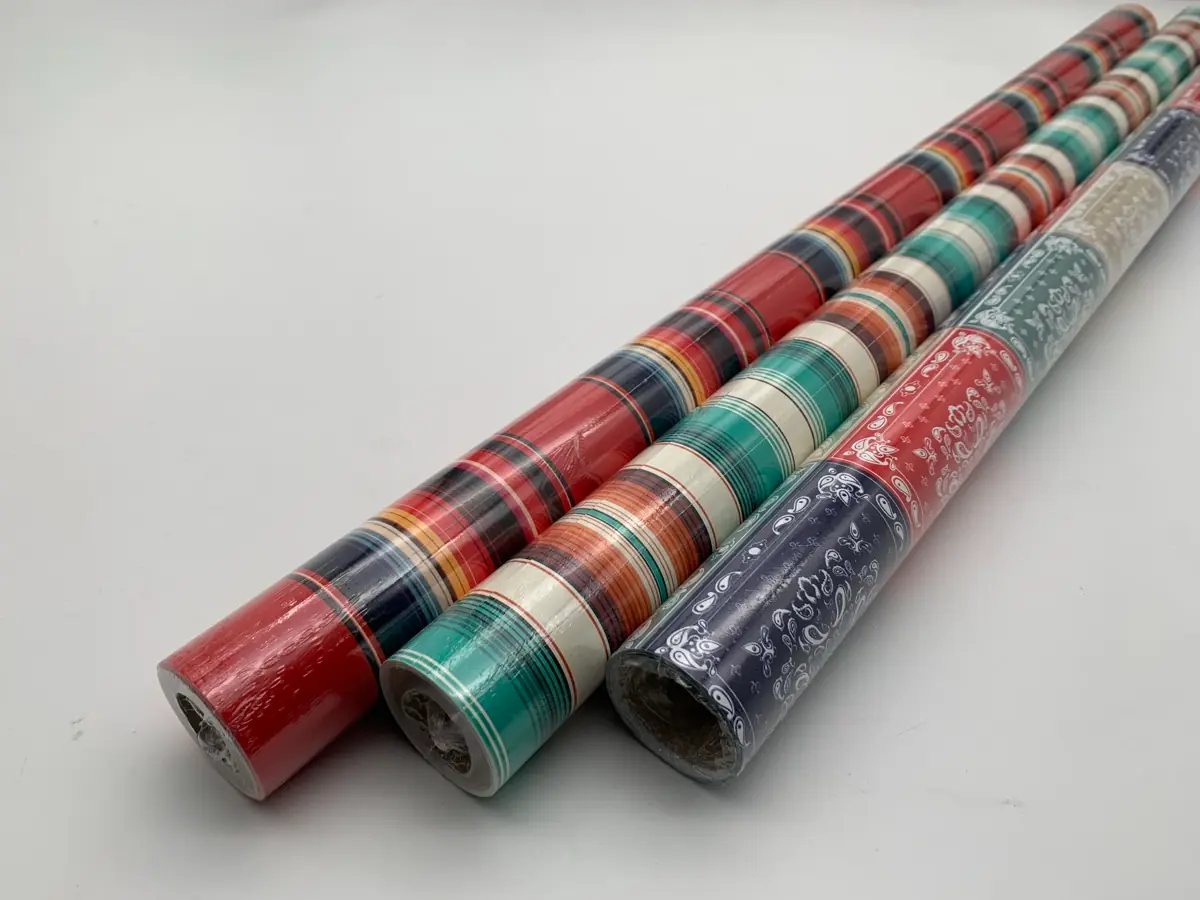
Wrapping Paper Rolls — Continuous rolls for high-volume retail and e-commerce operations.
Understanding GSM Weight
GSM stands for grams per square meter. It indicates paper thickness and durability. Choosing the right GSM ensures your wrap folds cleanly, holds print well, and feels appropriate for the product inside.
17–40 gsm — Tissue paper; lightweight, decorative, ideal for bag stuffing and box lining.
40–80 gsm — Standard gift wrap; good balance of strength and foldability.
80–120 gsm — Heavy gift wrap and bag material; premium feel and structural strength.
Finishes and Print Options
Common finishes include matte, gloss, metallic, holographic, and embossed textures. Flexographic printing is cost-effective for large runs, while gravure printing delivers finer detail and richer color — ideal for high-end designs. Many brands combine custom printing with foil stamping or embossing to create distinctive packaging.
How to Choose the Right Gift Wrapping Paper
Consider the product weight, brand positioning, and distribution channel. Luxury brands often choose foil or heavy custom-printed paper. E-commerce brands may prefer durable kraft-based wraps that survive shipping. Seasonal promotions can use metallic or themed designs to increase shelf appeal.
For apparel and delicate items, tissue wraps provide soft protection and presentation.
Gift Wrapping Paper by Industry
Retailers, wineries, cosmetic brands, and e-commerce companies all use gift wrapping paper differently. Wineries need durable, wide-format paper for bottle wrapping. Cosmetic brands prefer soft tissue or foil wraps for premium presentation. E-commerce sellers prioritize durable, crease-resistant paper that protects products during transit.
Corporate gift programs often coordinate wrapping paper with branded boxes and ribbons for a unified look.
Sustainability and Certifications
Sustainability is increasingly important to B2B buyers and end consumers. FSC-certified gift wrapping paper ensures that the raw material comes from responsibly managed forests. Recyclable and compostable options are available for brands that want to reduce environmental impact. When choosing a supplier, ask for certification documents and confirm that inks and coatings meet local environmental standards.
Cost Factors When Buying Wholesale
Wholesale pricing depends on GSM, base material, print complexity, finish, and order volume. Tissue paper is typically the most economical option. Custom printed and foil-finished papers carry higher setup costs but create stronger brand impact. Ordering larger volumes reduces the per-unit cost and improves supply chain efficiency.
Working directly with the manufacturer helps avoid middleman markups and provides more control over specifications.
Why Source Gift Wrapping Paper from a Manufacturer?
Buying directly from a manufacturer like Dongguan Wise Packaging gives you control over GSM, size, color, print design, and order volume. You also benefit from faster sample turnaround, consistent batch quality, and competitive wholesale pricing. A direct manufacturer relationship helps you manage seasonal demand, customize packaging, and maintain stable supply for retail calendars.
Gift Wrapping Paper vs Tissue Paper vs Kraft Paper
Buyers often confuse these three categories. Tissue paper is the lightest and is mainly used inside boxes or bags for decoration and protection. Kraft paper is thicker, stronger, and more rustic, often chosen for eco-friendly and e-commerce packaging. Gift wrapping paper sits in the middle — it is designed for visual presentation and comes in a wider range of finishes, colors, and prints.
For complete packaging systems, many brands use tissue inside the box and gift wrap or kraft paper on the outside.
How to Order Wholesale Gift Wrapping Paper
Start by defining your specifications: GSM, base material, finish, print colors, sheet or roll size, and order quantity. Request samples from the manufacturer to evaluate color, texture, and print quality before placing a bulk order. Confirm the lead time, payment terms, and shipping method. For custom printed orders, provide vector artwork in AI, PDF, or EPS format with clear color references.
A reliable manufacturer will provide digital proofs and pre-production samples for approval.
Storage and Handling Tips
Gift wrapping paper should be stored in a cool, dry environment away from direct sunlight and moisture. Keep rolls standing upright or on proper roll racks to prevent edge damage and creasing. Avoid stacking heavy objects on top of paper sheets. For metallic and foil papers, handle with clean gloves to prevent fingerprints and store away from abrasive surfaces that could scratch the finish.
Seasonal Packaging Trends
Seasonal packaging drives significant demand for themed gift wrapping paper. Christmas, Valentine's Day, Mother's Day, and Eid are peak periods for retailers. Many brands now combine seasonal artwork with sustainable materials to meet consumer expectations. Limited-edition prints and coordinated packaging collections can increase perceived value and encourage repeat purchases.
Planning seasonal orders 2–3 months in advance helps avoid production bottlenecks.
What is the most common GSM for gift wrapping paper?
Most retail gift wrap falls between 40 and 80 gsm. Tissue paper is usually 17–40 gsm, while heavy luxury wraps and bag material can be 80–120 gsm.
Can gift wrapping paper be recycled?
Uncoated paper and kraft-based gift wrap are generally recyclable. Foil, holographic, or laminated papers may not be recyclable in standard streams. Ask your supplier for specific material guidance.
How much does custom printed gift wrap cost?
Pricing depends on GSM, print colors, order volume, and finishing. Contact the manufacturer with your specifications for a detailed quotation.
What is the best gift wrap for e-commerce?
E-commerce brands typically choose durable kraft-based or heavier coated papers that resist tearing during transit. Custom printing reinforces brand identity during unboxing.
Should I order gift wrap in rolls or sheets?
Rolls are more economical for high-volume wrapping and automated packing lines. Sheets are convenient for manual wrapping, counter sales, and pre-cut packaging kits.
Need custom gift wrapping paper?
Compare finishes, weights, and printing options across our full gift wrap range.
Sales Manager at WiseInco · 15+ years in packaging paper industry
Helping global brands source FSC-certified gift wrapping, tissue, kraft, and greaseproof paper from our 50,000 m² factory in Dongguan, China. 5,000+ containers exported to 30+ countries annually.