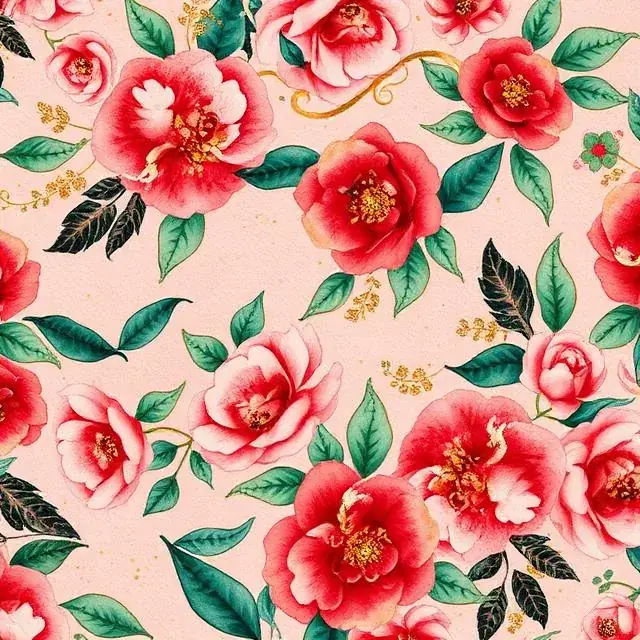
Why Some Gift Wrapping Paper Designs Get Reordered More Often Than Others
One thing we've noticed after working on gift wrapping paper projects for many years is that there is often a difference between a design that attracts attention and a design that gets reordered. The two are not always the same. Some wrapping paper designs look impressive during the approval stage. Everyone likes the mockups. The presentation looks great. The project moves into production. A year later, the design is replaced. Meanwhile, some very simple wrapping paper designs continue to be reordered year after year. As a manufacturer, we've learned that long-term success usually has less to do with design trends and more to do with how the wrapping paper performs in actual business use.
TL;DR
One thing we've noticed after working on gift wrapping paper projects for many years is that there is often a difference between a design that attracts attention and a design that gets reordered. The two are not always the same.
The Most Reordered Designs Are Often Simpler Than Expected
New customers sometimes assume that premium wrapping paper requires complicated artwork. They request multiple colors, detailed illustrations, large graphics, and complex patterns. Sometimes those designs work very well. However, when we look at projects that continue for several years, a different pattern appears.
Many of the most frequently reordered designs are surprisingly simple.
The reason is practical. Simple designs tend to remain relevant longer. They are easier to use across different products and packaging formats.
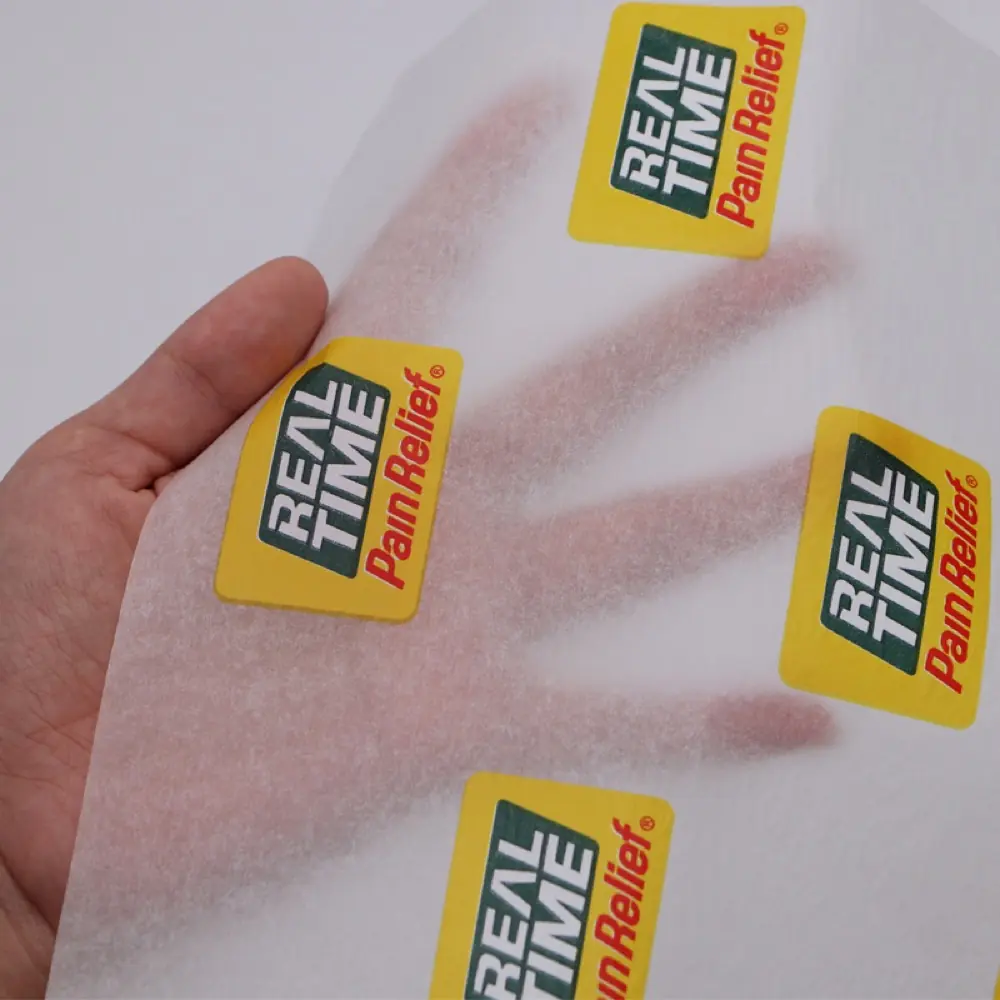
Repeating logos
Small geometric patterns
Minimal seasonal graphics
Clean brand-focused layouts
A Common Situation We See
A customer launches a new gift packaging program. The marketing team develops a highly creative wrapping paper design. The paper looks excellent for that specific campaign. Six months later, the company wants to use the same paper for other products.
The design suddenly feels too specific. The artwork is tied to one season, one promotion, or one product category. As a result, the customer starts over with a new project. By contrast, simpler designs often have a longer working life.
Why Repeating Patterns Continue To Work
If we look at long-running gift wrapping paper programs, repeating patterns appear frequently. There are several reasons.
Easy brand recognition — customers quickly recognize the brand.
Flexible usage — the same paper can be used across multiple product lines.
Consistent appearance — even when wrapped differently, the visual identity remains recognizable.
Why Repeating Patterns Are Stable
Because of these advantages, repeating logo designs are some of the most stable projects we see.
The Problem With Overly Large Graphics
One issue that occasionally appears involves oversized artwork. A design may look impressive on a digital presentation. Once converted into actual wrapping paper, the graphics can become difficult to use. Because wrapping paper is rarely viewed as a flat sheet.
It gets folded, cut, wrapped, and tied. Large design elements often disappear during the wrapping process. Smaller repeating artwork is usually more forgiving.
Seasonal Designs: Great For Marketing, Difficult For Longevity
Seasonal wrapping paper can be very effective. We produce custom designs for Christmas, Valentine's Day, Mother's Day, and Lunar New Year. The challenge is not the design quality. The challenge is lifespan.
Customers often discover that seasonal paper has a relatively short ordering cycle. This doesn't make seasonal designs a bad choice. It simply means they serve a different purpose than evergreen designs.
What Retail Buyers Often Prefer
Retail-focused projects tend to prioritize flexibility. Store managers and packaging teams usually want paper that matches multiple products, remains visually attractive throughout the year, and supports brand consistency. This is one reason many retailers choose patterns rather than campaign-specific artwork. The paper becomes a packaging asset rather than a marketing campaign.
A Lesson We Learned From One Long-Term Customer
Several years ago, a customer considered replacing a wrapping paper design that had been in use for quite some time. Their concern was that the design felt too simple. New concepts were developed. Some were more colorful.
Others included larger graphics. After reviewing the options, the customer kept the original design. The reason was practical. Customers already recognized it.
The wrapping paper had effectively become part of the brand identity. That project reinforced something we continue to see: not every successful design needs to be redesigned.
Printing Complexity Does Not Always Create More Value
It's tempting to assume that more colors mean better paper, more detail means better branding, and more artwork means better packaging. In practice, we've seen many situations where additional printing complexity created more production effort without improving customer recognition. Some of the strongest designs are built around a few core elements that are used consistently over time.
Questions We Usually Ask During New Projects
When discussing wrapping paper artwork, we often ask several questions that influence the design direction more than people expect.
How long do you want to use this design?
Will it be used across multiple product lines?
Is it seasonal or year-round?
What should customers remember after seeing it?
What We Have Learned From Gift Wrapping Paper Projects
After producing many custom wrapping paper orders, one observation appears regularly. The designs that last the longest are rarely the ones trying to communicate everything. They are usually the ones that communicate one thing clearly. Good wrapping paper does not need to tell the entire brand story.
It only needs to reinforce it.
Our Approach At Wise Packaging
At Wise Packaging, wrapping paper projects usually begin with product samples and artwork discussions. However, before production starts, we often discuss something else: how long the design is expected to live. Understanding whether the paper is intended for a seasonal campaign, a retail packaging program, an e-commerce brand, or a long-term gift packaging system helps determine which design approach makes the most sense.
Sometimes our recommendation is to simplify rather than add more design elements. As a Gift Wrapping Paper Manufacturer, we've found that the designs which remain effective for years are often the simplest ones. In our experience, designs that continue to be reordered year after year are rarely the most complicated ones.
Conclusion
One of the biggest lessons we've learned from wrapping paper projects is that successful designs and memorable designs are not always the same thing. A design can look impressive today and feel outdated next year. Meanwhile, a simple repeating pattern can continue supporting a brand for many years. For packaging buyers, the key question is not "What design looks best right now?" Instead, it may be "What design will still make sense after thousands of products have been wrapped?" That perspective often leads to stronger long-term packaging decisions.
Frequently Asked Questions
What type of gift wrapping paper design gets reordered most often?
Simple, flexible designs such as repeating logos and clean brand patterns tend to have longer lifespans across multiple product lines.
Are complex wrapping paper designs more effective?
Not always. Some highly detailed designs work well for campaigns but may be less flexible for long-term use.
Why do brands use repeating logo patterns?
Repeating patterns help strengthen brand recognition while remaining versatile across different packaging applications.
Should seasonal wrapping paper be used year-round?
Seasonal designs are usually developed for specific campaigns and may not be suitable for year-round use.
Does more printing automatically create better packaging?
In our experience, successful packaging often comes from consistency and clarity rather than printing complexity.
How should I choose a wrapping paper design?
Consider how long the design will be used, which products it will support, and what message customers should remember after opening the package.
Need custom gift wrapping paper?
Compare finishes, weights, and printing options across our full gift wrap range.
Sales Manager at WiseInco · 15+ years in packaging paper industry
Helping global brands source FSC-certified gift wrapping, tissue, kraft, and greaseproof paper from our 50,000 m² factory in Dongguan, China. 5,000+ containers exported to 30+ countries annually.