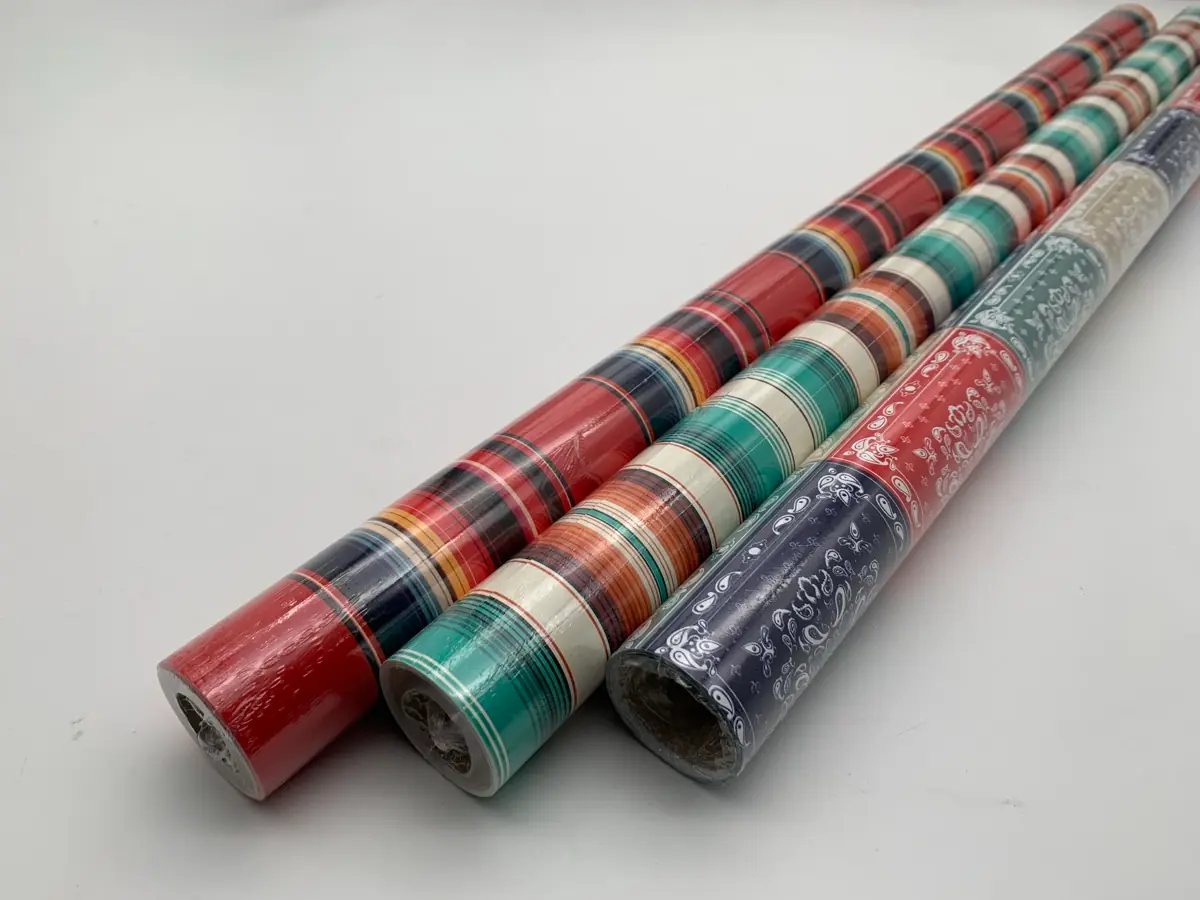
The Role of Packaging Paper in Cross-Border E-commerce: What International Sellers Often Discover
Cross-border e-commerce creates packaging challenges that are very different from domestic shipping. When a package travels internationally, it may pass through multiple warehouses, different logistics providers, customs inspections, and long transportation routes. Because of this, packaging decisions often carry more weight than many sellers initially expect. Over the years, we've worked with customers selling products into North America, Europe, Australia, and other overseas markets. One thing we've noticed is that packaging paper for cross-border e-commerce is rarely viewed as just a protective material. For many international sellers, it becomes part of brand presentation, customer experience, packaging efficiency, and international product positioning.
TL;DR
Cross-border e-commerce creates packaging challenges that are very different from domestic shipping. When a package travels internationally, it may pass through multiple warehouses, different logistics providers, customs inspections, and long transportation routes.
The Customer Doesn't See The Journey, Only The Result
A package may travel thousands of miles before reaching a customer. The buyer doesn't see the export warehouse, the shipping container, the sorting facility, or the final-mile delivery network. What they do see is the package when they open it. This is one reason packaging paper has become increasingly important for cross-border brands.
The paper helps create a first impression that feels intentional and organized, regardless of how far the package has traveled.
Why Packaging Consistency Matters More In International Markets
Domestic customers may already know a brand through physical stores, advertising, or word-of-mouth. Cross-border customers often have fewer touchpoints. For some brands, the delivered package becomes the first physical brand experience. As a result, many exporters prioritize consistency across tissue paper, wrapping paper, packaging inserts, and box presentation.
The goal is not necessarily luxury packaging. The goal is creating a recognizable and reliable customer experience.
Many cross-border sellers start with basic packaging. Their focus is usually on product sourcing, logistics, marketplace listings, and customer acquisition. As order volume grows, they begin receiving customer feedback. The product is good.
The delivery is acceptable. But the package feels generic. This is often when discussions about custom packaging paper begin. The brand has reached a stage where packaging becomes an extension of its identity rather than simply a shipping requirement.
Why Tissue Paper Is Popular In Cross-Border E-commerce
For many international sellers, tissue paper is one of the easiest packaging upgrades. The reasons are practical.
Easy to integrate — existing packing workflows usually require minimal changes.
Supports branding — a printed logo or brand color can improve recognition.
Suitable for multiple products — many businesses use the same tissue paper across different product categories.
Why Tissue Paper Flexibility Matters
This flexibility is particularly valuable for growing e-commerce brands.
International Shipping Creates Different Packaging Priorities
Not every packaging decision is based on appearance. Cross-border shipping introduces additional considerations. Customers often ask questions such as:
Will the packaging remain presentable during transit?
Is the material suitable for different markets?
Can the same packaging be used across multiple countries?
Is the packaging easy to scale as sales increase?
Operational And Branding Priorities
These operational concerns are often just as important as branding requirements.
The Difference Between Marketplace Sellers And Brand Builders
We've observed an interesting difference between two types of customers.
Marketplace-oriented sellers often prioritize efficiency, simplicity, and standardization.
Brand-focused sellers often place additional emphasis on customer experience, packaging presentation, and brand recognition.
Both Approaches Can Work
Both approaches can be successful. The packaging strategy simply reflects different business objectives.
Why Repeat Orders Often Lead To Better Packaging
Packaging discussions tend to evolve over time. First orders are usually focused on availability, cost, and lead times. Later conversations often shift toward brand consistency, packaging upgrades, customer retention, and international expansion. As sellers gain experience, packaging becomes part of the long-term business strategy rather than just an operational necessity.
What Overseas Customers Notice
One lesson we've learned is that customers often notice different things than packaging teams expect. They may not remember paper weight, printing process, or material specifications. But they often remember presentation, organization, brand identity, and overall packaging feel. That's one reason why relatively simple packaging paper can have a significant impact on the customer experience.
Common Mistakes We See
Through our experience, we've identified several common patterns that limit the effectiveness of cross-border packaging programs.
Treating packaging as an afterthought — many sellers focus on products and logistics first, then evaluate packaging much later.
Changing packaging too frequently — constant packaging changes can weaken brand consistency.
Designing packaging only for internal operations — packaging should work for warehouses, but it should also support the customer experience.
Assuming more packaging creates more value — in many successful projects, clear branding and consistency matter more than packaging complexity.
What We Have Learned From International Packaging Projects
One pattern appears repeatedly. The most successful cross-border packaging programs are usually built around consistency. The brands that perform well long-term often use packaging paper to reinforce visual identity, professional presentation, and recognition across markets. They do not necessarily use the most expensive packaging.
They simply use it consistently.
Our Approach At Wise Packaging
At Wise Packaging, many cross-border packaging discussions begin with products but quickly move toward customer experience. Before recommending wrapping paper or tissue paper solutions, we usually discuss target markets, product categories, shipping methods, packaging workflows, and branding goals. These conversations help determine whether a Packaging Paper Manufacturer solution should focus primarily on presentation, efficiency, branding, or a combination of all three.
In our experience, successful international packaging programs balance operational requirements with brand development rather than treating them as separate goals.
Conclusion
For cross-border e-commerce businesses, packaging paper serves a broader role than many people initially expect. It helps bridge the distance between brand and customer. A package may travel through multiple countries and logistics networks, but the moment a customer opens it, the packaging becomes part of the brand experience. The companies that benefit most from packaging paper are usually not the ones using the most elaborate packaging systems.
They are the ones using packaging consistently to support recognition, presentation, and long-term customer relationships.
Frequently Asked Questions
Why is packaging paper important in cross-border e-commerce?
Packaging paper helps improve presentation, reinforce branding, and create a more professional customer experience when products arrive internationally.
What type of packaging paper is commonly used by cross-border sellers?
Tissue paper, wrapping paper, and branded packaging paper are among the most common options.
Is custom packaging paper necessary for international sales?
Not always, but many growing brands use custom packaging to improve recognition and customer experience across different markets.
Why do e-commerce brands use printed tissue paper?
Printed tissue paper is a simple way to introduce branding without redesigning the entire packaging system.
What is the biggest packaging mistake international sellers make?
Treating packaging purely as a shipping requirement rather than part of the overall customer experience.
How should a cross-border seller choose packaging paper?
Consider product type, shipping requirements, target markets, operational workflows, and long-term branding goals together rather than separately.
Exploring certified or sustainable paper?
Understand what each certification actually covers before you specify it — our FSC guide breaks it down.
Sales Manager at WiseInco · 15+ years in packaging paper industry
Helping global brands source FSC-certified gift wrapping, tissue, kraft, and greaseproof paper from our 50,000 m² factory in Dongguan, China. 5,000+ containers exported to 30+ countries annually.