How Far in Advance Should You Order Custom Packaging Paper? A Practical Guide for Packaging Buyers
One of the most common mistakes we see is not choosing the wrong paper. It's ordering too late. From a buyer's perspective, packaging often feels like the final step: finish the product, finalize the artwork, order the packaging. In reality, packaging paper projects involve multiple stages before production begins. We've seen customers invest months developing products and marketing campaigns, only to discover that their packaging timeline is much tighter than expected. The result is often unnecessary pressure on everyone involved.
TL;DR
One of the most common mistakes we see is not choosing the wrong paper. It's ordering too late.
Why Packaging Projects Usually Take Longer Than Buyers Expect
Many buyers only think about production time. However, production is just one part of the process. Before manufacturing begins, several steps often occur: artwork preparation, technical review, material selection, quotation approval, sample production, sample approval, and production scheduling. A project that appears simple can quickly involve several rounds of communication and adjustments.
This is why experienced buyers rarely wait until the last minute to start packaging discussions.
A Typical Timeline We Often See
A customer launches a new product. The product development takes several months. Marketing materials are prepared. Sales plans are finalized.
Only then does the packaging discussion begin. Unfortunately, packaging often depends on information that is still being finalized: product dimensions, brand colors, artwork files, and quantity forecasts. The packaging timeline becomes compressed while other project deadlines remain fixed. This situation occurs more often than many buyers realize.
Seasonal Orders Require Even More Planning
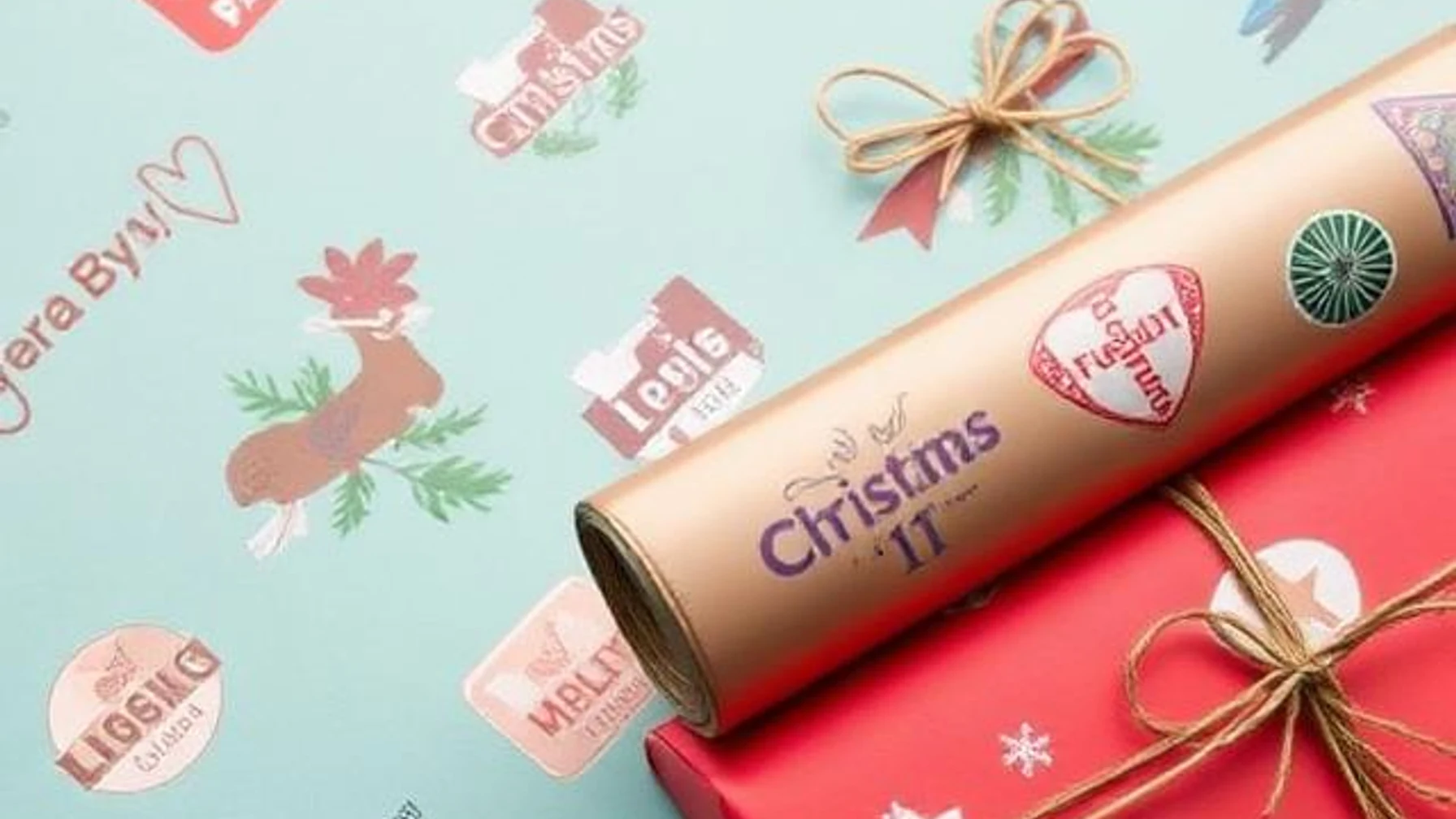
Seasonal packaging projects are especially sensitive to timing. Examples include Christmas packaging, Valentine's Day packaging, Easter packaging, Mother's Day packaging, and holiday gift programs. The challenge is not only production. Many brands are ordering for the same sales periods.
As a result, planning becomes increasingly important during peak seasons. One lesson we've learned is that seasonal packaging discussions are usually most productive when they begin earlier than the customer initially expects.
Why Artwork Approval Often Becomes The Bottleneck
Buyers sometimes focus on manufacturing lead times. In practice, artwork approval is often what slows projects down. Common issues include: last-minute design changes — changes after sampling can affect schedules. Missing print specifications — production teams often need additional details before moving forward.
Color review discussions — brand colors may require additional review before approval. None of these issues are unusual. The challenge is simply that they take time.
Sample Approval Is Often Worth The Extra Time
Some customers ask whether they can skip sampling to speed up the project. From our experience, samples usually save time rather than add time. A production sample helps verify colors, logo visibility, paper appearance, and packaging presentation. We've seen many situations where a small adjustment during the sampling stage prevented much larger changes later.
What Repeat Buyers Do Differently
Repeat customers often follow a different process. Instead of asking 'When can you produce this?' they ask 'When should we start planning?' This shift makes a significant difference. Experienced buyers usually forecast demand earlier, confirm artwork sooner, and reserve production schedules earlier. As a result, projects tend to move more smoothly.
How Different Products Affect Planning
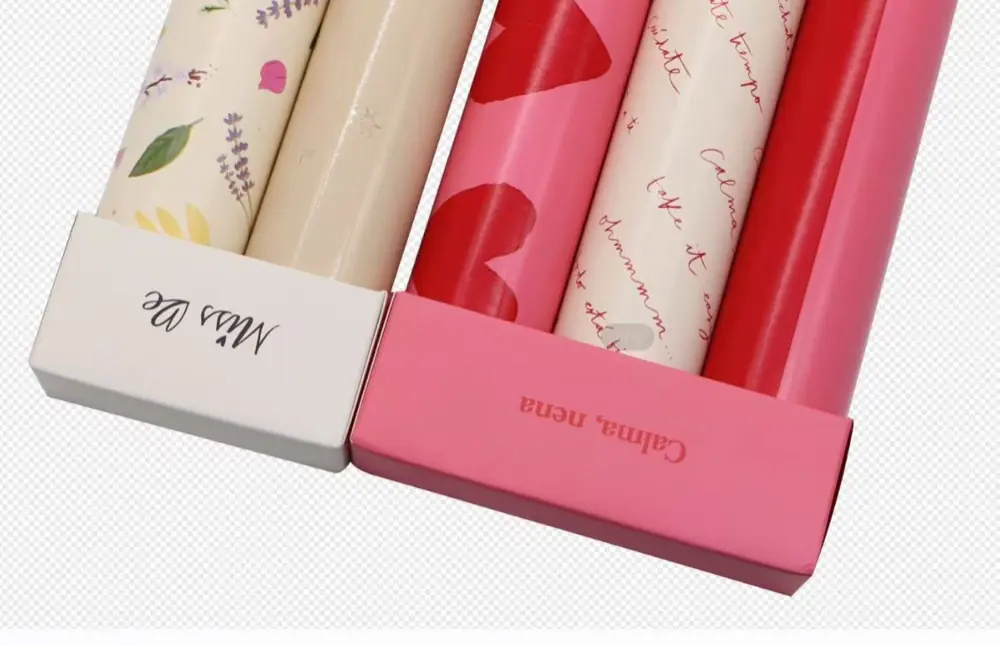
Not every packaging paper project follows the same timeline. For example: custom wrapping paper often requires artwork review and print planning. Printed tissue paper may involve logo placement and color matching discussions. FSC packaging paper — certification requirements are often discussed before production.
Food packaging paper — material performance requirements may need confirmation before approval. The complexity of the project often influences how early discussions should begin.
A Common Purchasing Mistake
One mistake we occasionally see is treating packaging paper like a stock product. A buyer assumes: if the paper is available, we can order it next week. Custom packaging rarely works this way. Custom printing, material planning, and production scheduling often require additional preparation.
Starting earlier creates more options and reduces pressure on production schedules.
Questions Buyers Should Ask Themselves
Before launching a packaging project, consider: Has the artwork been finalized? Have packaging dimensions been confirmed? Is a sample required? Is this a seasonal program?
Are there certification requirements? The answers often determine how much time the project will need.
What We Have Learned From Packaging Projects
After working on wrapping paper, tissue paper, FSC paper, and custom packaging projects, one pattern appears consistently. The best packaging projects are usually not the fastest ones. They are the best-planned ones. When customers allow sufficient time for design review, sampling, and production planning, the final result is often better and the process is significantly less stressful.
Our Approach At Wise Packaging
At Wise Packaging, we encourage customers to begin packaging discussions as early as possible. Even when final artwork is not ready, early conversations help us understand product requirements, material options, production expectations, and launch timelines. This allows potential challenges to be identified long before they affect production. In our experience, early planning is one of the simplest ways to improve the success of a packaging project.
There is no single timeline that works for every packaging paper project. However, one principle applies almost universally: the earlier planning begins, the more flexibility buyers usually have. Custom packaging involves much more than manufacturing. Artwork approval, sampling, production scheduling, and material planning all require time.
For buyers, starting packaging discussions early often leads to better decisions, smoother production, and a more successful launch overall.
Frequently Asked Questions
When should I start discussing custom packaging paper with a supplier?
Ideally before artwork and product launch plans are fully finalized. Early discussions provide more flexibility and help identify potential issues sooner.
Why do packaging projects sometimes take longer than expected?
Artwork revisions, sample approvals, material selection, and production scheduling can all affect project timelines.
Should I skip samples to save time?
In most cases, samples help prevent larger production issues later and are worth the additional time.
Are seasonal packaging projects different?
Yes. Holiday and promotional packaging programs often require additional planning because demand tends to increase around the same periods.
What is the biggest cause of packaging delays?
From our experience, artwork approval and specification changes often create more delays than manufacturing itself.
How can buyers reduce packaging project risks?
Start planning early, finalize artwork as soon as possible, communicate requirements clearly, and allow time for sample approval before production.
Exploring certified or sustainable paper?
Understand what each certification actually covers before you specify it — our FSC guide breaks it down.
Sales Manager at WiseInco · 15+ years in packaging paper industry
Helping global brands source FSC-certified gift wrapping, tissue, kraft, and greaseproof paper from our 50,000 m² factory in Dongguan, China. 5,000+ containers exported to 30+ countries annually.