How Packaging Buyers Compare Suppliers: What Matters Beyond Price
When companies start sourcing packaging paper, price is usually the first comparison point. That's completely understandable. Pricing is easy to compare. Supplier performance is much harder to evaluate. However, after working with retailers, importers, distributors, e-commerce brands, and packaging buyers for years, we've noticed something interesting. Many of the most successful packaging programs were not built around the lowest quotation. They were built around finding the right supplier. Because once production begins, factors like consistency, communication, and reliability often become more important than small price differences.
TL;DR
When companies start sourcing packaging paper, price is usually the first comparison point. That's completely understandable.
Price Matters, But It Is Rarely The Whole Story
A supplier may offer the lowest quotation for a project. That doesn't automatically make them the lowest-cost option in the long run. Packaging costs can be affected by issues such as production delays, color inconsistencies, repeat-order variations, shipping problems, and communication gaps. When any of these issues occur, the initial savings can disappear quickly.
This is why experienced buyers typically evaluate suppliers using a broader set of criteria.
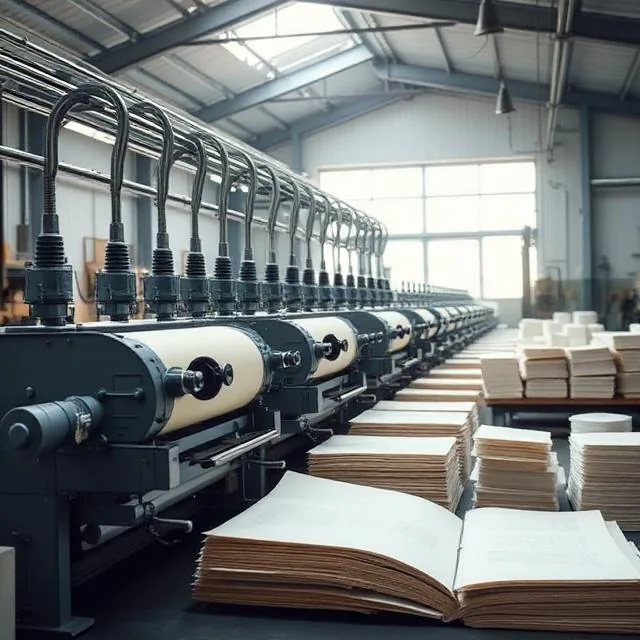
The Best Buyers Review Production Capability
Before placing an order, many experienced buyers try to understand how the supplier actually manufactures products. Typical questions include: What products do they produce regularly? A supplier producing wrapping paper every day is often more familiar with common production challenges. Can they handle custom printing?
Custom projects often require different capabilities than stock products. Can they support future growth? A supplier that works today should still be able to support the business next year.
Communication Is Often An Early Warning Sign
One of the easiest things to evaluate is communication. In many cases, buyers can learn a lot before placing an order. For example: Does the supplier ask detailed questions? Do they review artwork carefully?
Do they clarify specifications? Do they respond promptly? We've found that suppliers who spend time understanding a project early are often trying to prevent production issues later. Good communication generally reduces misunderstandings throughout the entire project.
A Common Situation We See
A customer contacts several suppliers for quotations. One supplier responds immediately with a price. Another asks detailed questions about paper type, printing requirements, packaging application, and target market. The second supplier may seem slower at first.
However, those questions often help create a more accurate production plan. Many packaging problems originate from assumptions rather than manufacturing itself. Clarifying requirements early is usually a positive sign.
Repeat Orders Reveal Supplier Quality
First orders are important. Repeat orders often tell the real story. Most packaging brands eventually need consistent colors, consistent materials, reliable lead times, and stable production quality. The ability to reproduce the same result over multiple orders is one of the strongest indicators of supplier capability.
This is why many buyers evaluate suppliers based on long-term consistency rather than a single shipment.
Sample Support Is Worth Evaluating
Samples are not only for checking product quality. They also reveal how a supplier works. Pay attention to how samples are prepared, whether feedback is addressed, how changes are managed, and how technical questions are handled. The sample stage often provides a preview of the future working relationship.
Export Experience Can Be Valuable
For international buyers, export experience is often important. Packaging production is only one part of the process. Export projects may involve shipping coordination, documentation, packaging specifications, and international requirements. Suppliers familiar with export business often have more experience managing these factors.
This can help reduce unnecessary delays and misunderstandings.
The Cheapest Supplier Is Not Always The Lowest Risk
One thing we've observed repeatedly is that risk and price are not the same thing. When evaluating suppliers, it can be helpful to ask: Can they meet delivery commitments? Can they maintain print consistency? Can they handle repeat orders?
Can they identify potential problems early? The answers often influence project success more than a small price difference.
What Experienced Packaging Buyers Usually Ask
The most experienced buyers rarely focus only on the quotation. They typically ask: What quality systems are in place? How are repeat orders managed? What happens if specifications change?
How are production records maintained? Who will manage the project? Questions like these help reveal how the supplier operates beyond the sales stage.
Why Long-Term Relationships Matter
Many packaging programs run for years. During that time, businesses may launch new products, seasonal campaigns, and market expansions. A supplier who understands the packaging history often provides more effective support than a supplier starting from scratch every time. This is one reason long-term supplier relationships can create advantages beyond pricing.
Common Mistakes When Comparing Suppliers
In working with buyers, we've observed several recurring comparison mistakes.
Choosing Based Only On Unit Price - A quotation is only one part of the overall purchasing decision.
Ignoring Communication Quality - Poor communication often creates avoidable production problems.
Evaluating Only The First Order - Packaging programs should be evaluated from a long-term perspective.
Not Asking About Repeat-Order Management - Consistency becomes increasingly important as businesses grow.
What We Have Learned From Packaging Projects
Looking across many wrapping paper, tissue paper, FSC paper, and custom packaging paper projects, one lesson appears repeatedly. The strongest supplier relationships are usually built on reliability, consistency, communication, and problem-solving. Price remains important, but these factors tend to have a larger impact over time. Successful packaging programs are rarely based on finding the cheapest supplier.
They are usually based on finding the most dependable one.
Our Approach At Wise Packaging
At Wise Packaging, we believe supplier evaluation should go beyond product specifications and quotations. When discussing packaging projects, we focus on understanding packaging goals, production requirements, brand expectations, and long-term plans. This helps us provide recommendations that support not only the current order but also future packaging development. As a Packaging Paper Manufacturer, we help buyers build strong, long-term packaging partnerships.
How to Compare Suppliers: The Factors That Matter
Price is the easiest number to compare and often the least useful on its own. The buyers who get the best outcome compare the whole capability, not just the quote.
A cheap unit price can hide weak sampling, slow response, or quality drift on repeat orders. Weigh the factors below before you commit.
Production capability: can they actually make your spec, or just resell it?
Sampling support: will they send real substrates under your conditions before you order?
Certifications: FSC, ISO, food-contact — verified, not just claimed.
Communication: slow or vague answers early usually predict problems later.
Repeat-order track record: consistency across reorders matters more than the first batch.
Total landed cost: freight, duty, and reject risk beat a low ex-works price.
Conclusion
Choosing a packaging paper supplier is not simply a purchasing decision. It is often the beginning of a long-term business relationship. While pricing will always matter, experienced buyers usually evaluate additional factors such as communication, consistency, production capability, and reliability. The most valuable supplier is often not the one with the lowest quotation, but the one that helps prevent problems before they happen.
For growing packaging programs, that difference can become increasingly important over time.
Frequently Asked Questions
What should I compare besides price when evaluating packaging suppliers?
Consider communication, production capability, quality consistency, export experience, and repeat-order reliability.
Why is communication important when choosing a packaging supplier?
Clear communication helps prevent misunderstandings and production issues throughout the project.
How can I evaluate a supplier before placing an order?
Review their sample process, technical knowledge, responsiveness, and ability to understand your packaging requirements.
Why are repeat orders important when comparing suppliers?
Most packaging programs involve ongoing purchases, so maintaining consistency over time is essential.
Does export experience matter?
For international buyers, export experience can help simplify logistics, documentation, and production planning.
What makes a strong long-term packaging supplier?
Reliability, consistency, proactive communication, and the ability to support future business growth are usually the most important factors.
Exploring certified or sustainable paper?
Understand what each certification actually covers before you specify it — our FSC guide breaks it down.
Sales Manager at WiseInco · 15+ years in packaging paper industry
Helping global brands source FSC-certified gift wrapping, tissue, kraft, and greaseproof paper from our 50,000 m² factory in Dongguan, China. 5,000+ containers exported to 30+ countries annually.