How We Choose the Right Printing Method for Custom Packaging Paper
One of the biggest misconceptions about custom packaging paper is that printing is simply putting a design onto paper. From a factory perspective, printing is where the real technical decisions begin. The same artwork can produce very different results depending on printing method, paper material, order quantity, and color requirements. Over the years, we've noticed many first-time buyers focus heavily on design while spending little time discussing how that design will actually be printed.
TL;DR
One of the biggest misconceptions about custom packaging paper is that printing is simply putting a design onto paper. From a factory perspective, printing is where the real technical decisions begin.
Why Printing Method Matters
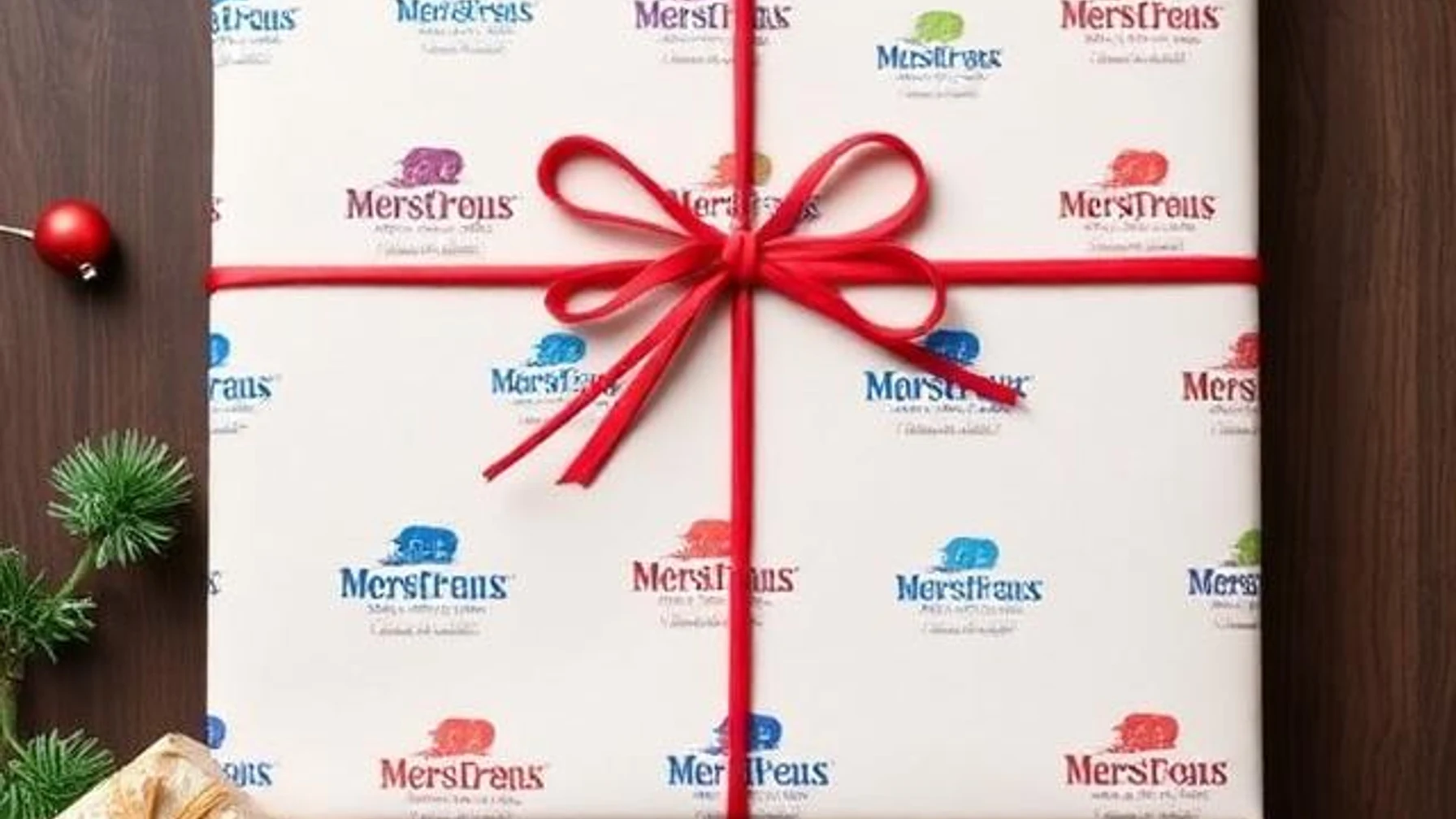
Two wrapping paper projects may look almost identical on a computer screen but require completely different manufacturing approaches. A large retail program may prioritize production efficiency. A luxury gift project may prioritize print detail. A branded tissue project may prioritize color consistency.
The best printing method depends on the objective of the project, not simply the artwork.
The First Question We Ask
When discussing a custom printed paper project, one of the first questions we ask: how much paper do you actually need? Many buyers expect us to ask about logos or colors first — but quantity often matters more. A printing method that works well for a large-volume project may not be practical for a smaller order. Production efficiency changes significantly with volume.
Flexographic Printing: Common for Large Programs
Flexographic printing is widely used in the packaging industry — food packaging, greaseproof paper, wrapping paper, and large-volume projects. The main advantage is efficiency. For businesses requiring consistent production across multiple orders, flexo is a practical solution. Customers choose this when packaging is part of an ongoing program rather than a short-term campaign.
Gravure Printing: When Consistency Matters
Gravure printing is frequently selected for projects requiring high production volumes, repeat orders, and strong color consistency. Many large packaging buyers prefer gravure because they want packaging produced today to look similar to packaging produced months later. Brand consistency becomes increasingly important as businesses grow.
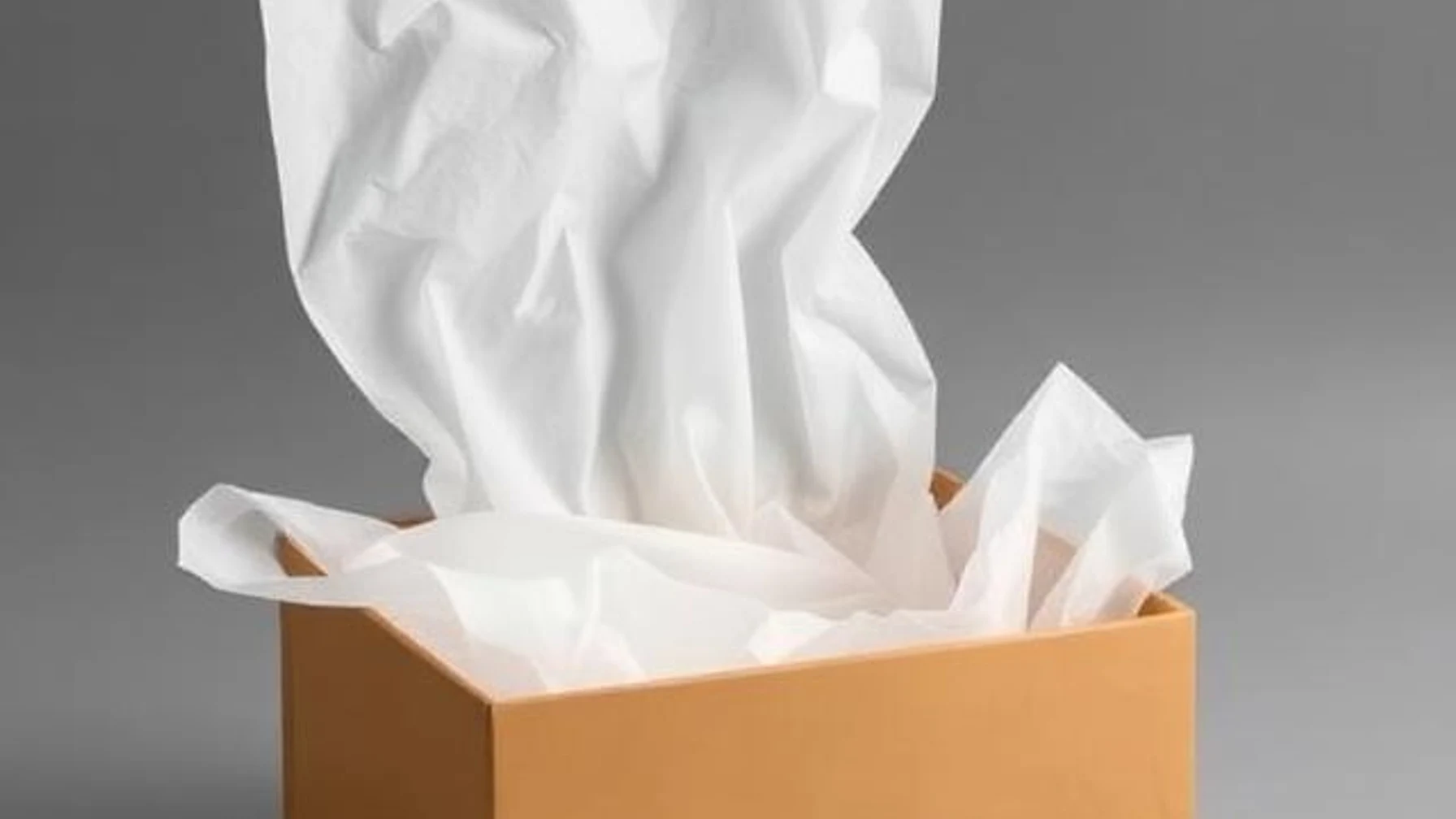
Why Tissue Paper Projects Are Different
Tissue paper creates its own challenges. The paper is thin, ink behaves differently, and color appearance can vary more noticeably than on heavier materials. Tissue projects require additional attention during sample approval and production setup. We remind customers that tissue paper should be evaluated as a finished packaging component — the final appearance inside a gift box or mailer is what matters most.
The Artwork Isn't Always Ready for Production
A situation we see regularly: the customer has professional-looking artwork that looks great on screen. Once our production team reviews it, we sometimes discover issues — tiny logo elements, overly fine patterns, difficult color combinations, or repeat alignment problems. These aren't design mistakes — they're production considerations. A design can be visually attractive and still need adjustments before printing.
What We Recommend Before Starting
Before requesting production, prepare: final artwork (fewer late-stage changes mean smoother production), quantity requirements (helps determine the most suitable method), paper preferences (different materials create different outcomes), and brand expectations (understanding the desired appearance simplifies technical decisions).
At Wise Packaging, we don't start by selecting a printing machine — we start by understanding the project. We discuss application, volume, material, branding goals, and production expectations before choosing the manufacturing approach. Successful projects rarely begin with printing technology — they begin with a clear understanding of what the packaging needs to achieve.
Conclusion
Printing is often viewed as a technical step in packaging production, but it's closely connected to branding, cost, consistency, and customer experience. The most successful projects are those where the printing method, paper material, and packaging objectives work together from the beginning.
Frequently Asked Questions
What printing method is commonly used for wrapping paper?
The answer depends on the project — flexo for medium runs, gravure for high volume with color consistency needs.
Why does paper type affect printing results?
Different paper surfaces absorb ink differently and create different visual effects, especially between coated, kraft, and tissue.
Should I approve samples before production?
Yes. Samples help verify color appearance, logo visibility, and overall packaging presentation before mass production.
Can the same artwork be used on different papers?
Usually yes, but some adjustments may be needed depending on paper material and printing method.
Why do manufacturers ask about order quantity?
Order volume influences production planning and determines the most suitable and cost-effective printing approach.
What's the most important factor in a custom printed paper project?
Aligning artwork, paper selection, production requirements, and packaging objectives before manufacturing begins.
Exploring certified or sustainable paper?
Understand what each certification actually covers before you specify it — our FSC guide breaks it down.
Sales Manager at WiseInco · 15+ years in packaging paper industry
Helping global brands source FSC-certified gift wrapping, tissue, kraft, and greaseproof paper from our 50,000 m² factory in Dongguan, China. 5,000+ containers exported to 30+ countries annually.