White Kraft Paper vs Brown Kraft Paper: Which One Do Packaging Buyers Actually Choose?
A question we receive surprisingly often: "Should we use white kraft paper or brown kraft paper?" Most buyers expect a straightforward answer. In reality, the answer depends on what the packaging is expected to achieve. Both materials have their place — wrapping paper, packaging paper, and custom printed paper — and the choice is rarely driven by technical specs alone. More often, it comes down to how the brand wants to present itself.
TL;DR
A question we receive surprisingly often: "Should we use white kraft paper or brown kraft paper?" Most buyers expect a straightforward answer. In reality, the answer depends on what the packaging is expected to achieve.
The First Question We Ask
When discussing a kraft paper project, we start with: what kind of packaging experience are you trying to create? Two brands selling similar products may choose completely different materials. A gift packaging company might prefer a clean, premium look. An organic food brand might want something natural and unprocessed.
Neither is wrong — the packaging simply needs to support the brand.
What White Kraft Paper Looks Like in Real Projects
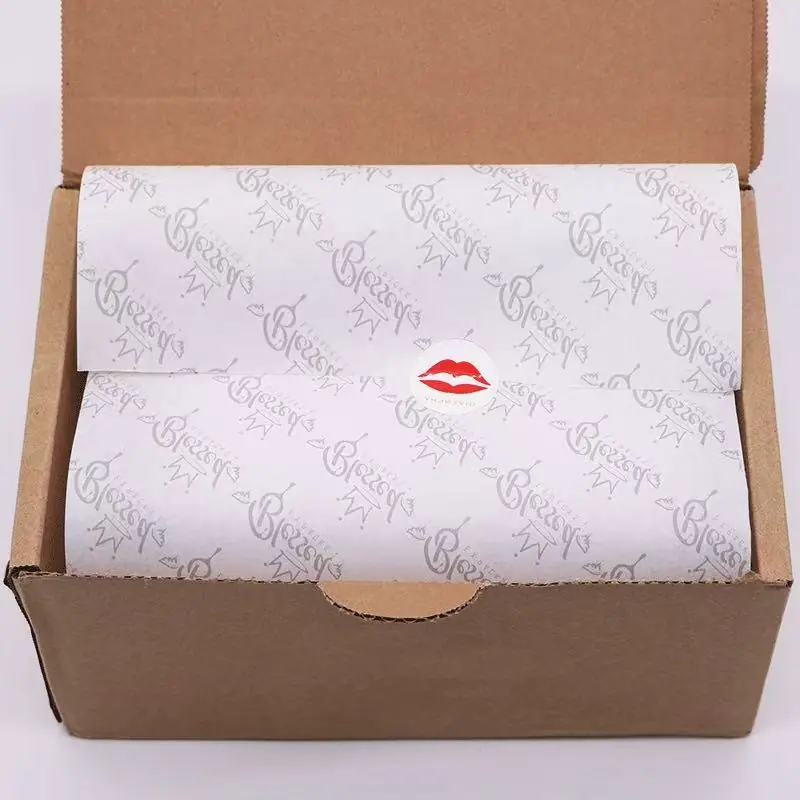
White kraft paper is often selected by brands wanting a cleaner, more polished appearance. The white surface allows logos and graphics to stand out more clearly. We commonly see it used for gift wrapping, cosmetic packaging, apparel packaging, boutique retail, and premium e-commerce. It provides a balance between natural paper characteristics and strong print presentation — not as glossy as coated, but not as rustic as brown kraft.
What Brown Kraft Paper Communicates
Brown kraft paper creates a different impression — natural, handmade, sustainable, simple. We often see it used by coffee brands, bakeries, organic products, craft businesses, and eco-focused retailers. Many customers choose brown kraft before discussing print quality. Their decision is often emotional rather than technical — they want the packaging to feel authentic.
A Project That Changed Direction After Sampling
One customer was developing packaging for a new gift product range. Initially, they were confident white kraft was right — the artwork looked excellent on screen, the branding team liked the clean look. After reviewing physical samples, the discussion changed. Once the product was placed alongside both paper options, brown kraft unexpectedly felt more aligned with the product story — less formal, more approachable.
The final decision had little to do with paper specifications and everything to do with how the product was perceived.
Printing Performance Differences
White kraft paper generally offers higher visual contrast, better visibility for lighter colors, and cleaner logo presentation. Brown kraft paper creates softer color appearance, more natural aesthetics, and less contrast for certain colors. Neither is better — the question is whether branding should stand out or blend naturally into the packaging.
Common Mistakes We See
Choosing based only on screen images — digital mockups are helpful but rarely tell the full story. Physical samples often lead to different conclusions. Focusing only on material cost — the cheapest paper isn't always the most effective packaging solution. Treating every product the same — what works for cosmetics may not work for food.
At Wise Packaging, we rarely recommend white or brown kraft before understanding the application. We discuss product type, target market, branding requirements, printing needs, and packaging objectives. Once those are clear, the material decision becomes straightforward. The right answer depends on the packaging, not the trend.
What Actually Drives the Choice Between White and Brown Kraft
White and brown kraft start from the same wood-pulp base; the visible difference is bleaching and shade, not strength. The real decision is about the signal you want to send and the print and coating requirements of your project.
Buyers often ask which is 'better', but the useful question is which one fits the brand, the printing method, and any food-contact or certification rules. Share your use case and we will point to the right grade.
Brand signal: white reads clean and premium; brown reads natural and rustic — choose by positioning, not by assumption.
Printability: white takes full-colour and fine detail more predictably; brown needs opacity-aware ink and colour choices.
Coating options: both come coated or uncoated; coating changes look, barrier, and the recycling path.
Certification scope: FSC or Recycled claims apply to either shade — confirm the exact grade your market requires.
End-use: food contact may need a specific lining regardless of colour; tell us the application.
Conclusion
White and brown kraft paper are often compared as if one is better than the other. From a manufacturer's perspective, that's the wrong question. The more useful question: which paper helps communicate the right message for the product? White kraft offers a cleaner, more refined presentation.
Brown kraft creates a more natural, authentic look. Both work well when matched with the right product, brand, and customer expectations.
EU PPWR Update: Why Kraft Paper Fits the Regulation
The EU PPWR, phasing in from 2025-2027, rewards packaging that is recyclable and made from a single material. Kraft paper - both white and brown - is a strong fit: it is a single-material cellulose substrate with high recyclability, and brown kraft in particular carries a high post-consumer recycled-content potential.
Within a PPWR-aligned sourcing strategy, unbleached brown kraft often holds the edge on recycled-content goals, while white kraft delivers a clean print surface for branded packaging without leaving the recyclable paper stream. Either way, the buyer's job is to confirm the sheet is single-material and FSC-certified where chain-of-custody is required.
We supply both white and brown kraft with FSC chain-of-custody certification available, and we provide material-composition details on request so you can document recyclability under your market's rules. See our certifications and compliance page for the documentation we can issue.
Frequently Asked Questions
What is the difference between white and brown kraft paper?
White kraft offers a cleaner, brighter appearance. Brown kraft creates a more natural, traditional packaging look.
Which paper is better for custom printing?
White kraft often provides stronger visual contrast, but both materials can be printed depending on project requirements.
Is white kraft paper suitable for gift packaging?
Yes. Many gift brands use white kraft for its clean branding and premium presentation.
Do sustainable brands always choose brown kraft?
Not necessarily. Material selection depends on branding goals, product requirements, and packaging strategy.
Should I request samples before choosing kraft paper?
Yes. Physical samples are the best way to compare appearance, print quality, and overall packaging presentation.
How do I decide between white and brown kraft?
Start by considering how you want the packaging to be perceived by customers, then evaluate samples that match your branding.
Need white kraft paper?
Tell us your specs and order volume — we’ll quote standard, coated, or recycled options.
Sales Manager at WiseInco · 15+ years in packaging paper industry
Helping global brands source FSC-certified gift wrapping, tissue, kraft, and greaseproof paper from our 50,000 m² factory in Dongguan, China. 5,000+ containers exported to 30+ countries annually.