Waterproof Treatment in Packaging Paper Printing: When Is It Necessary and What Should Buyers Know?
One question that occasionally comes up during packaging discussions is: 'Can the paper be made waterproof?' Interestingly, many customers request waterproof packaging paper before fully defining how the packaging will be used. From a factory perspective, waterproof treatment is not automatically necessary for every packaging project. In fact, we've seen customers pay for performance they never actually needed, while others underestimated the importance of moisture resistance until packaging problems appeared later. The key is understanding the application first. The right solution depends less on the paper itself and more on the environment in which the packaging will be used.
TL;DR
One question that occasionally comes up during packaging discussions is: 'Can the paper be made waterproof?' Interestingly, many customers request waterproof packaging paper before fully defining how the packaging will be used. From a factory perspective, waterproof treatment is not automatically necessary for every packaging project.
Waterproof And Water-Resistant Are Not Always The Same Thing
One of the first things we clarify with customers is terminology. Many buyers use the word 'waterproof' to describe several different requirements. Sometimes they mean protection from humidity, resistance to light moisture, resistance to condensation, or short-term exposure to water. Other times they mean complete water protection.
These are very different performance expectations. Understanding the actual usage conditions is usually the first step in selecting an appropriate packaging paper solution.
Why More Customers Are Asking About Moisture Resistance
A few years ago, most discussions focused on printing quality, packaging appearance, and branding. Today, packaging often moves through more complex supply chains. Products may spend time in warehouses, fulfillment centers, international shipping environments, and last-mile delivery networks. As a result, some customers have become more concerned about how packaging performs when exposed to varying environmental conditions.
A Common Packaging Challenge
A situation we occasionally encounter involves e-commerce packaging. A customer develops attractive printed packaging paper that performs well during production trials. However, the packaging later encounters humid environments, long transportation routes, or seasonal weather conditions. The issue isn't necessarily the printing.
It is that the paper is being used in a more demanding environment than originally expected. This is why application discussions are often more important than the paper specification itself.
Which Packaging Applications Commonly Require Water Resistance?
Not every packaging paper project requires additional moisture protection. However, customers frequently ask about water resistance for food packaging — certain food packaging applications may encounter moisture, grease, or condensation. E-commerce packaging — packages sometimes travel through changing environmental conditions. Floral packaging — fresh flowers often introduce moisture-related challenges.
Outdoor promotional packaging — products used outdoors may have different performance requirements.
Why Printing Should Be Discussed Together With Waterproof Requirements
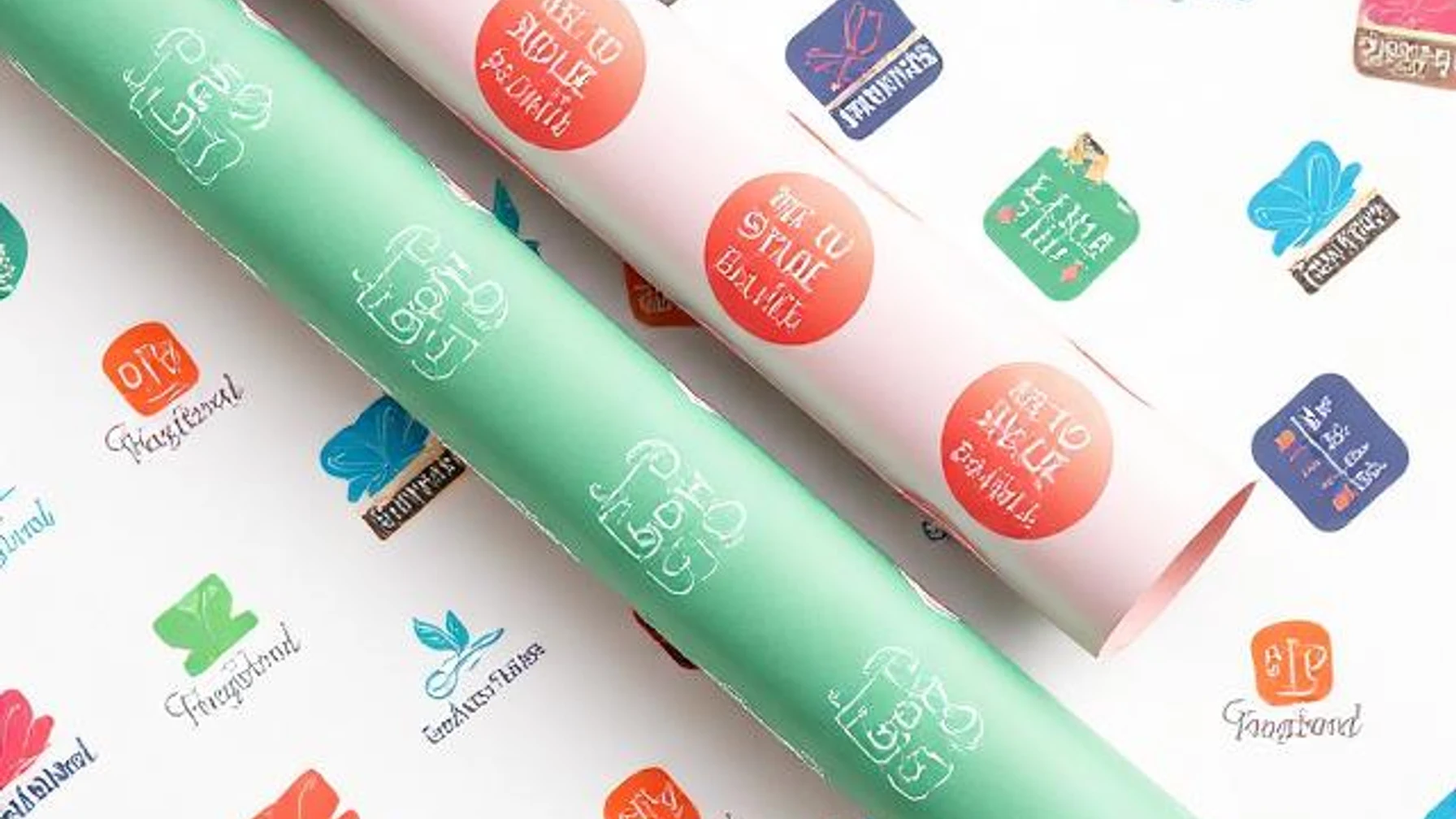
A common mistake is treating waterproof treatment and printing as separate decisions. From a production perspective, the two are closely linked. Questions we typically discuss include: Will the packaging use custom printing? How much ink coverage is required?
What appearance does the customer expect? How will the paper be handled after printing? The goal is ensuring that functionality and presentation work together rather than competing with each other.
What Buyers Usually Focus On
When customers first inquire about waterproof packaging paper, they often focus on protection. After a few discussions, additional priorities usually emerge. For example: appearance — the packaging still needs to look professional. Brand consistency — printed colors and logos must remain effective.
Packaging performance — the paper must function in the intended environment. Cost efficiency — performance should match the actual requirement. The most successful projects balance all of these factors.
Why Testing Matters
We've found that moisture-related packaging decisions benefit significantly from testing. A paper that performs well in one environment may behave differently in another. This is particularly important when packaging is used for international shipping, food products, seasonal products, or outdoor applications. Reviewing samples under realistic conditions often provides valuable information before large-scale production begins.
Common Misunderstandings About Waterproof Packaging Paper
In working with buyers, we've observed several recurring misunderstandings.
More Protection Is Always Better - Not necessarily. Adding unneeded features may increase complexity without value.
All Packaging Paper Requires Waterproof Treatment - Most applications do not require maximum moisture protection.
Waterproof Performance Is The Only Consideration - Packaging still needs to support branding, printing quality, and customer experience.
Moisture Issues Are Always Material Problems - Environmental conditions and packaging design also influence performance.
What We Have Learned From Packaging Projects
One lesson appears repeatedly. The customers who achieve the best results usually start by describing the application rather than requesting a specific paper. Instead of saying 'We need waterproof paper,' they explain 'This packaging will be used in refrigerated environments' or 'The package may experience humidity during shipping.' That information makes it much easier to recommend an appropriate solution.
Our Approach At Wise Packaging
At Wise Packaging, discussions about moisture-resistant packaging typically start with understanding the project. We usually ask: What product is being packaged? Where will the packaging be used? How long will it remain in service?
Will custom printing be required? What environmental conditions may affect the packaging? These conversations help ensure that packaging performance is aligned with real-world requirements. In our experience, the best packaging solutions are the ones that provide the right level of protection without adding unnecessary complexity.
Waterproof treatment can play an important role in certain packaging paper applications, but it is not a universal requirement. Successful packaging projects begin by understanding the environment in which the paper will be used and then selecting a solution that matches those conditions. From what we've seen across packaging projects, the most effective approach is not asking for the highest level of protection possible. It is identifying the level of protection the application actually requires.
That usually leads to better packaging performance, better cost efficiency, and a more successful final product.
Frequently Asked Questions
What is waterproof packaging paper?
Waterproof packaging paper refers to paper designed to resist moisture exposure in specific packaging environments.
Is waterproof packaging paper necessary for all packaging projects?
No. The need for moisture resistance depends on the product, environment, and packaging application.
Can waterproof packaging paper be custom printed?
Yes. Many moisture-resistant packaging papers can still be custom printed depending on project requirements.
What industries commonly request moisture-resistant packaging paper?
Food packaging, floral packaging, e-commerce packaging, and certain promotional applications frequently discuss moisture resistance.
Should moisture resistance be tested before production?
Yes. Testing samples under realistic usage conditions is often the best way to evaluate performance.
How do I know if my packaging requires waterproof treatment?
Start by evaluating how the packaging will be stored, transported, and used. Environmental conditions often determine the appropriate level of protection.
Need help sourcing the right paper?
Unsure if your packaging needs moisture protection? Contact us to discuss your application and find the right solution.
Sales Manager at WiseInco · 15+ years in packaging paper industry
Helping global brands source FSC-certified gift wrapping, tissue, kraft, and greaseproof paper from our 50,000 m² factory in Dongguan, China. 5,000+ containers exported to 30+ countries annually.