How Packaging Design Influences Carbon Footprint: What We Often Discover During Packaging Reviews
When companies begin discussing carbon footprint reduction, the conversation often starts with materials. Should we switch paper types? Use recycled materials? Those are reasonable questions. However, after working on many packaging projects, we have noticed that the biggest opportunity is often not the paper itself -- it is the packaging design.
TL;DR
When companies begin discussing carbon footprint reduction, the conversation often starts with materials. Should we switch paper types?
Why Design Matters Earlier Than Buyers Think
Many projects begin with artwork. Only later does someone ask if the packaging structure is actually necessary. Simple questions earlier have significant impact: does the product need multiple layers? Can packaging be simplified?
A Common Situation
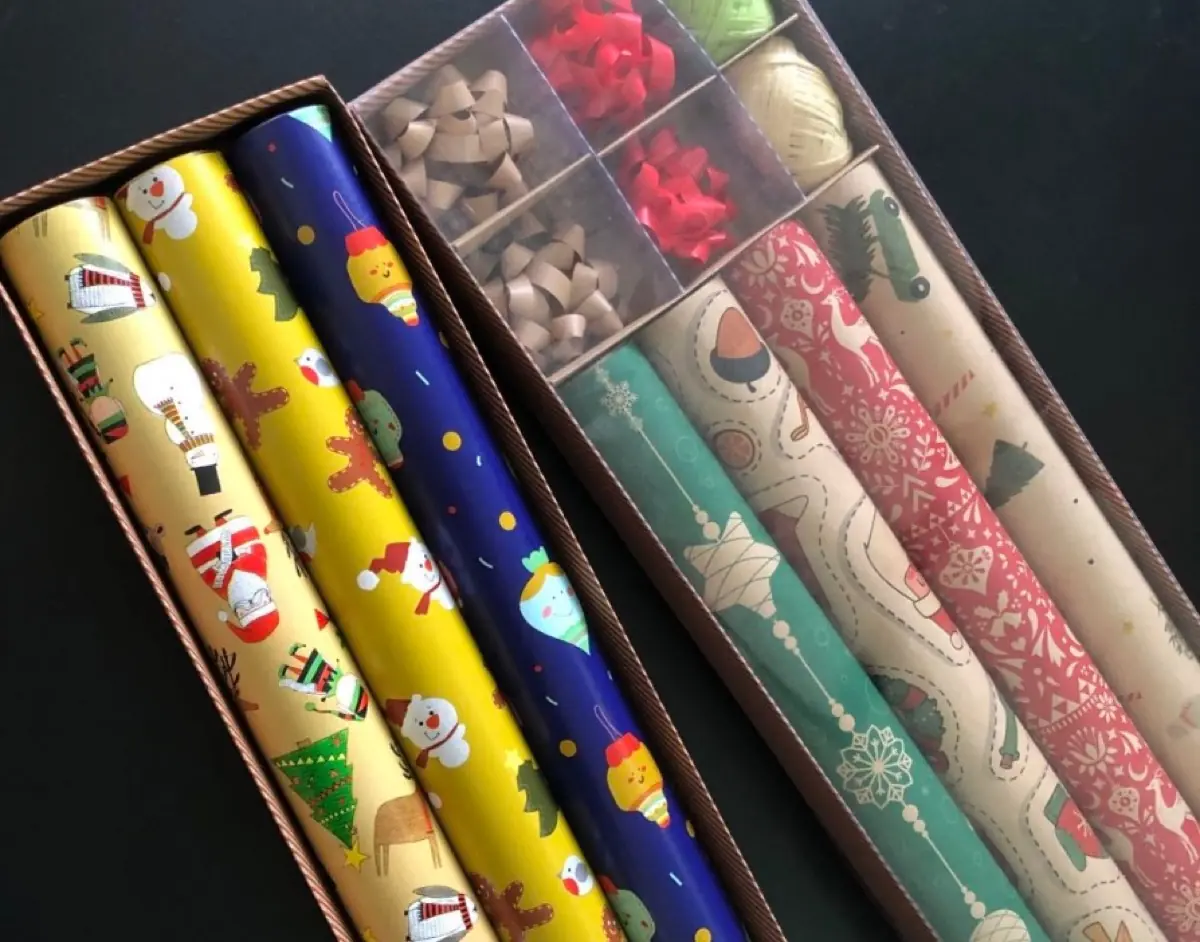
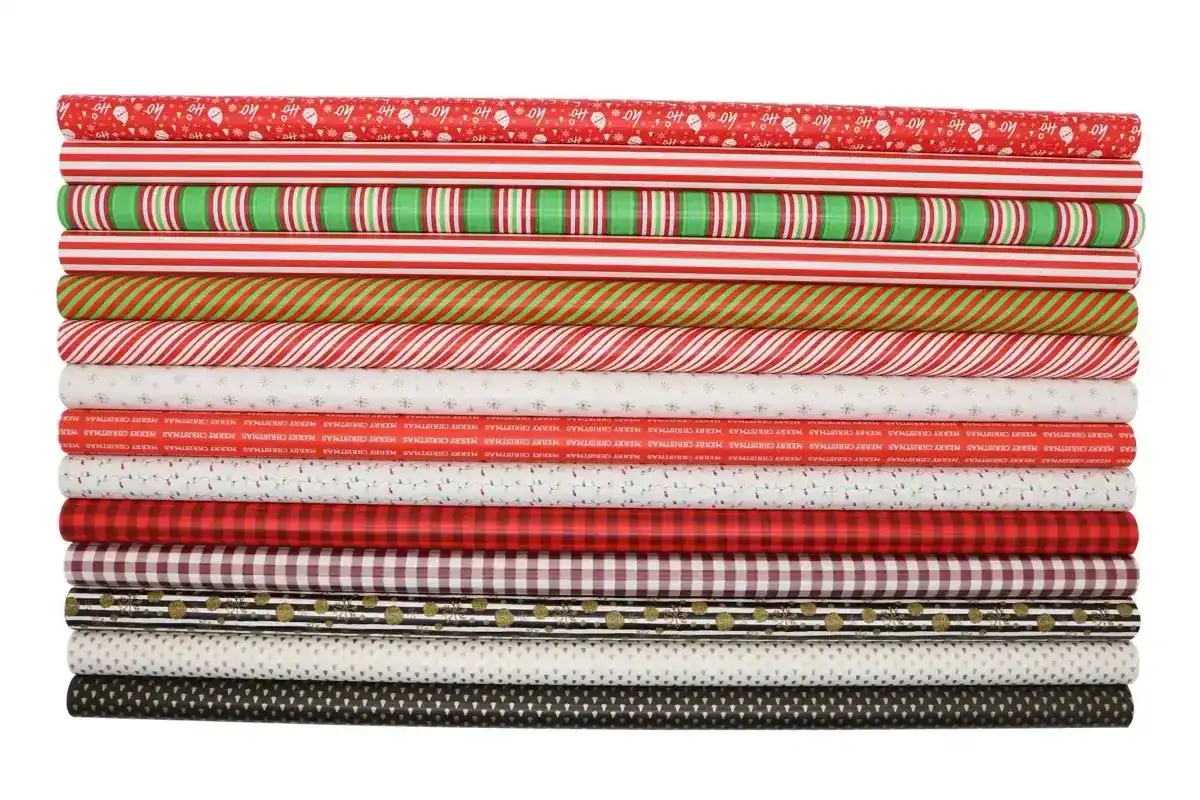
A customer contacts us about custom printed wrapping paper. Once reviewed, it sometimes becomes clear the packaging system contains several layers. Individually none appears excessive. Together they create a structure more complicated than necessary.
Simplifying achieves the same presentation while reducing material usage.
Conclusion
Reducing carbon footprint is not always about changing materials. Sometimes the biggest opportunities come from rethinking packaging design itself. A well-designed system can achieve the same branding and experience goals while using resources more efficiently.
Material Choices vs. Structural Decisions
While material selection such as recycled paper or FSC-certified stock gets most of the attention in sustainability discussions, structural design often has a bigger impact on carbon footprint. A 10% reduction in paper weight through smarter folding, more efficient sheet layouts, or eliminating unnecessary layers can reduce material consumption across an entire production run without affecting visual quality.
In our experience at Wise Packaging, one retail client reduced their annual paper consumption by 3.2 tonnes simply by consolidating two separate packaging layers into a single reinforced sheet. The customer experience remained identical, but the carbon savings over three years have been measurable.
This is why we encourage buyers to involve packaging engineers early in the design process, not just graphic designers. The structural decisions made at the concept stage determine 70-80% of a package's environmental impact before a single sheet is printed.
Practical Steps to Reduce Packaging Carbon
For importers and procurement managers who want to make measurable progress on carbon reduction, we recommend starting with a packaging audit rather than jumping straight to alternative materials. An audit identifies over-specification, redundant packaging layers, and opportunities for standardization that reduce emissions without changing the customer experience.
Three areas consistently deliver the fastest carbon savings: right-sizing the packaging to the product eliminating void fill, switching from multi-material laminates to single-material recyclable designs, and optimizing sheet layouts to minimize trim waste during production. Each of these changes typically reduces carbon footprint by 5-15% individually.
At Wise Packaging, our production team regularly reviews customer specifications with sustainability in mind. When buyers approach us with a packaging concept, we can often suggest structural modifications that maintain the same premium feel while reducing material usage, which directly lowers both carbon footprint and per-unit cost.
Starting a Packaging Carbon Review
The best time to review packaging is before a new program launches, but existing lines benefit too. Gather the current specification, the product dimensions, and the channels where the packaging is used, then share them with your supplier early so structural options can be compared alongside material choices. At Wise Packaging we prefer to see the full picture first — print, substrate, format, and filling method — because the carbon savings usually appear where the layers meet, not in any single component.
Frequently Asked Questions
How does packaging design affect carbon footprint?
Design influences material usage, production efficiency, transportation, storage, and overall complexity.
Is changing paper the best way to reduce footprint?
Not always. Structure and design sometimes create larger improvement opportunities.
Can simpler packaging still look premium?
Yes. Many brands achieve strong presentation through thoughtful design rather than additional components.
Why should design be reviewed early?
Early reviews provide more flexibility to improve both efficiency and customer experience.
What is the most common mistake?
Focusing on material selection while overlooking packaging structure and design.
How can a manufacturer help?
By evaluating design, material utilization, production considerations, and long-term objectives together.
Exploring certified or sustainable paper?
Understand what each certification actually covers before you specify it — our FSC guide breaks it down.
Sales Manager at WiseInco · 15+ years in packaging paper industry
Helping global brands source FSC-certified gift wrapping, tissue, kraft, and greaseproof paper from our 50,000 m² factory in Dongguan, China. 5,000+ containers exported to 30+ countries annually.