How a Packaging Structure Review Improved Efficiency Without Changing the Product Experience
Many companies assume packaging optimization requires a major redesign. In reality, some of the most successful projects involved relatively small structural changes. One particular project reminds us why packaging reviews can be valuable even when customers are generally satisfied with their existing packaging.
TL;DR
Many companies assume packaging optimization requires a major redesign. In reality, some of the most successful projects involved relatively small structural changes.
The Original Situation
The customer had gradually expanded their product range over several years. As new products were introduced, additional packaging elements were added to support product launches, marketing campaigns, retail requirements, and internal procedures. This is something we see frequently -- packaging systems evolve over time rather than being designed all at once.
A mid-sized cosmetics importer approached us after a routine supplier review. Their gift wrapping paper and inner protection looked appropriate on the shelf, and unit cost had been stable for two years. Internally, however, the operations team reported rising pack-out times and increasing damage claims during peak season.
The Packaging Still Looked Good
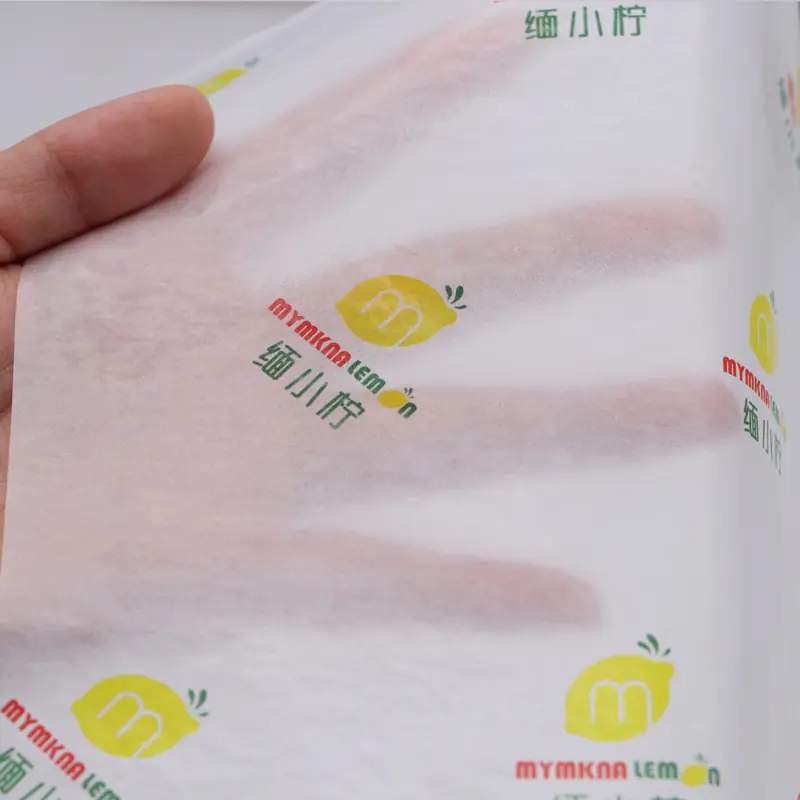
From a branding perspective the package performed well: branded tissue, custom packaging paper, inserts, and decorative components. From an operational perspective, however, the process had become increasingly complex. Packing teams needed additional handling steps. Inventory teams tracked multiple components.
Ordering schedules became more difficult to manage. The issue was not appearance -- it was efficiency.
From a marketing perspective the unboxing experience was strong. The printed tissue and outer wrap delivered the premium feel the brand wanted. There was no aesthetic reason to change anything, which is precisely why the inefficiency had survived multiple cost rounds.
What the Review Discovered
Several packaging components were performing overlapping functions. At different points in time, each addition made sense. Viewed together, they created unnecessary complexity. This did not mean poor decisions had been made -- it simply reflected years of gradual changes without a full system review.
Mapping the actual pack-out revealed the program used four separate packaging components where two could perform the same function. Two of them existed to compensate for weaknesses in the others rather than to add independent value.
Simplification Without Redesign
The solution was not removing everything. It was making individual components work harder. Instead of relying on multiple elements to achieve a single objective, the structure was streamlined. Several functions were consolidated into fewer components.
The visual experience remained familiar to customers.
Crucially, the brand did not need a new artwork or a different paper grade. We kept the existing gift wrapping paper and printed tissue, then adjusted the structure: one reinforced sheet replaced two, and the redundant inner layer was removed for the affected SKUs.
What We Learned
Packaging complexity grows gradually, not overnight. Small changes can create meaningful improvements. Packaging should be evaluated as a system. Branding and efficiency can work together.
At Wise Packaging, optimization projects begin with questions rather than paper specs. We review workflow, customer objectives, product presentation, material usage, and fulfillment processes before recommending changes. The goal is not simply to reduce materials -- it is to build systems that remain practical, efficient, and consistent as businesses grow.
The savings came not from buying cheaper material but from removing structural redundancy. The brand's annual packaging spend barely moved on paper cost, yet total cost of ownership dropped through reduced labor, lower damage, and simpler inventory.
Metrics That Signal Hidden Inefficiency
Operations teams can spot structural problems early using a few simple indicators: pack-out time per unit trending upward, damage rates that spike with volume, and inventory counts of packaging SKUs growing faster than product SKUs. None of these show up on a packaging quotation.
We encourage buyers to share these operational metrics with their packaging supplier. A manufacturer who only sees the artwork brief will optimize the wrong thing; one who sees the floor data can address root cause.
When to Run a Structure Review
The best moments to review are after a product line change, before a peak season, or whenever pack-out labor cost becomes a noticeable line item. Even a two-hour structured review often surfaces one change worth more than a full year of material-price negotiation.
At Wise Packaging we offer this as a standing service, because the brands that review regularly are also the ones whose packaging keeps improving instead of quietly accumulating complexity.
How to Run a Structure Review on Your Own Packaging
A structure review is not a redesign — it is a check of whether every component still earns its place. You can run the same exercise on your own line without outside data.
Start from function, not habit. The steps below are the method behind the review.
Baseline your current pack: list every material, its weight, and what it protects.
Map each component to a function — if none, flag it as a candidate to cut.
Quantify the gap: estimate unit material and handling cost per removed component.
Pilot before committing: validate protection with a small run, not a guess.
Document the new standard so the simplification sticks on reorders.
Conclusion
One of the biggest misconceptions about packaging optimization is that improvement requires major redesigns. Many successful projects start with something much simpler: a careful review of the existing packaging structure. The most effective systems are not the most complicated ones -- they are the ones where every component serves a clear purpose.
Efficiency case studies like this one rarely make headlines, because the headline is 'nothing changed for the customer.' For the business, however, the quiet removal of waste is exactly where durable margin is found.
Frequently Asked Questions
What is packaging structure optimization?
Reviewing packaging components, workflows, and materials to improve efficiency while maintaining brand presentation.
Does optimization always mean reducing materials?
No. Many projects focus on simplifying workflows or improving operational efficiency.
How often should a company review packaging structure?
If products, fulfillment processes, or branding strategies have changed significantly, a review is often worthwhile.
Can packaging be simplified without affecting experience?
Yes. Many successful projects remove redundant elements while maintaining overall presentation.
What is the biggest sign that packaging needs review?
When it becomes increasingly difficult to manage or no longer reflects current business requirements.
How can a manufacturer help?
By reviewing workflows, material usage, packaging objectives, and operational requirements together.
Need help sourcing the right paper?
Not sure if your packaging structure could be more efficient? Let us review your current setup -- sometimes the best improvements come from what you already have.
Sales Manager at WiseInco · 15+ years in packaging paper industry
Helping global brands source FSC-certified gift wrapping, tissue, kraft, and greaseproof paper from our 50,000 m² factory in Dongguan, China. 5,000+ containers exported to 30+ countries annually.