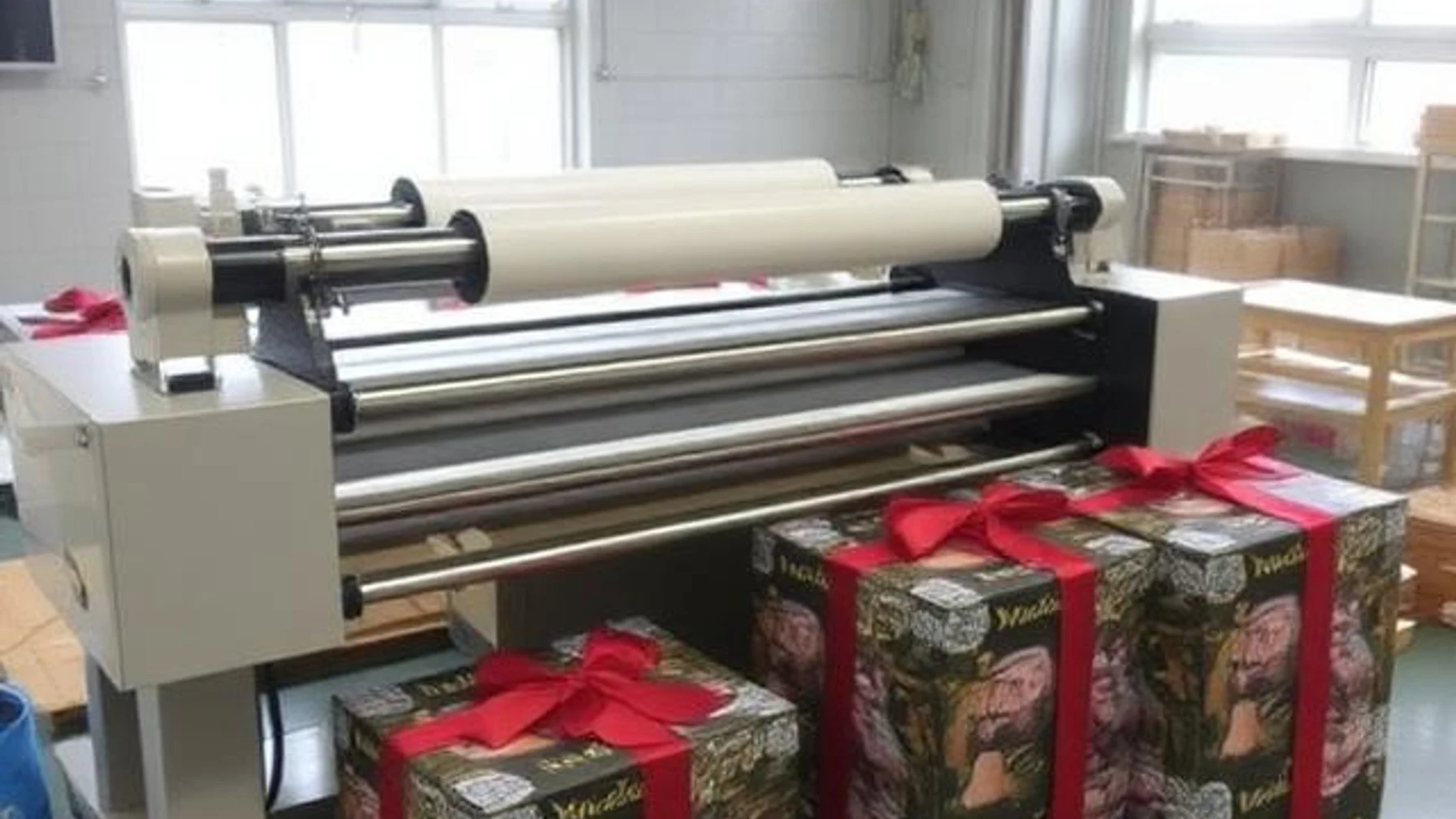
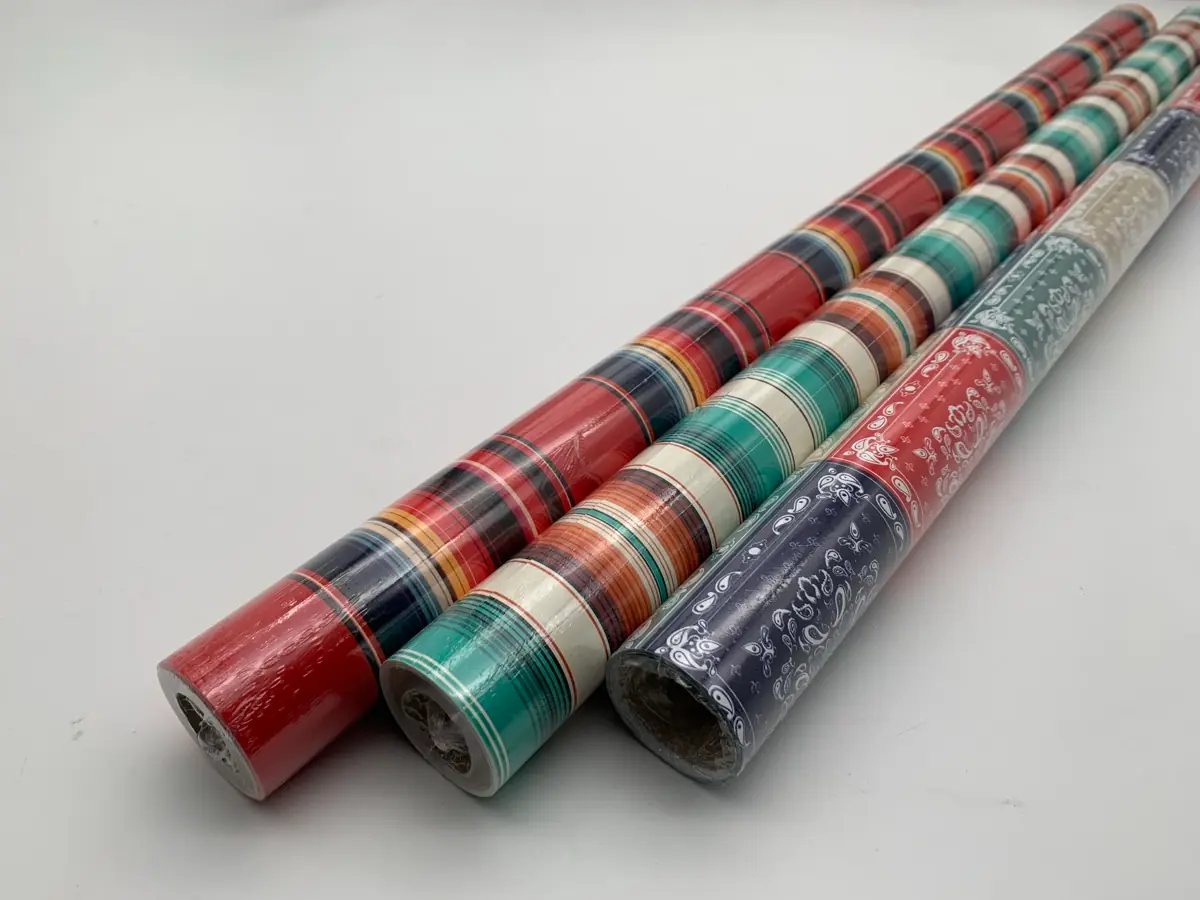
Quality inspection is an important part of paper packaging procurement. Even when product specifications are clearly defined, buyers often perform a final quality review before shipment. This is particularly common for gift wrapping paper, tissue paper, packaging paper, and printed paper products. A structured inspection process can help buyers verify that products match approved specifications before delivery.
TL;DR
Quality inspection is an important part of paper packaging procurement. Even when product specifications are clearly defined, buyers often perform a final quality review before shipment.
Why Packaging Quality Inspection Matters
Packaging issues may affect product presentation, printing consistency, material usability, and customer satisfaction. For this reason, many procurement teams include quality inspection as part of their purchasing process. Inspection activities help verify that production results align with approved expectations.
Start With Approved Specifications
Before inspection begins, buyers should have access to approved artwork, product specifications, material requirements, and packaging instructions. Inspection becomes more effective when results are compared to documented requirements rather than subjective opinions.
Check Paper Specifications
One of the first inspection steps is verifying paper specifications. Typical checks may include: GSM Verification — confirming the paper matches the approved weight. Size Verification — reviewing sheet dimensions or roll sizes. Material Type — confirming the correct paper grade was used. Surface Characteristics — reviewing finish and texture requirements. Specification compliance is often the foundation of the inspection process.
Evaluate Printing Quality
Printing quality is a major inspection category for custom paper packaging. Areas commonly reviewed include: Color Consistency — colors should align with approved references. Logo Clarity — brand elements should remain sharp and readable. Pattern Consistency — repeated graphics should appear uniform. Registration Accuracy — printed elements should be aligned correctly. These factors help determine whether the printed product meets design expectations.
Review Paper Appearance
Visual inspection often includes surface cleanliness, uniform appearance, color consistency, and visible defects. Packaging papers should be reviewed under appropriate lighting conditions to identify potential issues.
Check Cutting Accuracy
Dimensional accuracy is often important for packaging projects. Inspection may include verification of roll width matching approved specifications, sheet size conforming to required dimensions, and edge quality with cuts appearing clean and consistent. Accurate dimensions help support downstream packaging operations.
Inspect Roll Quality
For roll-based packaging paper, buyers often evaluate roll diameter, winding consistency, core quality, and edge alignment. Proper roll construction can help improve handling and converting performance.
Review Packaging And Labeling
Finished product inspection often extends beyond the paper itself. Common checks include carton condition (packaging should be intact), label accuracy (product labels should match documentation), quantity verification (packing quantities should align with approved requirements), and shipping marks (customer instructions should be applied correctly when required).
Check For Common Printing Defects
Common defects buyers often monitor include smudging, ink contamination, missing print areas, color variation, and misaligned graphics. Identifying issues before shipment can help prevent downstream challenges.
Verify Order Consistency
Large production runs should maintain consistency throughout the order. Inspection teams often review samples from multiple production units to verify uniformity. Consistency is particularly important for branded packaging programs.
Document Inspection Findings
Inspection reports may include product photos, specification results, defect observations, and quantity verification. Documentation helps create a reference for both supplier and buyer discussions.
Common Inspection Mistakes
Focusing only on printing — material specifications should also be verified. Skipping quantity checks — order accuracy remains important. Comparing products against memory — inspections should use approved specifications. Inspecting too late — inspection is typically most effective before shipment.
What We Have Learned From Packaging Projects
Across many paper packaging projects, one lesson appears consistently. Quality inspection is most effective when expectations are clearly defined before production begins. When buyers and suppliers work from the same specifications, inspection results are often easier to evaluate and discuss.
Our Approach At Wise Packaging
As a paper packaging manufacturer, Wise Packaging involves quality discussions that include material specifications, printing requirements, packaging details, production consistency, and inspection expectations, because clear quality standards help support smoother packaging projects.
Conclusion
Paper packaging quality inspection helps buyers verify that finished products align with approved specifications before shipment. By reviewing material properties, print quality, dimensions, packaging requirements, and order consistency, businesses can improve visibility into product quality and procurement outcomes. From our experience, successful inspections begin with clear specifications and structured evaluation criteria.
Sales Manager at WiseInco · 15+ years in packaging paper industry
Helping global brands source FSC-certified gift wrapping, tissue, kraft, and greaseproof paper from our 50,000 m² factory in Dongguan, China. 5,000+ containers exported to 30+ countries annually.