A Common Wrapping Paper Project: How Early Material Selection Helped Avoid Costly Revisions
Most people assume design comes first and materials come second in custom wrapping paper projects. It seems logical: create artwork, print it, move forward. In reality, we've seen many situations where material selection had a greater impact on the final result than the artwork. This article is based on a typical project we see regularly — one that illustrates why discussing materials early can save time, reduce revisions, and deliver better packaging.
TL;DR
Most people assume design comes first and materials come second in custom wrapping paper projects. It seems logical: create artwork, print it, move forward.
The Initial Inquiry
A customer contacted us looking for custom gift wrapping paper for a new retail packaging program. The requirements appeared straightforward: custom logo pattern, repeating design, premium appearance, large-area color background. The artwork was already prepared. The customer wanted quotations quickly.
But one important specification was still undecided — which paper to use.
The Customer's First Assumption
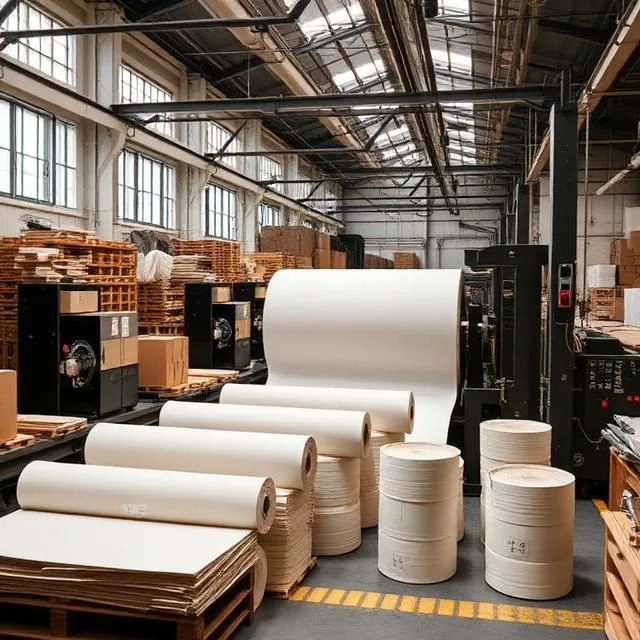
Like many first-time buyers, the customer initially assumed: "If the artwork is correct, the paper won't make much difference." This is understandable — most people evaluate packaging visually. But the same design produces very different results depending on the paper. We discussed three options: coated wrapping paper (bright color, strong impact, less natural appearance), kraft paper (sustainable image, natural texture, colors appear softer), and premium specialty paper (higher perceived value, distinctive texture, higher cost).
Why We Recommended Sampling
Rather than selecting a material based only on descriptions, we recommended producing physical samples — something we suggest whenever color appearance is critical, multiple paper options are being considered, or packaging will be customer-facing. What looks ideal on a computer screen doesn't always create the same result on actual paper.
What Became Clear During Sample Evaluation
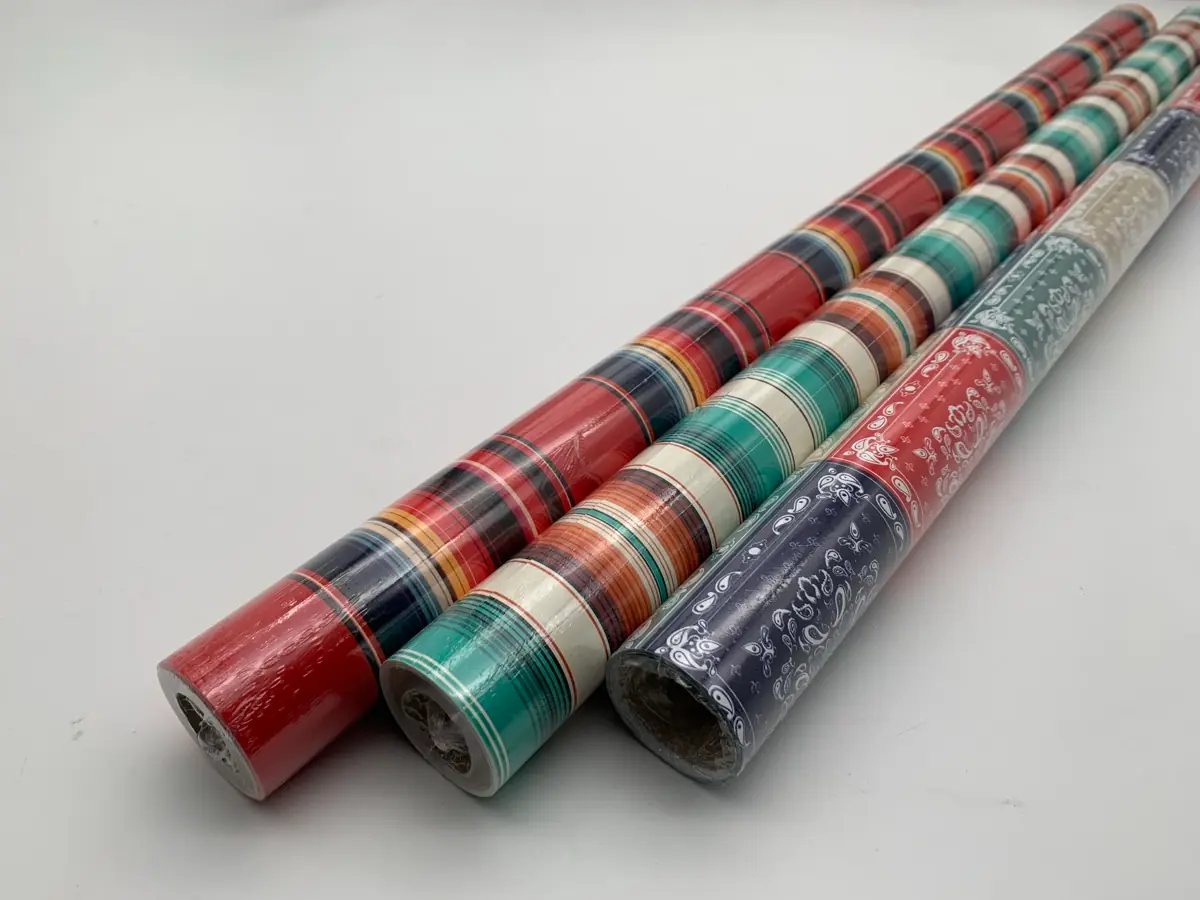
Once samples were produced, the differences were obvious. The same artwork appeared noticeably different across paper types. Coated paper: stronger colors, sharper logos, higher contrast. Kraft paper: softer colors, more natural presentation.
Neither result was wrong — they created different packaging impressions. The discussion quickly shifted from "Which paper is cheapest?" to "Which paper best represents the brand?" That perspective change leads to better decisions.
The Revision That Never Happened
One of the most valuable outcomes of sampling is identifying issues before production. During this project, the customer originally preferred one material based on appearance alone. After reviewing physical samples, their preference changed. Had production started immediately, a redesign or reprint might have been required.
Instead, the adjustment happened before mass production — normally a much less expensive stage.
What This Project Reminded Us
Materials are part of the design — many people think of material selection as a production decision, but it's often a branding decision. Paper texture, color performance, and overall feel all contribute to how customers perceive packaging. Samples save time — they reduce total project time because issues are discovered earlier. Packaging decisions become easier when goals are clear — once the customer defined the desired packaging image, material selection became straightforward.
At Wise Packaging, most useful conversations involve paper selection. By understanding the customer's market, packaging objectives, product positioning, and sustainability goals, we can recommend materials that avoid unnecessary revisions later.
How to Apply This Material-Selection Method
The lesson from early material selection is simple: decide from the product's need, not from a material you already like. You can apply the same method to any new wrap project.
The steps below turn 'I think X is right' into 'the sample proved X is right'.
Start from the protection requirement, not a preferred material.
Request physical samples before you specify — screen proofs lie.
Evaluate under real conditions: the use environment, not the showroom.
Revise the spec from sample evidence, even if it contradicts the first assumption.
Avoid carrying a past project's material forward by default.
Frequently Asked Questions
Why does paper choice matter for custom wrapping paper?
Different paper materials affect color appearance, texture, print quality, and overall packaging presentation.
Should I approve samples before placing a large order?
Yes. Physical samples help identify potential issues before mass production begins.
Is coated paper always better than kraft paper?
Not necessarily. The best choice depends on branding goals, appearance preferences, and packaging requirements.
Can the same artwork look different on different papers?
Yes. Paper surface and base color significantly influence the final printed result.
What is the most common mistake first-time buyers make?
Focusing on artwork while delaying material selection, even though both are equally important to the final result.
How can a manufacturer help reduce revisions?
By reviewing specifications early, recommending suitable materials, and providing samples before mass production.
Exploring certified or sustainable paper?
Understand what each certification actually covers before you specify it — our FSC guide breaks it down.
Sales Manager at WiseInco · 15+ years in packaging paper industry
Helping global brands source FSC-certified gift wrapping, tissue, kraft, and greaseproof paper from our 50,000 m² factory in Dongguan, China. 5,000+ containers exported to 30+ countries annually.