Why MOQ Exists in Custom Wrapping Paper Orders: What Packaging Buyers Often Misunderstand
"Why is the MOQ so high?" We hear this almost every week. A customer needs a few thousand sheets of custom wrapping paper. The supplier asks for 5,000kg, 10,000 sheets, or more. The customer thinks: it's just paper, why can't you print a smaller quantity? From the factory side, the answer is more complicated than most buyers expect. MOQ isn't a number chosen by the sales team — it's linked to raw materials, machine setup, printing efficiency, and production economics. Understanding how it works can save you frustration and money.
TL;DR
"Why is the MOQ so high?" We hear this almost every week. A customer needs a few thousand sheets of custom wrapping paper.
A Real Situation We Often See
A few months ago, a customer wanted custom gift wrapping paper for a seasonal promotion — two-color logo, white background, standard size. They expected a very small order because the campaign was limited. From their perspective, the project seemed straightforward. From the factory side, however, the order still required artwork checking, color matching, plate preparation, machine setup, trial printing, and quality inspection.
Whether the factory prints 2,000 sheets or 200,000 sheets, most of those preparation steps are exactly the same. That is where MOQ starts to make sense.
Printing Setup Takes Time
Many first-time buyers imagine a design file can simply be sent to a machine and printed immediately. In reality, production starts long before the first sheet emerges. For a custom wrapping paper order, the factory needs to review artwork (checking dimensions, repeats, bleed areas, print suitability), match colors (especially for Pantone requirements), prepare cylinders or plates (depending on the printing process), and calibrate equipment (adjusting pressure, registration, ink flow). Only after these steps can production begin.
The setup cost exists whether the run is large or small — this is why very small orders become disproportionately expensive.
Raw Material Purchasing Is Another Factor
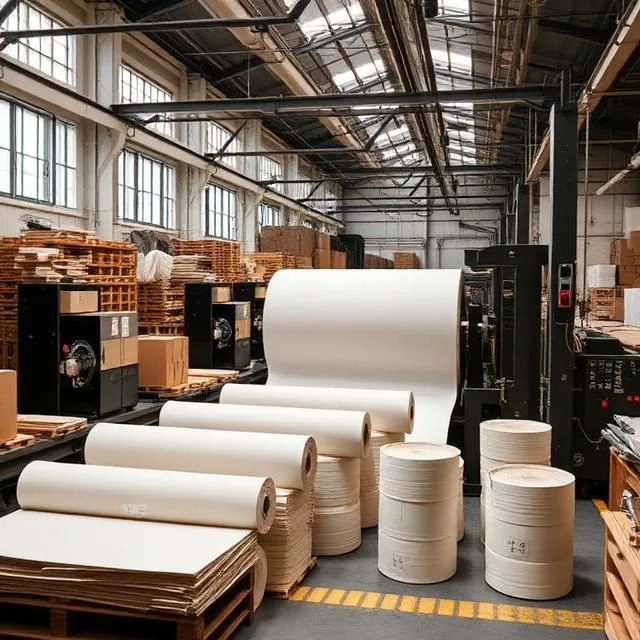
Paper mills don't always sell small quantities. For certain projects, factories need to purchase coated paper, kraft paper, tissue paper, or specialty paper grades — and sometimes the minimum quantity required by the paper mill already exceeds the customer's order. A packaging paper factory may not be able to purchase 500 kg if the paper supplier only sells rolls above a certain size. As a result, MOQ is often connected to upstream material requirements that the buyer never sees.
Custom Colors Can Increase MOQ
This is another point buyers rarely consider. A stock paper color is relatively easy to produce. A custom color often means separate ink mixing, additional testing, color approval procedures, and production adjustments. When a customer wants a specific corporate color — common with luxury retail brands, cosmetic packaging, jewelry packaging, and premium gift packaging — the factory needs enough volume to justify those preparation costs.
At our Dongguan factory, a custom Pantone requires an ink technologist to hand-mix and test 3-5 iterations before achieving a match within Delta E 2.0. That's roughly 2 hours of specialist lab time, regardless of whether you order 5,000 or 50,000 sheets.
Why Large Orders Usually Cost Less Per Unit
Many buyers compare quotations without understanding what affects pricing. Consider two orders: 5,000 sheets versus 50,000 sheets. The factory may spend almost the same time preparing both jobs. The difference is that setup costs can be spread across more units in a larger order.
This is why unit prices often drop significantly as volume increases. From the manufacturing side, larger production runs are simply more efficient — the presses run at stable speeds, ink viscosity stays consistent, and changeover downtime is minimized.
The Difference Between Stock Designs and Custom Designs
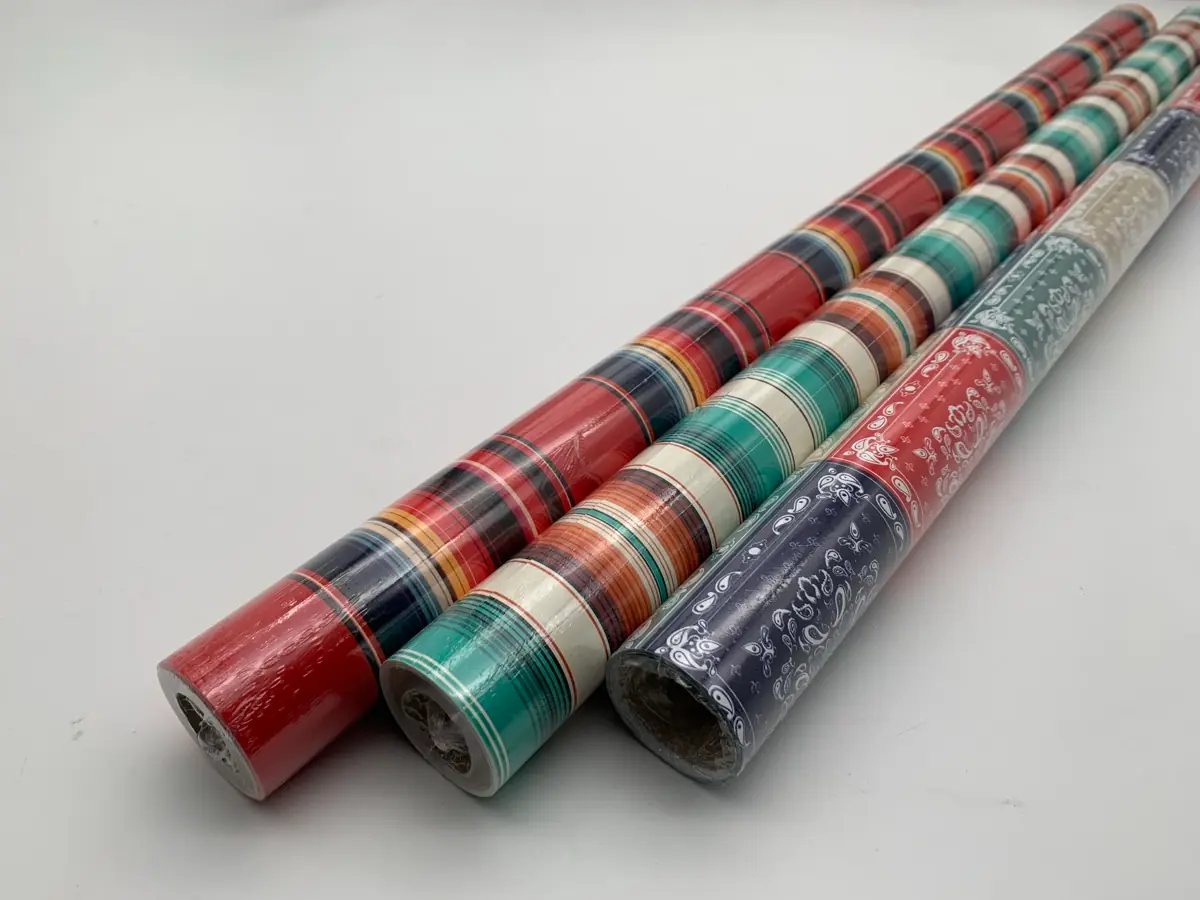
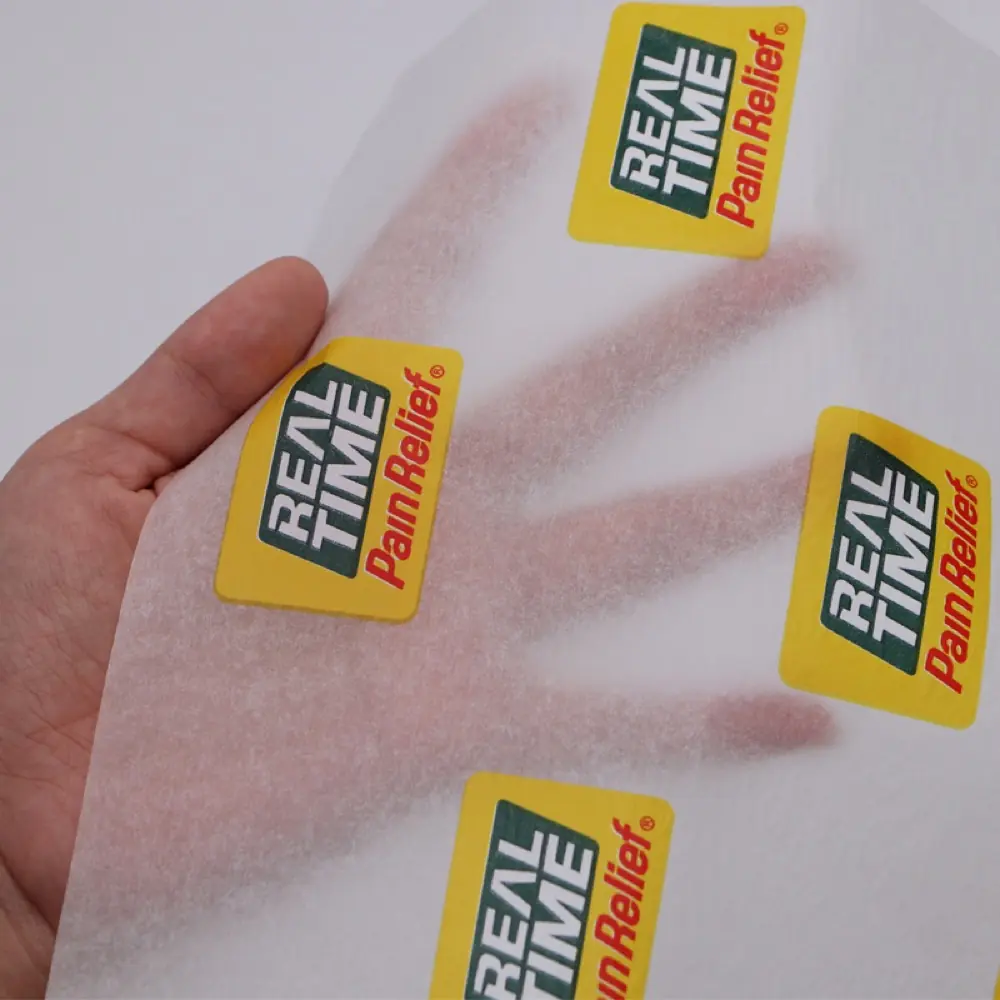
If you need packaging urgently or in small quantities, stock designs may be a better option. Factories often have existing tissue paper colors, wrapping paper patterns, and packaging paper options — no new setup required. Custom printing is different. Every new design becomes a separate production project with its own setup, plates, and quality checks.
That is why custom orders usually have higher MOQs than standard products.
What Experienced Buyers Usually Do
Customers who regularly purchase gift wrapping paper tend to approach MOQ differently. Instead of looking only at the current order, they consider future usage. For example: if annual consumption is expected to reach 100,000 sheets, producing 50,000 sheets at a time may actually be more economical than several smaller batches. This reduces setup costs, production interruptions, and freight costs.
Many mature brands plan packaging purchases several months in advance for this reason.
When a Lower MOQ Makes Sense
Not every project requires a large order. Lower MOQs are reasonable for market testing (trying a new design before committing), seasonal products (holiday campaigns with limited demand), and new brands (businesses still validating product-market fit). In these cases, buyers should discuss options openly with the manufacturer. Sometimes alternative paper grades or printing methods can help reduce minimums — we've successfully started brands on flexo at 500 sheets before scaling to gravure.
What We Recommend Before Requesting a Quotation
To get more accurate pricing and MOQ information, buyers should prepare: paper type (tissue, coated wrapping, kraft), finished sheet size or roll size, printing requirements (number of colors and design complexity), and estimated annual usage. The more information a factory receives, the easier it becomes to recommend an economical solution. Annual usage, in particular, is often more useful than discussing a single order quantity.
What We Have Learned From Packaging Projects
One thing we've learned over the years: MOQ discussions are rarely about paper. They are usually about planning. When customers understand how production works, conversations become much easier. The most successful projects are often those where buyers and Wise Packaging work together from the beginning rather than focusing only on minimum quantities.
Good packaging isn't about obtaining the lowest price — it's about finding the balance between branding, quality, production efficiency, and inventory management.
Conclusion
MOQ is one of the most misunderstood topics in custom wrapping paper production. From a buyer's perspective, it may seem like an obstacle. From a factory's perspective, it reflects real production costs, material requirements, and manufacturing efficiency. Understanding how MOQ works allows businesses to make smarter packaging decisions and avoid unnecessary costs.
Sales Manager at WiseInco · 15+ years in packaging paper industry
Helping global brands source FSC-certified gift wrapping, tissue, kraft, and greaseproof paper from our 50,000 m² factory in Dongguan, China. 5,000+ containers exported to 30+ countries annually.