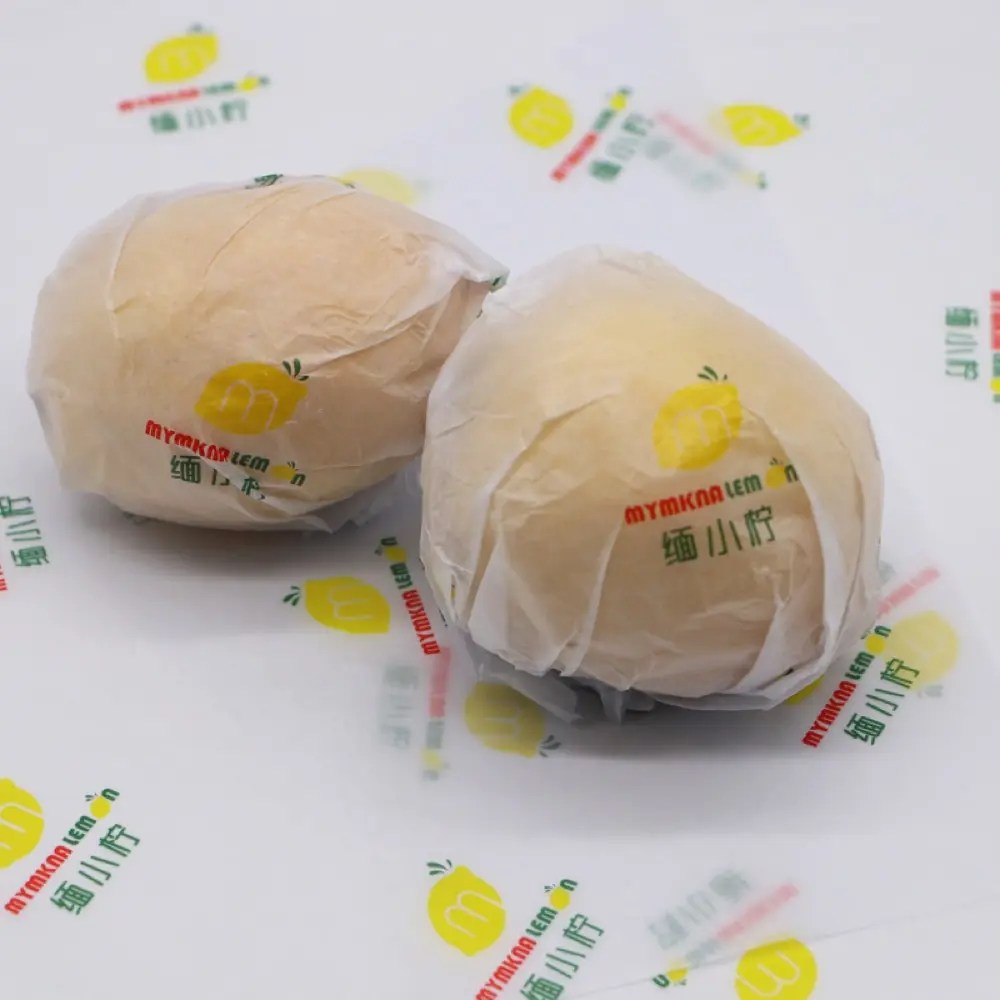
How Brands Actually Use Colored Tissue Paper: What We See From Packaging Projects
When customers inquire about colored tissue paper, the first discussion is rarely about paper specifications. Most conversations start with packaging — a gift box launch, a premium unboxing upgrade, a cosmetic brand refresh. Someone on the marketing team has decided plain white tissue no longer reflects their brand. At that point, colored tissue paper enters the conversation. After years of packaging projects, we've noticed customers rarely buy colored tissue paper because they need paper — they buy it for presentation. Understanding that difference leads to better packaging decisions.
TL;DR
When customers inquire about colored tissue paper, the first discussion is rarely about paper specifications. Most conversations start with packaging — a gift box launch, a premium unboxing upgrade, a cosmetic brand refresh.
The Most Common Use Is Still Gift Packaging
One application appears repeatedly across different industries: gift packaging. Many products are packed in gift boxes, mailer boxes, or rigid boxes where the tissue paper's role isn't protection — it's presentation. A simple change from white tissue to a brand color can completely alter the feeling of the packaging. We've seen this with cosmetic brands, jewelry brands, boutique retailers, and seasonal gift products.
The product inside stays the same. The perceived value often changes.
A Project Where Color Beat Printing
One project stands out because the customer originally spent most of the discussion on printing — custom logos, repeating patterns, detailed artwork. After reviewing mockups and samples, the final solution was surprisingly simple: solid-colored tissue paper with no printed logo. The brand color itself became the identifier. The result was cleaner, easier to produce, and more consistent across different packaging formats.
Sometimes color has more impact than printing.
E-commerce Brands Use Tissue Paper Differently
Retail and e-commerce packaging have different priorities. In physical stores, customers see displays, product packaging, and store branding before purchasing. Online businesses have fewer touchpoints — the package delivery often becomes the first physical interaction with the brand. Many e-commerce businesses use colored tissue paper as part of the unboxing experience.
The goal isn't luxury — it's recognition. Customers should instantly know which brand the package came from.
What Customers Usually Get Wrong
One misunderstanding: treating color selection purely as a design decision. Many customers choose colors on a screen, only to discover tissue paper behaves differently than digital artwork. Tissue is lightweight, absorbs ink differently, and light passes through it differently than coated materials. Colors may appear different than expected.
Physical samples answer questions that screens cannot.
Printed vs Colored Tissue Paper
Customers frequently ask whether to choose printed or plain colored tissue. Colored tissue works well when brand colors are strong, packaging design is established, and simplicity is preferred. Printed tissue works when branding needs more visibility, packaging is simple, and logo recognition is important. Some brands combine both approaches.
The best solution depends on the overall customer experience.
What We Have Learned
After working with many custom tissue paper orders, one lesson appears consistently: customers rarely remember the GSM or technical spec. They remember how the package looked when opened. Tissue paper is a relatively small packaging component, but it sits directly between the customer and the product — making it surprisingly influential.
At Wise Packaging, discussions about colored tissue paper start with branding, not paper grades. We ask: what product is being packaged? Who is the target? Retail or e-commerce?
Is the color part of an existing brand system? The right recommendation usually has more to do with packaging goals than paper specs.
Conclusion
Colored tissue paper is often viewed as a minor detail. In practice, it plays a larger role than expected. Whether used in gift boxes, retail packaging, subscription boxes, or e-commerce shipments, the right color can strengthen brand recognition and improve presentation. The most successful projects begin not with a paper spec, but with a discussion about the experience the customer wants to create.
Frequently Asked Questions
What is colored tissue paper used for?
Colored tissue paper is commonly used in gift packaging, retail packaging, apparel, jewelry, and e-commerce shipments.
Should I choose printed or colored tissue paper?
It depends on your branding strategy. Some brands rely on printed logos, others use recognizable brand colors alone.
Can tissue paper colors be customized?
Yes. Many manufacturers can provide custom colors matched to specific brand guidelines or Pantone references.
Why should I review tissue paper samples before ordering?
Colors on actual tissue paper appear differently than on a screen. Physical samples are essential for approval.
Does colored tissue paper increase perceived product value?
In many projects, color selection helps create stronger presentation and a more memorable unboxing experience.
What industries use colored tissue paper most often?
Fashion, cosmetics, jewelry, gift packaging, subscription boxes, and boutique retail brands are among the most common.
Building a packaging experience, not just a box?
Browse more packaging insights and real brand examples on the blog.
Sales Manager at WiseInco · 15+ years in packaging paper industry
Helping global brands source FSC-certified gift wrapping, tissue, kraft, and greaseproof paper from our 50,000 m² factory in Dongguan, China. 5,000+ containers exported to 30+ countries annually.