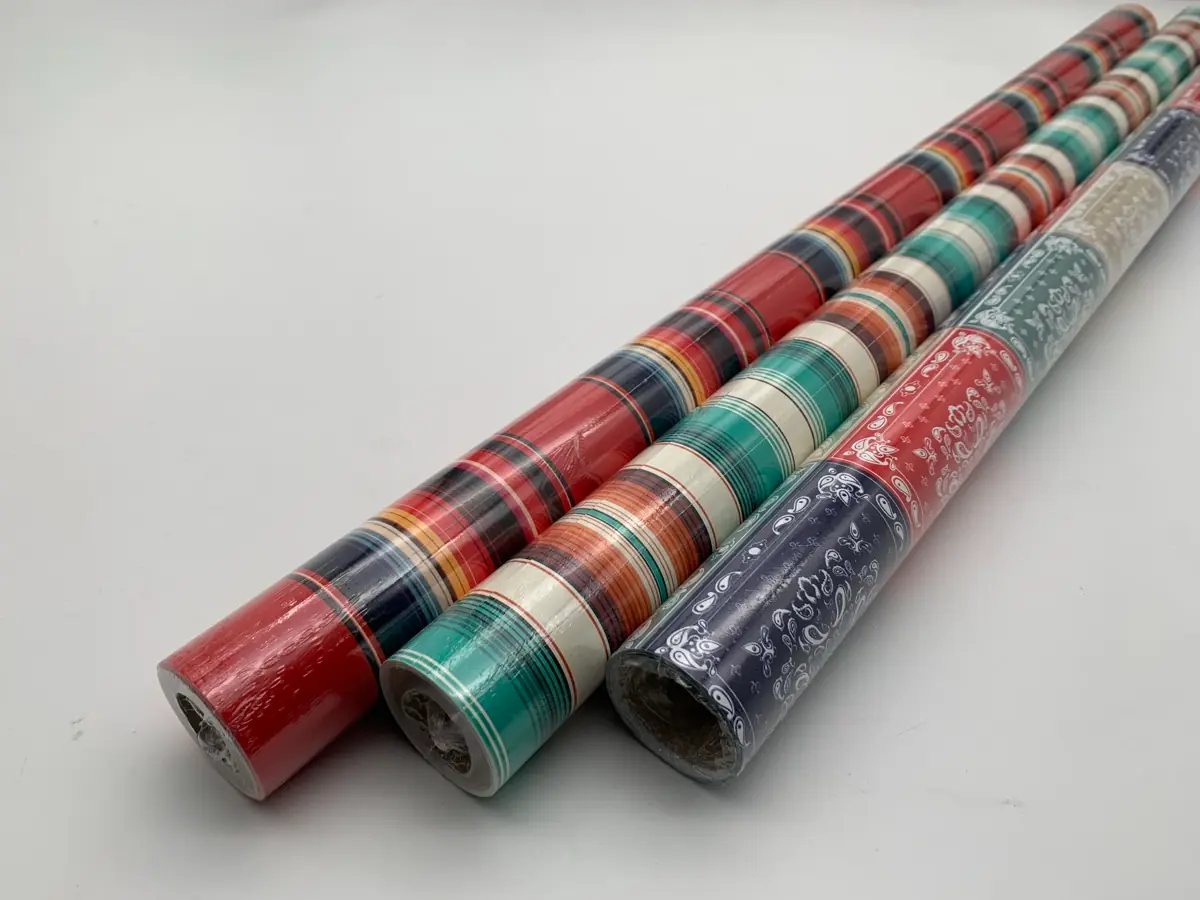
Seasonal Gift Wrapping Paper Trends Retail Brands Are Following
Seasonal packaging has always been important for retail brands. However, in recent years, we've noticed a shift in how companies approach seasonal gift wrapping paper. Previously, many brands created completely new packaging designs for every holiday. Today, more businesses are looking for a balance between seasonal appeal, brand consistency, and operational efficiency. Instead of reinventing their packaging several times a year, many retailers are developing flexible seasonal wrapping paper programs that can support different campaigns while maintaining a recognizable brand identity.
TL;DR
Seasonal packaging has always been important for retail brands. However, in recent years, we've noticed a shift in how companies approach seasonal gift wrapping paper.
Why Seasonal Packaging Still Matters
Certain periods of the year naturally create higher demand for gift packaging. Examples include Christmas, Valentine's Day, Mother's Day, Father's Day, Lunar New Year, and year-end corporate gifting. During these periods, customers often place greater emphasis on presentation. As a result, gift wrapping paper becomes more than a packaging material — it becomes part of the product experience.
Trend #1: Brand Colors With Seasonal Elements
One of the most common approaches we see is combining brand identity with seasonal graphics. Rather than abandoning brand colors for every campaign, many companies introduce seasonal icons, limited-edition patterns, and holiday-themed illustrations while maintaining their established visual identity. This helps customers recognize the brand immediately, even during seasonal promotions.
Trend #2: Limited-Edition Wrapping Paper Collections
Many retail brands now treat wrapping paper as a seasonal collection. For example: Christmas edition designs, Valentine's collections, spring-themed packaging, and holiday gifting programs. These limited-edition releases create excitement while allowing brands to introduce fresh visuals without permanently changing their packaging systems.
Trend #3: Simpler Holiday Designs
Several years ago, seasonal wrapping paper often featured large, highly detailed graphics. Recently, we've seen growing interest in minimal holiday patterns, subtle seasonal colors, clean layouts, and small repeating motifs. This trend is especially popular among premium and lifestyle brands. The result feels more modern and often works across a wider range of products.
A Pattern We've Seen Repeatedly
A retailer develops highly specific holiday packaging. The campaign performs well during the season. After the holiday ends, however, unused inventory remains. This experience has encouraged many brands to develop more flexible seasonal designs.
Instead of creating packaging that only works for a few weeks, they create designs that can remain relevant throughout a broader period. This approach often improves inventory management while still supporting seasonal marketing.
Trend #4: Seasonal Colors Without Major Redesigns
Many companies now update wrapping paper through color changes rather than complete artwork changes. Examples include: Christmas — deep green, gold, red. Valentine's Day — soft pink, burgundy, neutral tones. Spring collections — pastel colors, floral-inspired palettes.
This allows brands to refresh packaging while maintaining familiarity.
Trend #5: Packaging Designed For Social Sharing
Social media continues to influence packaging trends. Many brands now consider how wrapping paper appears in unboxing photos, gift-opening videos, and customer-generated content. Interestingly, packaging that photographs well is not always the most complex. Clean patterns and strong brand elements often perform better than crowded designs.
Why Retail Brands Think Beyond One Season
Experienced retail packaging teams often ask: Can this design support future campaigns? Rather than creating entirely separate packaging systems, they frequently develop seasonal variations built around a core visual identity. This strategy offers several advantages: better brand recognition, simplified inventory management, greater packaging consistency, and easier planning.
Common Seasonal Packaging Mistakes
In working with retail brands, we've observed several recurring seasonal packaging mistakes.
Creating Designs That Are Too Specific - Highly seasonal artwork can become difficult to use after the promotion ends.
Ignoring Inventory Implications - Seasonal packaging should be planned alongside inventory forecasts.
Changing Branding Too Dramatically - Customers should still recognize the brand.
Waiting Too Long To Plan - Seasonal projects usually benefit from earlier artwork and production discussions.
What We Have Learned From Seasonal Packaging Projects
After producing wrapping paper for holiday campaigns, retail promotions, and gifting programs, one lesson appears repeatedly. The best seasonal wrapping paper designs do two things well: they capture the spirit of the season, and they remain connected to the brand. When those two objectives work together, the packaging often becomes much more effective.
Our Approach At Wise Packaging
At Wise Packaging, seasonal wrapping paper projects often begin several months before the actual campaign. We typically discuss promotional goals, brand requirements, product categories, inventory planning, and artwork flexibility. These conversations help customers create seasonal packaging that supports both marketing objectives and long-term packaging consistency. As a Gift Wrapping Paper Manufacturer, we help retail brands build flexible seasonal programs.
Conclusion
Seasonal gift wrapping paper remains an important packaging tool for retail brands, but the way companies use it is evolving. Rather than creating entirely separate packaging systems for every holiday, many brands are developing flexible seasonal programs that combine holiday relevance with strong brand recognition. From what we've seen, the most successful seasonal packaging projects are not just memorable during the campaign — they continue strengthening the brand long after the holiday ends.
Frequently Asked Questions
Why do retail brands use seasonal gift wrapping paper?
Seasonal wrapping paper helps support promotions, gifting occasions, and holiday marketing campaigns.
What are the most popular seasonal packaging periods?
Christmas, Valentine's Day, Mother's Day, Lunar New Year, and year-end gifting programs are among the most common.
Are minimalist seasonal designs becoming more popular?
Yes. Many brands are moving toward cleaner and more flexible seasonal packaging concepts.
How do brands maintain consistency with seasonal packaging?
Many companies retain core brand colors and visual identity while introducing seasonal graphics or accents.
Should seasonal wrapping paper be planned early?
Yes. Early planning helps support artwork development, inventory forecasting, and production scheduling.
What makes a successful seasonal wrapping paper design?
Strong seasonal relevance, clear branding, flexibility, and long-term usability are common characteristics.
Building a packaging experience, not just a box?
Browse more packaging insights and real brand examples on the blog.
Sales Manager at WiseInco · 15+ years in packaging paper industry
Helping global brands source FSC-certified gift wrapping, tissue, kraft, and greaseproof paper from our 50,000 m² factory in Dongguan, China. 5,000+ containers exported to 30+ countries annually.